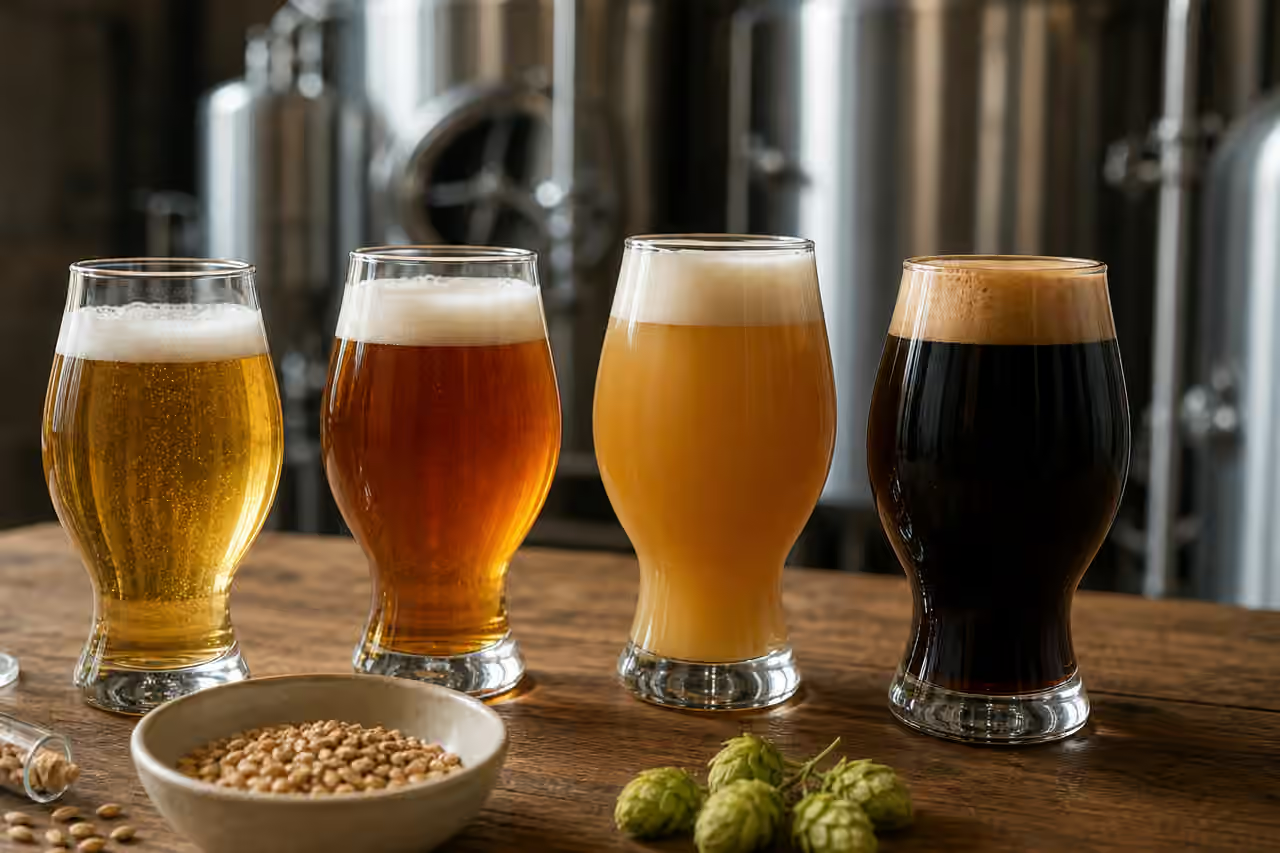
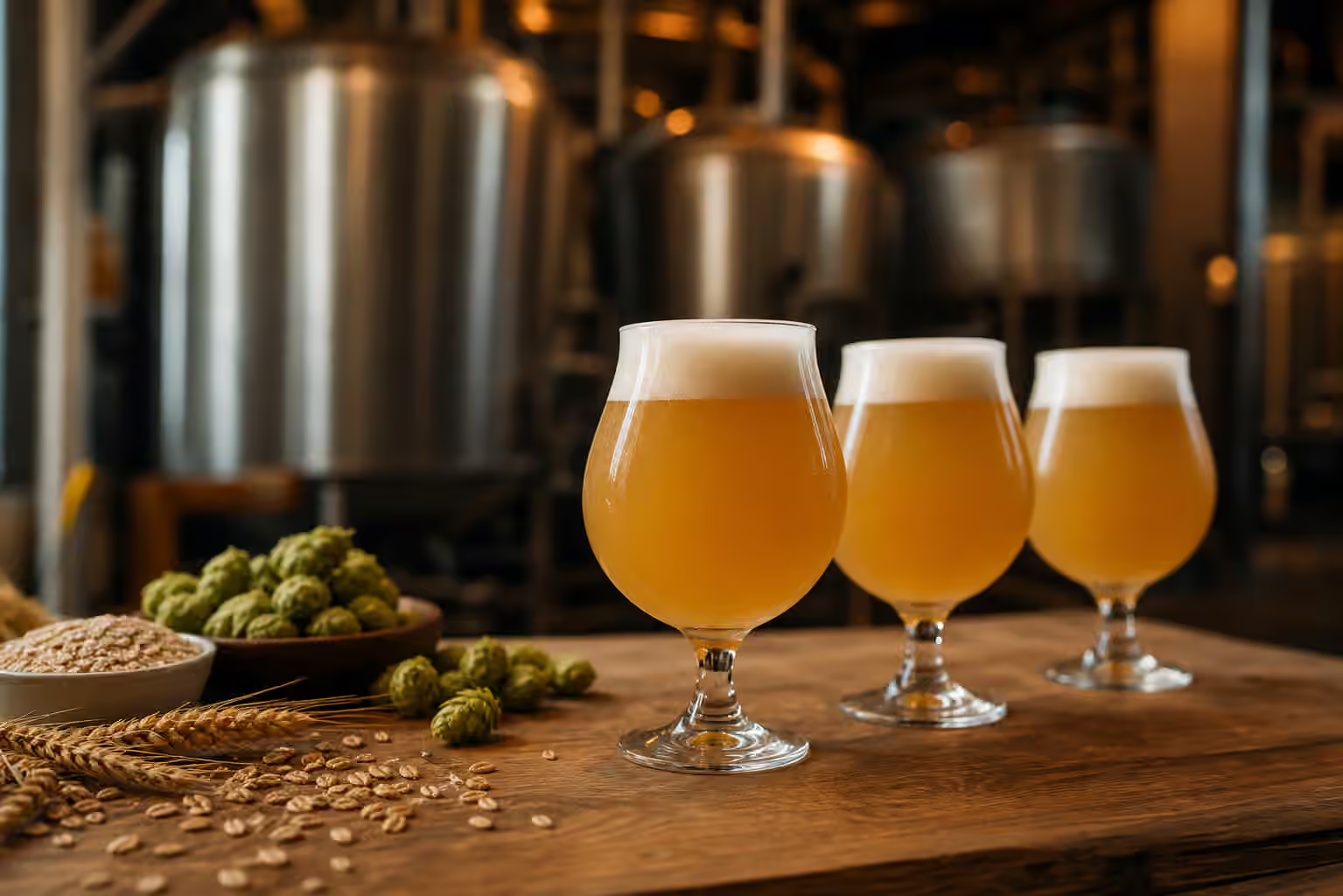
Bitterness is one of the first beer flavors people notice and one of the easiest to misread. It can make a pilsner feel clean, keep an amber ale from becoming sticky, sharpen a West Coast IPA into focus, or make a rich stout finish dry instead of sweet. It can also seem harsh, metallic, grassy, rough, or tiring when it is out of balance. The same word covers a lot of experiences, so it helps to separate the number on the label from the way bitterness actually lands in the glass.
IBU is useful, but it is not a promise. A beer labeled 60 IBU does not automatically taste twice as bitter as one labeled 30 IBU. A pale, dry lager with moderate bitterness may feel sharper than a stronger ale with a bigger number, because sweetness, body, carbonation, water chemistry, alcohol, temperature, freshness, and food all change perception. The better habit is to treat IBU as one clue and then let the beer explain itself.
If you already use Beer Tasting 101 as a tasting routine, bitterness belongs in every stage of that process. You may smell hop aroma before you taste bitterness. You may feel bitterness most clearly at the swallow. You may notice it again in the finish, long after the malt and carbonation have moved on. Once you start paying attention to where bitterness appears and how it fades, it becomes less mysterious and much more useful.
What IBU Measures
IBU stands for International Bitterness Units. In practical beer language, it describes the concentration of bitter compounds that come mostly from hops after they are boiled. During the boil, hop alpha acids change into bitter compounds that dissolve into the wort. Brewers can estimate or measure that bitterness, and the result is the IBU number sometimes printed on cans, bottles, tap lists, or recipe sheets.
That number matters because it tells you something real about the beer’s construction. A 12 IBU helles and a 70 IBU double IPA were not built with the same bittering target. One is meant to feel gentle and malt rounded. The other is meant to carry enough hop structure to stand up to more malt, alcohol, aroma, and intensity. The number gives you a map of the recipe.
The problem begins when the map is mistaken for the terrain. IBU does not measure how sweet the beer is, how dry it finishes, how much hop aroma it has, how much carbonation lifts the bitterness, or whether the brewer used water minerals that make the finish seem crisp or rounded. It also does not tell you whether the bitterness is clean, coarse, lingering, quick, resinous, herbal, roasty, or tannic. For that, you still need to taste.
The Understanding Hops guide explains the brewing side of hop timing and alpha acids in more detail. For drinking, the main lesson is simpler: bitterness usually comes from hops, but hop character is larger than bitterness. Hops can smell like citrus, pine, flowers, tea, herbs, tropical fruit, grass, or resin without always making the beer taste more bitter.
Perceived Bitterness Is A Balance
Perceived bitterness is the bitterness you actually feel. It is shaped by the whole beer, not just the hop addition. Malt sweetness softens bitterness. Dryness exposes it. Carbonation sharpens it. Alcohol can either warm the finish or make bitterness seem rougher. Roast can add its own bitter edge. Acidity can make bitterness seem brighter. Serving temperature changes how aroma, sweetness, and bite arrive.
This is why two beers with the same IBU can taste completely different. Imagine a dry, clear pilsner with firm carbonation, pale malt, and a crisp finish. Its bitterness may seem direct even if the number is moderate. Now imagine a strong amber ale with more residual sweetness, fuller body, and caramel malt. It may carry the same measured bitterness but feel softer because the malt gives the tongue something rounder to hold.
The Beer Strength, Body, and Balance guide is useful here because bitterness rarely acts alone. A beer can be strong but not harsh, bitter but not aggressive, sweet but not cloying, or light but still structured. Balance does not mean all flavors are equal. It means the parts support the job the beer is trying to do.
Malt is the most obvious counterweight. Pale malt can make bitterness feel cracker-like and clean. Toasted malt can make it seem nutty or dry. Caramel malt can soften it with sweetness, though too much can make a hoppy beer feel heavy. Roasted malt can add coffee-like bitterness of its own, which is why stout bitterness does not always feel like IPA bitterness. Understanding Malt gives that grain side more attention, but the tasting point is immediate: when bitterness feels pleasant, malt is often helping.
Why Hoppy Does Not Always Mean Bitter
Modern beer has made this distinction especially important. Many drinkers use hoppy to mean bitter, but hop aroma and hop bitterness are not the same thing. A beer can smell intensely hoppy and still taste soft. A hazy IPA can carry huge tropical fruit aroma from late hops and dry hopping while finishing with lower perceived bitterness than a clear, dry West Coast IPA. A Czech-style pilsner can smell delicate and still have a firm bitter snap because its bitterness is built into the boil and supported by a dry finish.
Timing matters. Hops boiled for a long time contribute more bitterness and less aroma. Hops added late or after fermentation contribute more aroma and flavor while adding less traditional bitterness. Dry hopping can add perfume, fruit, resin, grass, or tea-like character without creating the same boiled-hop bite. It can also add polyphenol texture, which some drinkers perceive as dryness, roughness, or a green edge. That sensation may be confused with bitterness even when it is not the same chemical event.
Freshness complicates the picture again. A fresh hop-forward beer can smell bright and taste lively. As it ages, hop aroma fades, bitterness can seem duller or more abrasive, and oxidation can add papery sweetness or stale edges. That does not mean every older beer becomes more bitter. It means the balance changes. How to Buy Beer treats dates as practical shopping information, and Beer Off-Flavors explains why tired hop character can make a good recipe taste muted.
The Shape Of Bitterness
Good tasting notes describe bitterness by shape, not just volume. Ask when it appears. Some bitterness arrives quickly on the first sip, then clears. Some builds slowly and lingers. Some is smooth and rounded. Some is sharp at the sides of the tongue. Some feels dry at the back of the throat. Some seems herbal, peppery, resinous, grapefruit-like, tea-like, roasty, or burnt.
These differences matter more than sounding precise. A pilsner with a clean, quick, firm finish can be refreshing because bitterness resets the palate. A pale ale with citrus bitterness and enough malt can feel balanced through a full glass. A double IPA with lingering resin and not enough dryness can become tiring. A stout with roast bitterness can be beautiful when it tastes like coffee or dark chocolate, and unpleasant when it turns acrid.
Water chemistry can change this shape. Sulfate tends to make hop bitterness seem drier and more defined, while chloride can make malt and body seem rounder. Brewers think about this carefully, especially in pale ales, IPAs, and lagers. You do not need to manage a brewing spreadsheet to taste the effect. If one hoppy beer feels crisp and another feels soft despite similar intensity, water may be one reason. The Understanding Brewing Water guide goes deeper into that quiet but important part of beer structure.
Bitterness And Food
Bitterness changes at the table. Salty food can soften bitterness and make a crisp beer seem even more refreshing. Fat can make bitterness useful because it cuts through richness and resets the mouth. Heat from spicy food can make bitterness seem sharper, especially when alcohol is also high. Sweet food can make a bitter beer seem drier by contrast, while a sweet beer can make bitter food seem more severe.
This is why a bitter beer that seems intense by itself may work beautifully with the right meal. A firm pilsner can lift fried food. A pale ale can handle burgers, roasted chicken, or sharp cheese without dominating them. A dry stout can meet oysters, charred vegetables, or grilled meat through roast and finish. An aggressively bitter IPA can become too much with chile heat, but it may be excellent with salty, fatty food that gives the bitterness a job.
The Beer and Food Pairing guide gives broader pairing principles. For bitterness, the practical question is whether the food gives the beer somewhere to go. Bitterness without context can feel like a wall. Bitterness with salt, fat, roast, char, or sweetness can become structure.
How To Use IBU When Choosing Beer
Use IBU as an orientation point, especially when comparing beers within the same family. A pale lager at 15 IBU and a pilsner at 38 IBU will probably not finish the same way. An IPA at 35 IBU and another at 70 IBU may signal different design choices, though sweetness, haze, dry hopping, and body can still reverse your expectations. Within a style, the number can help. Across styles, it becomes less reliable.
If you dislike bitterness, do not rely on IBU alone. Look for words that suggest softness, malt, wheat, haze, fruit, or low bitterness, then check ABV and freshness. If you enjoy bitterness, look for words that suggest dry, crisp, West Coast, pilsner, bitter, pale ale, or resinous, but still pay attention to balance. A beer can be bitter in a way that is clean and satisfying, or bitter in a way that feels blunt.
The best learning method is comparison. Put a pilsner beside a helles, a West Coast IPA beside a hazy IPA, or a dry stout beside a sweeter stout. Do not try to decide which one is better right away. Notice where bitterness begins, what balances it, how long it lasts, and whether you want the next sip. That last question matters. Bitterness is not there to prove endurance. It is there to shape the beer.
Once you taste bitterness this way, the IBU number becomes helpful again because you stop asking it to do too much. It can tell you what the brewer aimed for, but your palate tells you how the beer arrived. Good bitterness is not simply high or low. It is bitterness with purpose, joined to malt, yeast, water, carbonation, freshness, food, and finish in a way that makes the glass clearer sip by sip.