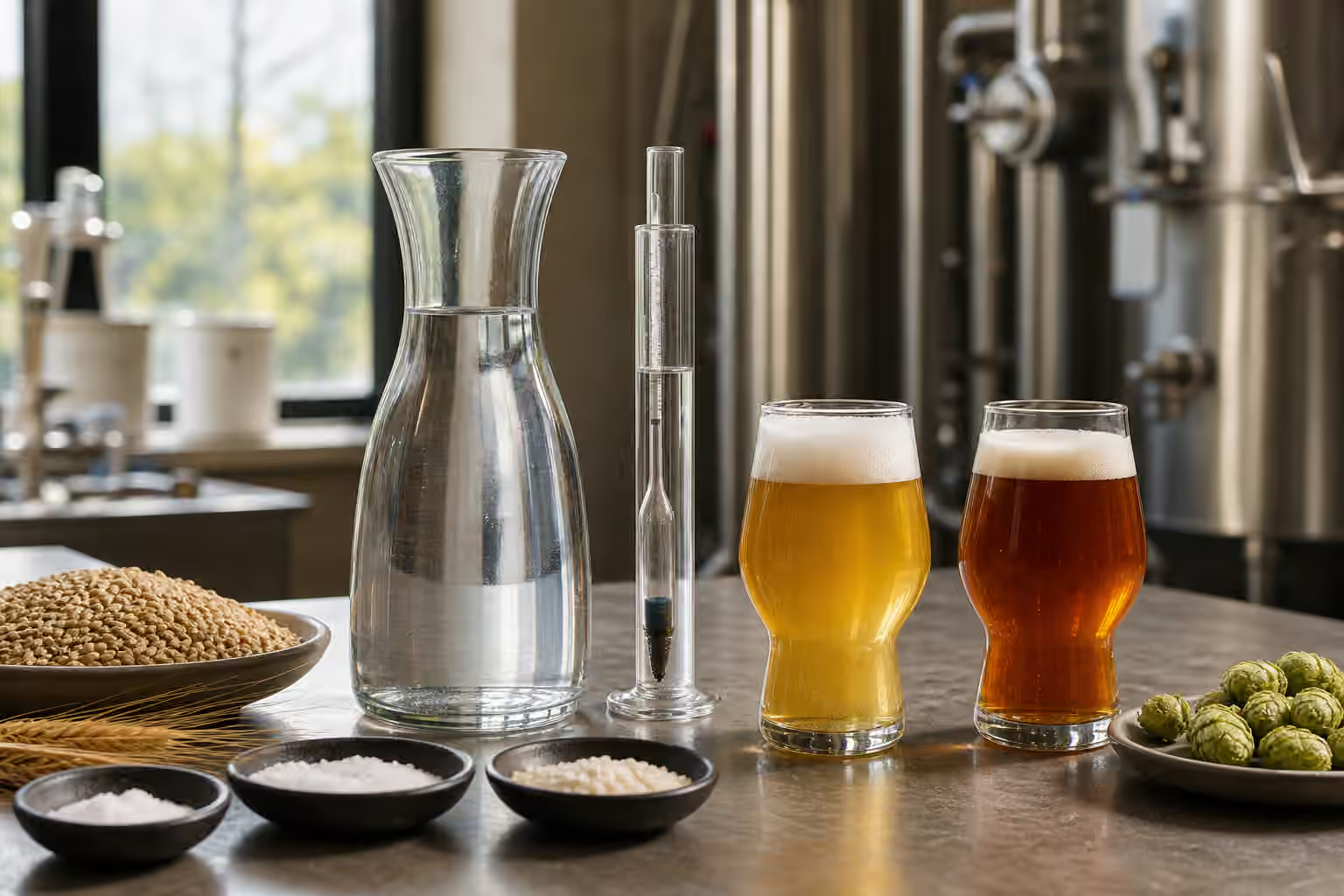
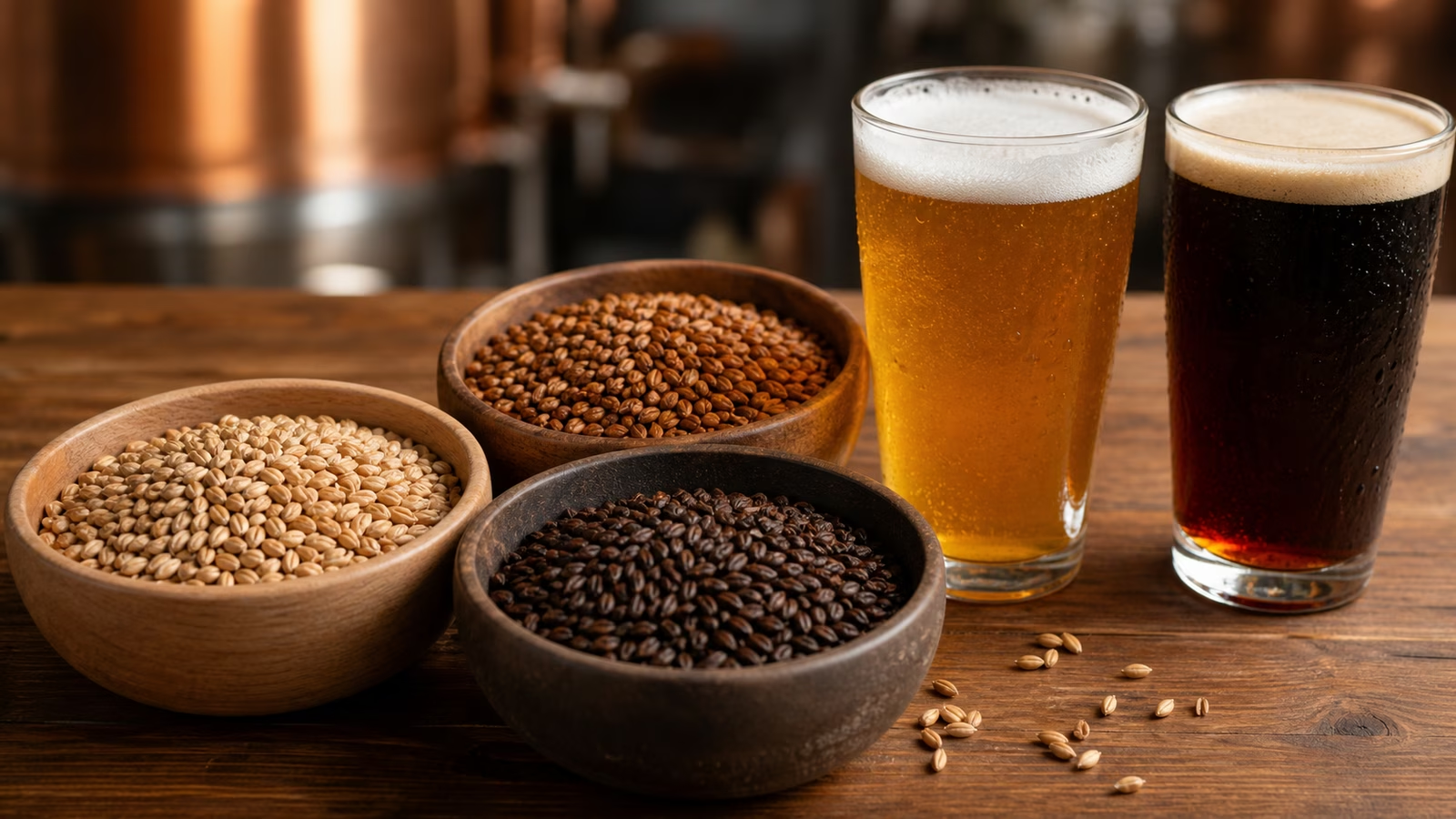
Adjunct is one of those beer words that can sound more judgmental than it needs to. Some drinkers hear it and think of cheap filler. Some brewers use it plainly to mean any fermentable or flavor ingredient outside the central malt bill. Both meanings have history behind them, but the second one is more useful when you are trying to understand the glass in front of you. Beer has always been more flexible than the neat four-ingredient formula suggests. Barley, hops, yeast, and water are the foundation, but wheat, oats, rye, rice, corn, sugar, fruit, spices, herbs, coffee, cacao, honey, and many other additions have shaped beer for centuries.
The point is not that every extra ingredient makes beer better. It is that extra ingredients have jobs. Some lighten body. Some add softness. Some deepen malt character. Some bring aroma that grain and hops cannot provide on their own. Some are traditional to a style, while others are experiments that only work when the base beer is strong enough to carry them. If you already know the broad ingredient roles from Understanding Malt , Understanding Hops , Understanding Yeast , and Understanding Brewing Water , adjuncts are the next layer: not a replacement for structure, but a way to adjust it.
What Adjunct Really Means
In brewing, an adjunct is usually an ingredient added alongside malted barley. Some adjuncts are fermentable, meaning yeast can turn their sugars or starch-derived sugars into alcohol and carbon dioxide. Rice, corn, unmalted wheat, oats, rye, plain sugar, honey, maple syrup, and many syrups can all play that role in different ways. Other adjuncts are mostly about flavor, aroma, color, acidity, or texture. Fruit, coffee, cacao nibs, vanilla, spices, herbs, flowers, wood, and citrus peel may contribute some fermentable material, but their main purpose is sensory.
This broad definition helps remove the false divide between serious beer and flavored beer. A Belgian witbier without orange peel and coriander would lose part of its identity. A dry Irish-style stout often uses roasted barley, which is unmalted grain. A classic American light lager may use rice or corn for a pale, dry, crisp finish. A hazy IPA often relies on wheat or oats for softness and haze. A strong Belgian ale may use sugar to increase alcohol while keeping the finish dry. None of those choices is automatically lazy. They are recipe decisions.
Adjuncts become a problem when they are used to cover weak brewing or when they sit outside the beer rather than inside it. A fruit beer that tastes like syrup poured into a bland base is not convincing. A coffee stout that smells wonderful but finishes bitter, thin, and ashy is out of balance. A spiced ale that tastes like a scented candle has lost the grain underneath. The better question is not whether an adjunct is present. It is whether the ingredient belongs to the beer’s structure.
Grains That Change Texture
Many adjuncts are grains, and grain adjuncts are often less dramatic than fruit or spice. Their work happens in body, foam, dryness, haze, and finish. Wheat can add protein, foam stability, a pale bread-dough flavor, and a soft grain note. In a hefeweizen or witbier, wheat is central rather than decorative. In a pale ale or saison, a smaller amount can lift foam and lighten the malt profile. Wheat can also make hop aroma seem brighter because it gives the beer a clean, pale stage.
Oats are associated with softness. They can make a beer feel rounder, silkier, and fuller without necessarily making it sweeter. That is one reason they appear so often in hazy pale ales and IPAs, where brewers want juicy hop aroma and a gentler bitterness. Oats can also support stout, giving roast a smoother platform. Too much oat character, or poorly handled oats, can make a beer feel gummy or heavy, so restraint still matters.
Rye brings a different kind of texture. It can taste spicy, dry, earthy, and slightly grainy, with a slickness that stands out even at modest levels. A rye pale ale may feel sharper and more rustic than the same recipe built only on barley. A rye saison can make peppery yeast character seem more direct. Rye is not hot spice like chili or black pepper, but it gives an edge that can make the finish feel longer.
Rice and corn are often misunderstood because industrial beer made them famous. Used thoughtfully, they can make beer paler, drier, lighter-bodied, and highly drinkable. Rice tends to be very neutral, helping a lager finish crisp without adding much aroma. Corn can add a gentle sweetness or cereal note depending on the form and amount. In a delicate lager, those choices can be part of precision rather than cost-cutting. The difference is whether the beer still has balance, clean fermentation, and enough flavor to feel intentional.
Sugar, Honey, And Dryness
Sugar seems as if it should make beer sweeter, but fermentation changes that logic. Simple sugars are often highly fermentable, so yeast can consume them and leave the beer drier than a comparable beer built only from malt. Belgian golden strong ales, tripels, and some saisons use sugar this way. The alcohol rises, but the body stays lighter than the strength suggests. If you have read Beer Strength, Body, and Balance , this is a perfect example of why ABV and heaviness are related but not identical.
Honey behaves differently depending on when and how it is used. Much of its fermentable sugar can disappear, leaving delicate floral, herbal, or waxy traces rather than obvious sweetness. Maple syrup can vanish more than people expect too, especially if it ferments thoroughly. Molasses, dark sugar, and candi syrups can leave deeper notes of rum, raisin, caramel, or burnt sugar. These ingredients can be beautiful in strong ales, old ales, stouts, and winter beers, but they need enough bitterness, roast, acidity, or dryness to keep them from becoming sticky.
The tasting clue is the finish. If a sugar adjunct is working well, the beer should feel shaped by it rather than burdened by it. A strong golden ale may smell fruity and spicy, then finish dry and warming. A dark strong ale may show dried fruit and caramel without tasting like syrup. A honey beer may suggest wildflower or hay, then clear the palate. When sugar is mishandled, the beer can taste hot, thin, solvent-like, or cloying, and those problems belong closer to Beer Off-Flavors than to style preference.
Fruit Needs A Beer Beneath It
Fruit beer is easiest to understand when you separate fruit aroma from fruit sweetness. Real fermentation often strips away much of the sugar that makes fruit taste round in the hand. What remains can be acidity, skin, seed, color, perfume, tannin, and a dry impression of the fruit. Cherry in a mixed-fermentation beer may taste like tart skin and almond-like pit character rather than pie filling. Raspberry can taste vivid but sharply seedy. Peach can be aromatic and delicate, disappearing if the base beer is too loud.
Modern fruit beers cover a wide range. Some are clean, bright, and refreshing, built around wheat beer, blonde ale, saison, or kettle-soured bases. Some are rich pastry-inspired stouts where fruit sits beside chocolate, vanilla, lactose, or barrel character. Some belong to the sour and wild family, where fruit referments with microbes and becomes part of a slower fermentation picture. The new guide to Sour Beer is especially useful here because acidity changes how fruit reads. A raspberry sour and a raspberry wheat beer may share a fruit, but they do not ask the same thing from it.
Good fruit integration usually feels three-dimensional. The aroma should match the flavor. The fruit should not taste like candy unless the beer is clearly designed around sweetness. The color should make sense without being the only attraction. The base beer should still be visible through the fruit, whether that base is wheat, saison, stout, lager, or sour ale. When fruit overwhelms everything, the drink may be fun, but it becomes harder to judge as beer.
Spice, Herbs, And The Risk Of Volume
Spices and herbs are powerful because small amounts travel far. Coriander and orange peel in witbier can make the beer seem brighter, citrusy, and lightly peppery. Ginger can add heat and lift. Cinnamon, nutmeg, clove, and allspice can make a dark winter ale feel warm and familiar. Chili can sharpen chocolate stout or amber ale, but it can also turn a pint into a dare. Lavender, chamomile, rosemary, spruce tips, and other botanicals can be beautiful when they are quiet and exhausting when they are loud.
The main mistake with spice is treating beer like a spice rack instead of a fermented drink. Malt already brings bread, toast, caramel, roast, and body. Hops may already bring citrus, flowers, pine, herbs, spice, or tropical fruit. Yeast may already bring clove, pepper, banana, stone fruit, or earth. A spice addition has to join that conversation. It should not shout over ingredients that were already speaking.
This is where Beer Tasting 101 becomes practical. Smell first, then taste, then wait for the finish. If the spice is strongest only in aroma and fades cleanly, it may be well judged. If it grows with every sip until you taste nothing else, it may be overdone. If it tastes dusty, medicinal, soapy, or artificial, the problem may be ingredient choice, amount, timing, or extraction.
Coffee, Cacao, And Roast On Roast
Coffee and cacao seem natural in stout and porter because roasted malt already suggests coffee and chocolate. That similarity is useful, but it also creates risk. Add coffee to a beer that already has sharp roast, and the finish can become acrid. Add cacao to a thin beer, and it may smell like chocolate while tasting hollow. Add vanilla or lactose beside them, and the beer can become dessert-like very quickly.
The best examples understand layering. Roasted barley may give dry coffee. Chocolate malt may give cocoa. Actual coffee can add fresh aromatics, berry-like acidity, earth, or roast intensity depending on the beans and handling. Cacao nibs can add bitter chocolate, husk, and a dry tannic edge rather than candy sweetness. Vanilla can round the perception of sweetness without always adding much sugar. In a strong stout, those layers can feel deep and slow. In a lighter beer, they need much more restraint.
Temperature matters with these beers. Served too cold, coffee and cacao may seem muted or harsh. As the beer warms slightly, aroma opens and sweetness becomes more visible. Served too warm, alcohol, roast, and sweetness may crowd the glass. The broader Serving and Storage guide explains the same pattern across styles, but adjunct-heavy dark beer makes the lesson obvious.
How To Read Adjuncts On A Label
A useful label tells you not only what was added, but what kind of beer carries the addition. Orange peel in witbier, lime in a gose, cherries in a barrel-aged sour, oats in a hazy IPA, rice in a lager, cacao in an imperial stout, and rye in a saison all point to different expectations. The base style tells you where the beer begins. The adjunct tells you what was adjusted.
When the label gives only a long string of ingredients, imagine the base beer first. Is it likely pale and crisp, soft and hazy, dark and roasty, tart and dry, strong and warming, or light and refreshing? Then ask whether the additions support that shape. Fruit needs acidity, dryness, or sweetness in the right measure. Spice needs quiet control. Sugar needs fermentation balance. Grain adjuncts need a clean base. Coffee and cacao need enough body and roast harmony.
Adjuncts do not make beer less serious. They make beer more specific. They can turn a lager crisp, a stout plush, a saison rustic, a sour vivid, a strong ale dry, or a wheat beer fragrant. They can also make beer muddled when the brewer forgets the base. The best way to judge them is the same way you judge any beer: look for integration, balance, freshness, and a finish that makes you want another sip. The ingredient may be unusual, but the standard is familiar. A good adjunct beer should still taste like a beer with a reason.