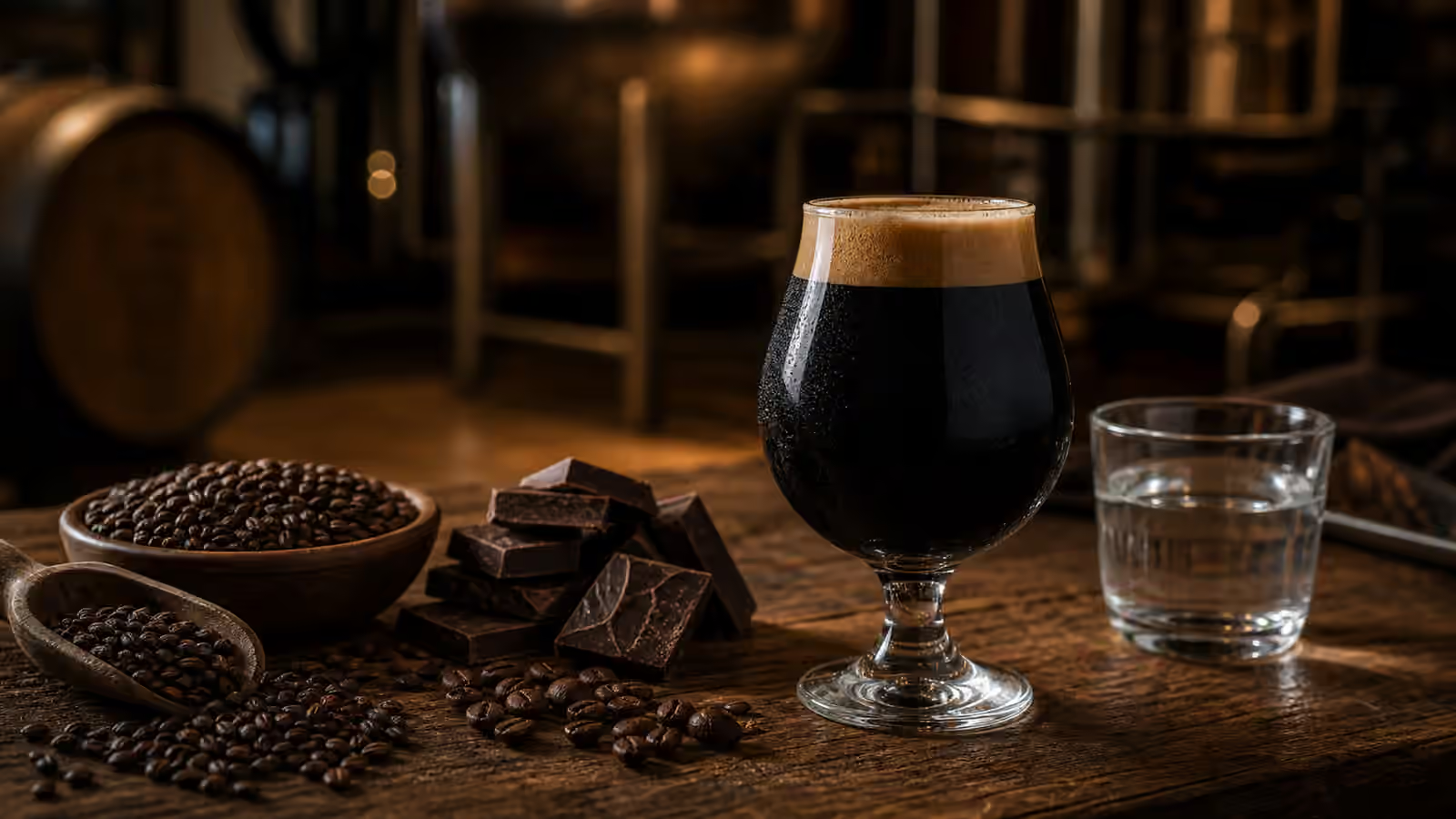
Barrel-aged beer can feel mysterious because the barrel changes the beer without behaving like a normal ingredient. Malt, hops, yeast, and water enter the recipe at clear stages. Fruit, spice, coffee, cacao, and other additions are usually announced on the label. A barrel works more slowly and less neatly. It can add oak, vanilla, coconut, toast, tannin, spirit warmth, wine acidity, soft oxidation, and traces of whatever lived in the wood before. It can also dry a beer out, sharpen it, round it, or make it taste tired if the aging goes too far.
That range is why barrel-aged beer rewards careful tasting. A good one does not merely taste strong or expensive. It tastes integrated. The base beer still has a job, the oak has a reason to be there, and the finish makes the next sip seem possible rather than punishing. If you already use Beer Tasting 101 as a slow way to read a glass, barrel-aged beer gives that habit a deeper subject. The beer changes as it warms, the aroma often opens in layers, and small pours usually teach more than full pints.
What A Barrel Actually Adds
Oak is not a neutral container. Even after it has held wine, whiskey, rum, tequila, cider, or another beer, the wood still has chemistry to give. Toasting and charring break down compounds in the oak that can suggest vanilla, baking spice, smoke, coconut, caramel, clove, almond, or toasted bread. Those flavors are not identical in every barrel. Species of oak, previous use, age, toast level, char level, storage conditions, and time all matter.
The previous contents matter just as much. A bourbon barrel may bring vanilla, char, caramel, and warming spirit aroma. A red wine barrel may bring tannin, dark fruit, acidity, or a dry grape-skin edge. A rum barrel may add molasses-like depth, brown sugar impressions, or a tropical warmth. A neutral oak barrel may offer more subtle wood and oxygen exchange than obvious spirit character. Labels can point you in a direction, but the glass decides how much of that history remains.
The barrel also allows slow oxygen contact. This is not the same as leaving a beer open on the counter. Wood permits tiny, gradual oxygen exposure that can soften some rough edges and develop dried fruit, sherry-like, nutty, or leathery notes in beers built to handle it. In the wrong beer, oxygen tastes stale and papery. In the right beer, with the right restraint, it becomes part of the aged profile. The line between pleasant maturity and tired oxidation is one of the central tensions in barrel-aged beer.
The Base Beer Has To Carry The Wood
Most barrel-aged beer begins with a sturdy base. Imperial stout is the familiar example because roast, body, alcohol, and sweetness can stand up to oak and spirit character. Barleywine, old ale, strong dark ale, strong porter, Belgian dark strong ale, saison, and mixed-fermentation sour beer can also work beautifully. The base does not need to be huge in every case, but it needs structure. A delicate beer can disappear under a loud barrel.
This is where Beer Strength, Body, and Balance becomes useful. Alcohol alone does not make a beer ready for wood. A strong beer can still be thin, hot, or simple. A good barrel candidate has enough malt depth, fermentation character, bitterness, acidity, or dryness to remain coherent after aging. In a stout, roast and body may carry the barrel. In a barleywine, caramel, bread crust, dried fruit, and alcohol warmth may do that work. In a mixed-fermentation saison, dryness, acidity, yeast character, and carbonation may be the frame.
When barrel character overwhelms the base, the beer can taste like a sample of wood and liquor with carbonation attached. The aroma may be dramatic, but the sip becomes blunt. When the base is too sweet, barrel aging can make the beer taste syrupy and heavy. When the base is too dry or too roasty, tannin and char can make the finish harsh. The best examples feel joined rather than stacked. You can name the oak, but you can still taste beer beneath it.
Oak, Tannin, And Texture
Tannin is one of the less obvious parts of barrel-aged beer until it becomes excessive. It is the drying, tea-like grip you may know from red wine, grape skins, strong black tea, or walnut skins. Oak can contribute tannin, and tannin can be useful. It gives structure to rich beer, reins in sweetness, and makes a strong beer feel less like dessert. It can help a barrel-aged stout finish with shape instead of syrup.
Too much tannin is tiring. The beer starts to scrape or clamp down on the palate. Instead of drying the finish, it dries out the drinker. This can happen when beer spends too long in wood, when the barrel is too assertive for the base, or when roast bitterness, hop bitterness, alcohol, and tannin all pull in the same hard direction. A little grip makes the beer feel serious. Too much grip makes it feel unfinished.
Texture helps you tell the difference. A good barrel-aged stout may be full without being sticky, with carbonation low enough to feel smooth but present enough to lift aroma. A wine-barrel sour may be lean and bright, with tannin making the finish more wine-like. A spirit-barrel barleywine may be viscous at first, then surprisingly dry after the swallow. If the beer feels flat, woody, and hot, the barrel has probably taken more than it gave.
Clean Barrel Aging And Sour Barrel Aging
Not all barrel-aged beer is trying to do the same thing. Some beers are aged clean, meaning the brewer is trying to avoid souring microbes and preserve a controlled base beer while adding oak and previous-barrel character. Many bourbon-barrel stouts and barleywines live here. They may be rich, warming, and slow, but they should not taste unexpectedly tart or funky unless the label says so.
Other barrel-aged beers invite mixed fermentation. These may involve Brettanomyces, lactic acid bacteria, bottle conditioning, blending, fruit, and long aging. In these beers, the barrel can be a home for microbes as well as a flavor source. Oak, acidity, funk, fruit, and oxygen all interact over time. A dry, oak-aged sour beer may taste like lemon peel, cherry skin, hay, leather, damp wood, white wine, or mineral water. Those flavors can be intentional when the beer is designed around them.
The Sour Beer guide is the better starting point if acidity and funk are the main event. For barrel-aged beer generally, the important distinction is expectation. A bourbon-barrel stout that turns sharply sour may have a problem. A wine-barrel wild ale without any acid may feel incomplete. Barrel character only makes sense inside the style and fermentation plan.
Age Can Improve Beer, But Not Automatically
Barrel-aged beer encourages patience, but patience is not magic. Some bottles improve with time because the beer has enough alcohol, acidity, residual structure, carbonation, yeast activity, and package integrity to keep developing. Some bottles taste best when released because the brewer has already done the aging and blending work. Some bottles decline because oxygen keeps working, hop character fades, sweetness becomes dull, or the package was never meant for long storage.
The practical question is not whether a beer is age-worthy in the abstract. It is what the beer has to gain. A young barrel-aged stout may taste hot, sharp, and disjointed, then settle over several months as spirit aroma integrates and roast softens. A delicate fruit sour may lose vivid fruit if held too long. A barleywine may gain dried fruit, toffee, and nutty depth, but it may also lose freshness and become flat if the cap, cork, or storage conditions fail.
Serving and Storage gives the broad rules: keep beer cool, dark, upright, and away from heat swings. Barrel-aged beer does not escape those rules because it is strong. Heat accelerates staling. Light can still damage hopped beer. Oxygen can still creep in. A quiet closet is better than a warm display shelf, and a steady cellar temperature is better than a room that cycles from hot afternoons to cold nights.
Serving A Barrel-Aged Beer
Most barrel-aged beer wants a smaller pour and a glass that concentrates aroma. A tulip, snifter, small wine glass, or other stemmed glass usually makes more sense than a shaker pint. You want enough room to swirl gently, smell, and let the beer warm by a few degrees. This is not ceremony for its own sake. These beers often carry volatile aromatics from oak, spirit, malt, roast, fruit, yeast, and age. A wide, clean glass gives those aromas somewhere to go.
Temperature matters. Served too cold, a barrel-aged stout may taste like roast, alcohol, and mute sweetness, with little nuance. As it warms slightly, vanilla, oak, chocolate, dried fruit, coconut, coffee, and spirit notes may appear. Served too warm, alcohol and sweetness can dominate. Many strong barrel-aged beers are best cooler than room temperature but warmer than refrigerator-cold. Sour or wine-barrel beers may prefer a cooler pour because acidity and carbonation are part of their refreshment.
Carbonation is another clue. A still, heavy beer can feel luxurious for a few sips and exhausting after that. A lively bottle-conditioned sour can feel precise because bubbles lift acidity and aroma. A strong stout with modest carbonation can be correct, but it should not seem dead unless the style is intentionally near-still. Beer Carbonation and Foam helps explain why bubble level changes the whole impression.
Reading Quality In The Glass
Start with aroma. Does the barrel smell like part of the beer, or does it dominate everything? Vanilla, oak, bourbon, wine, coconut, char, dried fruit, and spice can all be welcome. Raw lumber, harsh solvent, wet cardboard, sharp vinegar, or stale paper are more concerning. Some aged beers intentionally show oxidative notes such as sherry, nuts, or dried fruit, but those notes should feel pleasant and connected. If oxidation tastes papery, flat, or dusty, it is no longer helping.
Then taste for sequence. A balanced barrel-aged beer usually has a beginning, middle, and finish. The beginning may be malt, fruit, acid, roast, or spirit aroma. The middle should show body and integration. The finish should decide whether the beer works. Does sweetness clear? Does oak grip without scraping? Does alcohol warm without burning? Does acidity brighten without turning vinegary? Does roast taste like coffee and chocolate rather than ash?
The Beer Off-Flavors guide is useful because barrel-aged beer can blur the line between flaw and character. Oxidation, acidity, wood, alcohol, and funk may be intentional in one beer and unwelcome in another. Context does not excuse every rough edge, but it keeps you from calling every unfamiliar note a defect.
Buying Without Letting The Barrel Do All The Thinking
A barrel description can be seductive. Bourbon barrel, wine barrel, maple barrel, rum barrel, double barrel, reserve, cuvee, and anniversary release all sound special before the beer reaches the glass. Treat those words as information, not a verdict. The best question is still the ordinary beer question: what is the base, and why does this treatment help it?
A stout aged in a spirit barrel should still have enough roast, body, and finish to taste like a stout. A barleywine should still show malt depth and warmth, not only liquor. A wine-barrel sour should have acid, fruit, oak, and dryness in proportion. If additions such as vanilla, cacao, coffee, fruit, maple, or spice are involved, the lesson from Beer Adjuncts and Specialty Ingredients applies: the addition should belong to the beer’s structure, not cover it.
Barrel-aged beer is at its best when time makes the beer more articulate. The wood should not erase the base. The spirit should not turn the beer into a cocktail. Age should not be an excuse for stale flavors. A good bottle feels patient, not tired. It gives you oak, warmth, depth, acid, fruit, roast, or tannin in a form that still asks to be sipped as beer. That is the pleasure of the category: not power alone, but transformation with enough restraint that the original beer can still be heard.