Barleywine and old ale sit at the slow end of beer. They are strong, malt-rich, often warming, and sometimes capable of changing beautifully with time. They can also become sweet, hot, oxidized, or exhausting when balance is lost. That tension is what makes them interesting. A good strong ale is not impressive because it is large. It is impressive because it carries size with shape.
The Beer Strength, Body, and Balance guide explains why ABV changes flavor, texture, and serving. Barleywine and old ale put that lesson in a small glass. They ask you to taste malt over time, notice how alcohol warmth supports or disrupts the beer, and decide whether age has added depth or simply taken freshness away.
Strong Does Not Mean Shapeless
Barleywine is usually built around concentrated malt. Depending on the tradition and recipe, it may show toffee, caramel, bread crust, dried fruit, marmalade, dark sugar, toasted grain, nuts, or a warming alcohol note. English-leaning versions often emphasize malt richness, fruit, and rounded bitterness. American versions may add a firmer hop presence, sometimes with citrus, pine, or resin riding over the malt. Old ale overlaps but often suggests a softer, aged, sometimes oxidative malt profile, with less emphasis on hop brightness.
Those descriptions can blur, and labels are not always strict. The practical question is what holds the beer together. Malt gives the body. Hops provide bitterness and sometimes aroma. Yeast may add fruit or gentle complexity. Alcohol contributes warmth, sweetness, and aroma lift. Time may soften sharp edges or introduce new flavors. If one piece dominates without support, the beer becomes tiring.
A strong ale should not taste like syrup with alcohol in it. It should not burn like spirits. It should not finish so sweet that the second sip feels like a task. Even the richest barleywine needs a finish. That finish may be slow, warming, and contemplative, but it still has to move.
Malt Is The Main Architecture
Malt in barleywine works differently from malt in a pale lager or amber lager. The base is more concentrated, and long boils or specialty malts can create deep caramelization, dark fruit impressions, and a layered sweetness. Some beers suggest fig, raisin, date, treacle, toasted bread, or burnt sugar without containing any fruit or sugar beyond the brewing ingredients. Understanding Malt gives the building blocks, but strong ale shows what happens when those blocks are stacked high.
The danger is heaviness. A beer can have enormous malt character and still feel balanced if bitterness, attenuation, carbonation, and alcohol are handled well. Attenuation matters because it describes how much fermentable sugar the yeast has consumed. A beer that finishes too sweet can feel sticky. A beer that finishes too dry for its alcohol can feel hot and thin. The best examples find a middle path where sweetness, body, warmth, and finish seem designed together.
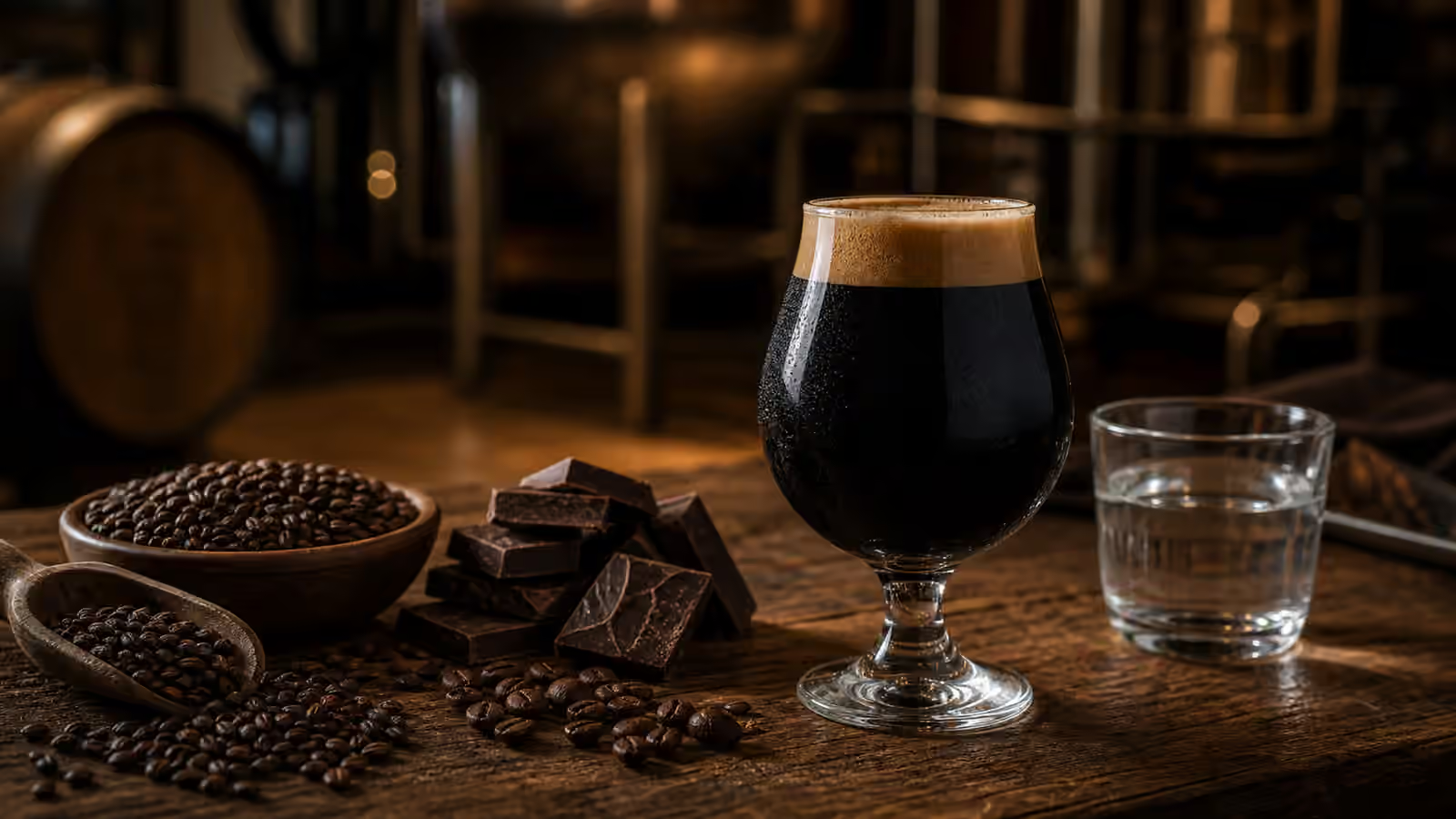
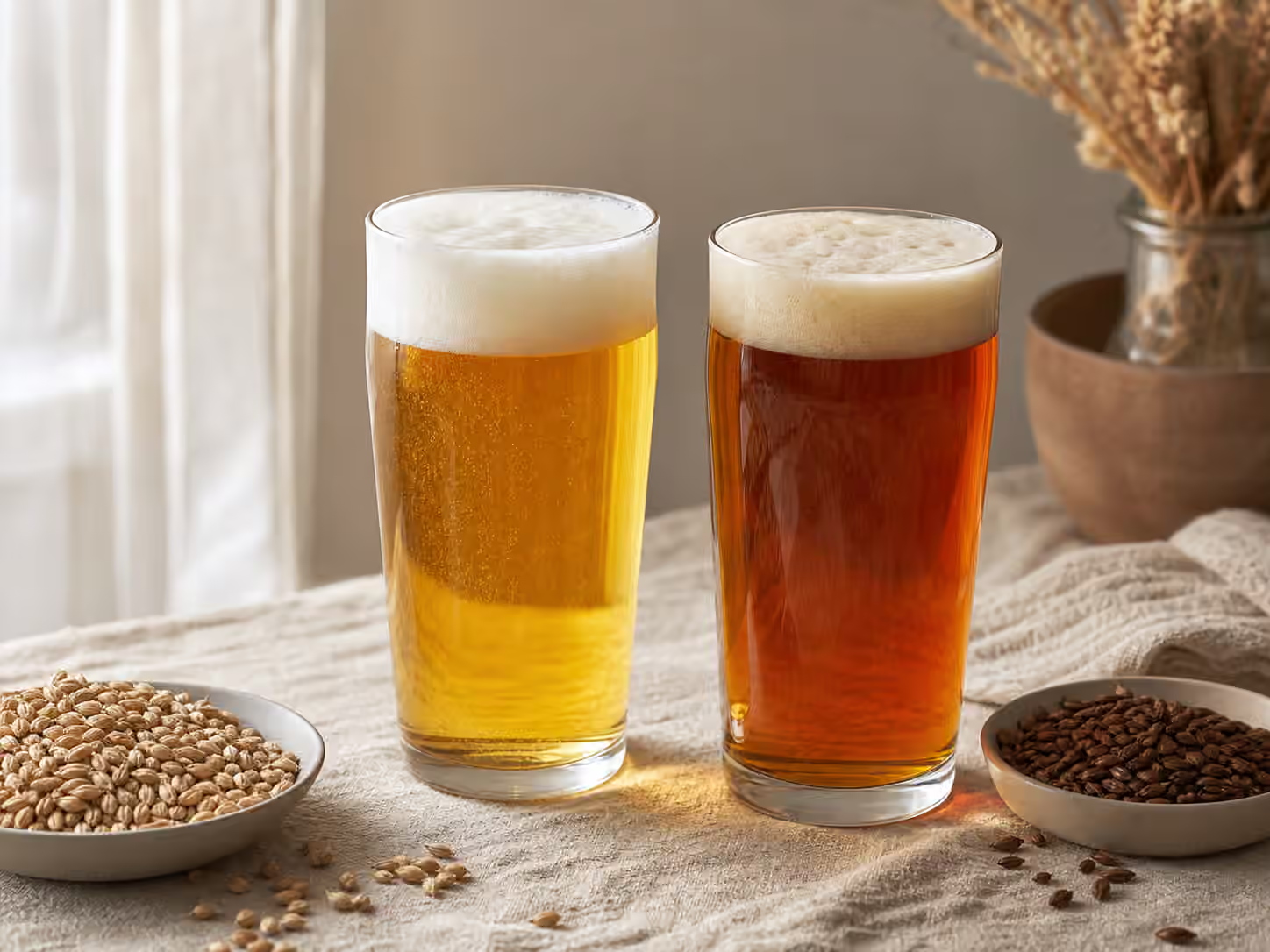
Color can range from amber to deep brown, often with ruby highlights at the edge of the glass. Do not use darkness as a strength meter. Beer Color and Clarity makes that point across styles, and it matters here too. A lighter barleywine may be stronger than a dark old ale. Color gives clues about malt choices, not a full explanation of the beer.
Hops Have Different Jobs
In strong ale, hops may be structural, expressive, or both. Bitterness is necessary because malt sweetness needs a counterweight. Without enough bitterness, barleywine can become cloying. With too much rough bitterness, it can taste harsh, especially as the beer warms. The Beer Bitterness and IBU guide is helpful because a high number may not taste punishing when the beer has enough malt and alcohol behind it.
Hop aroma depends on the style and age. A fresh American barleywine may show citrus, pine, resin, or floral intensity. Over time, those aromatics fade, and the beer may shift toward malt, dried fruit, leather, or sherry-like notes. An English-leaning barleywine may never be loudly hoppy, but bitterness still supports the finish. Old ale often lets hops recede further, especially when age is part of the character.
Fresh hop brightness and cellaring are sometimes at odds. If you bought a barleywine because the hop character was vivid, long aging may not improve the part you liked. If you bought it for malt depth and warming complexity, some time may be interesting. The right answer depends on the beer, not the category name.
Age Can Add Depth Or Damage
Cellaring strong beer attracts romance because some bottles do change in compelling ways. Harsh alcohol can soften. Malt can develop dried fruit, toffee, nutty, or sherry-like layers. Carbonation can integrate. A beer that felt angular when young may become rounder after time. The story version of that experience appears in The Cellar Discovery , and it captures why people save bottles.
But aging is not automatic improvement. Oxidation can turn malt papery, stale, metallic, or dull. Hop aroma fades. Carbonation can weaken. Sweetness can become flabby. Heat accelerates damage. Light can still hurt beer. A bottle that was poorly filled or stored warm may age quickly in the wrong direction. Beer Packaging gives the practical risks, and Beer Off-Flavors helps separate graceful maturity from tired beer.
If you cellar beer, think in terms of experiments rather than guarantees. Store bottles cool, dark, and steady. Avoid temperature swings. Keep crown-capped bottles upright to reduce contact with the cap and sediment disturbance. Buy more than one bottle when possible so you can taste one fresh and one later. Write down impressions, not predictions. The beer will tell you whether patience helped.
Barrel Aging Is Related But Different
Many barleywines and old ales spend time in barrels, and barrel character can be beautiful when it supports the beer. Oak may add vanilla, coconut, tannin, spice, or structure. Spirit barrels can add whiskey, brandy, rum, or wine-like notes depending on the barrel. The guide to Barrel-Aged Beer goes deeper, but the key is proportion. Barrel character should not erase the base beer.
Strong ale is a good candidate for barrels because malt and alcohol can carry oak intensity. It is also easy to overdo. Too much spirit heat can make the beer taste boozy rather than warming. Too much oak tannin can dry the mouth in a woody way. Too much residual sweetness can make barrel-aged barleywine feel heavy and sticky. A great barrel-aged strong ale tastes like beer transformed by oak, not like a cocktail poured into malt.
Serving size becomes especially important here. A large pour of barrel-aged barleywine can overwhelm the palate. A smaller pour gives the beer room to be intense without becoming a chore. Strong beer is often more enjoyable when it is treated as a slow glass rather than a pint.
Serving And Tasting Strong Ale
Temperature changes strong ale dramatically. Too cold, and the beer may seem closed, sugary, and blunt. Too warm, and alcohol can dominate. Start cool, not icy, and let the beer open gradually. Smell it at each stage. Malt, dried fruit, hops, oxidation, and alcohol warmth will shift as the glass warms. Serving and Storage gives the general logic, but strong ale rewards patience more than most styles.
A tulip, snifter, small wine glass, or other stemmed glass works well because it concentrates aroma and encourages a smaller pour. Foam may be lower than in a pilsner, especially if the beer is old or strong, but carbonation should still support the body. A completely still strong ale may feel heavy unless the style or age makes that expectation clear. Beer Carbonation and Foam matters even in quiet beer because bubbles lift sweetness and aroma.
Taste in small sips. Notice the first sweetness, the middle body, and the finish. Does warmth rise gently, or burn? Does bitterness clean the palate, or scrape? Does age add depth, or stale paper? Does the beer become more coherent as it warms, or less? Strong ale is not a race to identify the biggest flavors. It is a test of whether big flavors can remain organized.
Food, Dessert, And The End Of A Meal
Barleywine and old ale often fit near the end of a meal, but they are not only dessert beers. They can work with aged cheddar, blue cheese, roasted nuts, pork, braised meat, mushroom dishes, fruitcake-like desserts, bread pudding, caramelized onions, or simple dark chocolate. The pairing depends on the beer’s sweetness and bitterness. A hop-forward American barleywine may handle rich savory food better than a very sweet old ale. A softer aged beer may shine with cheese and nuts.
The Beer and Food Pairing guide offers the larger method: match intensity, decide whether to echo or contrast, and watch the finish. Strong ale brings intensity, malt depth, and warmth. Food should either meet that intensity or give the beer a useful contrast. Very sweet desserts can make the beer seem thinner or hotter if the dessert is sweeter than the beer. Salty cheese can sharpen malt and make warmth feel more pleasant.
The point of barleywine and old ale is not to prove endurance. It is to slow down enough to taste how malt, strength, age, hops, and serving shape one another. A good bottle can feel generous and thoughtful at the same time. It does not need to be opened only for ceremony, but it does ask for attention. Pour less than you think you need, let the glass breathe, and judge the beer by its balance rather than its size.