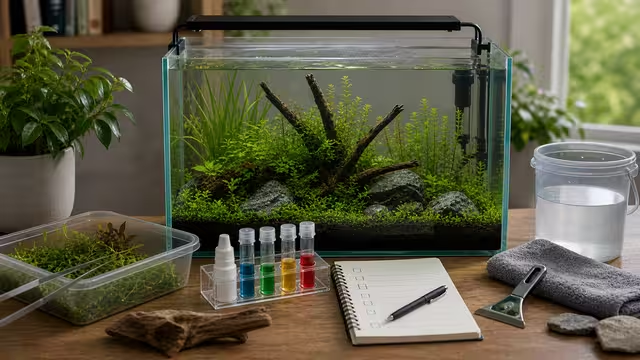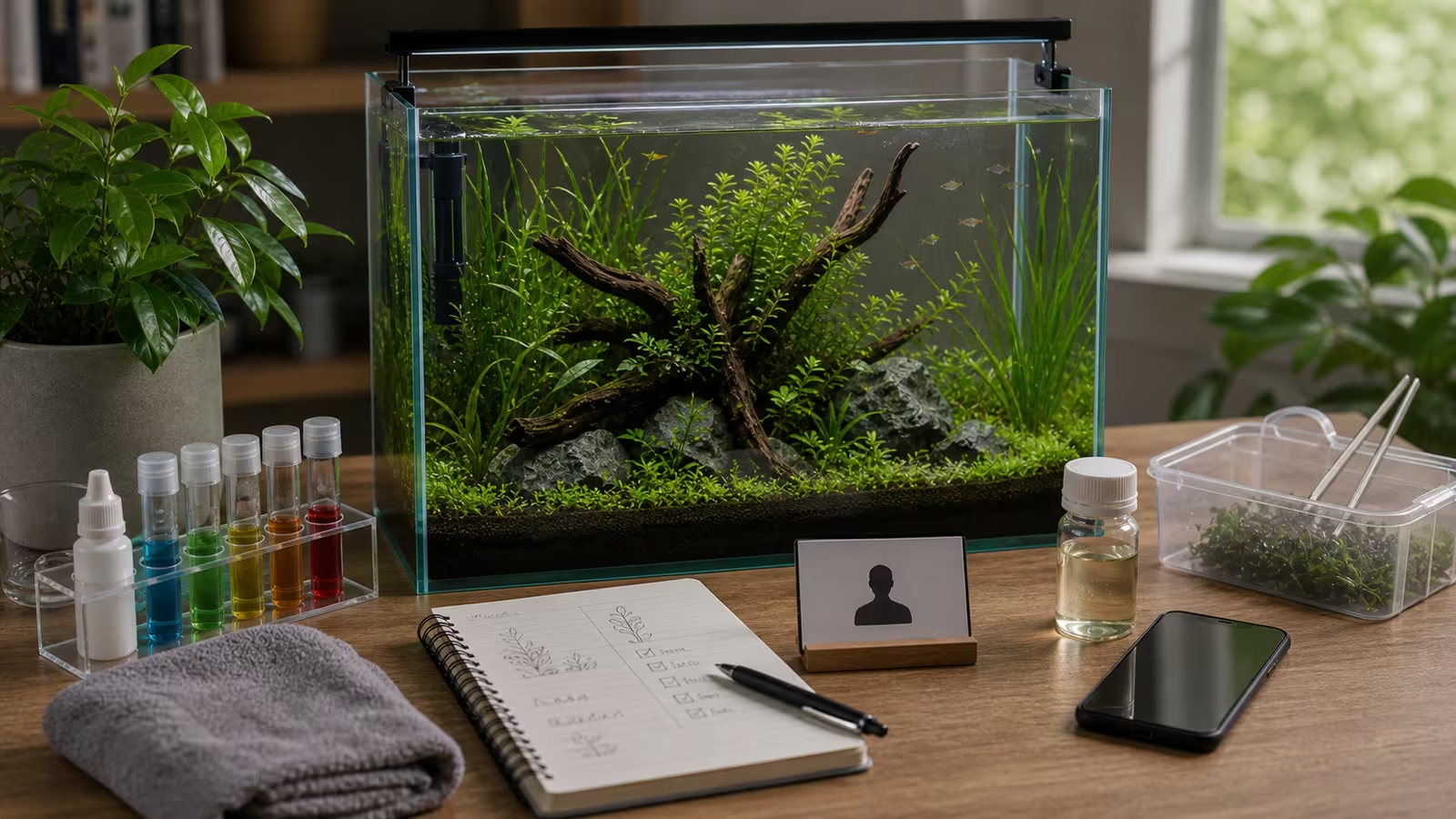
Online guides are useful for ordinary decisions. They are not enough for every aquarium problem. Some situations need a qualified aquatic veterinarian, experienced local keeper, structural professional, electrician, water-testing lab, or emergency service.
Escalation is not failure. It is part of responsible care when the risk is beyond your current knowledge.
Animal Health Red Flags
Call for help when you see rapid deaths, gasping at the surface, severe wounds, unusual swelling, parasites, persistent refusal to eat, spinning, inability to swim, or symptoms that spread through the tank. Bring water-test results, photos, timeline, livestock list, and recent changes.
Avoid dumping random medications into a display tank. Wrong treatment can harm fish, shrimp, snails, plants, and filter bacteria.
Water And Equipment Red Flags
Unsafe ammonia or nitrite in a stocked tank, suspected contamination, heater failure, electrical smell, leaking seams, cracked glass, unstable stands, or flooding require more than casual advice. Stabilize what you can safely stabilize, then escalate.
When Local Experience Helps
An experienced local aquarium shop, club, or keeper may understand regional water, common species, and practical sourcing better than generic advice. Still, ask for reasoning. Confident advice without questions can be risky.
Common Mistakes
- Waiting until the last animal is sick.
- Asking for help without test results or photos.
- Trying several medications at once.
- Ignoring electrical or structural warning signs.
- Treating shame as a reason to delay.
Related Fondsites Path
- Water Testing for Aquascapes for evidence.
- Beginner Mistakes and Reset Plan for non-emergency recovery.
- Heater, Thermometer, and Electrical Safety for equipment risk.
Try This Next
Build a contact list before you need it: aquatic veterinarian if available, trusted local fish store, experienced keeper, electrician, building manager or landlord, and local water provider.