Aquariums are heavy containers of water inside a home. Even a small planted tank can damage furniture, floors, outlets, and nearby belongings if maintenance is careless or equipment fails. Leak prevention should be planned before the first fill.
This is not meant to make the hobby scary. It is meant to make routine safety visible.
Start With Placement
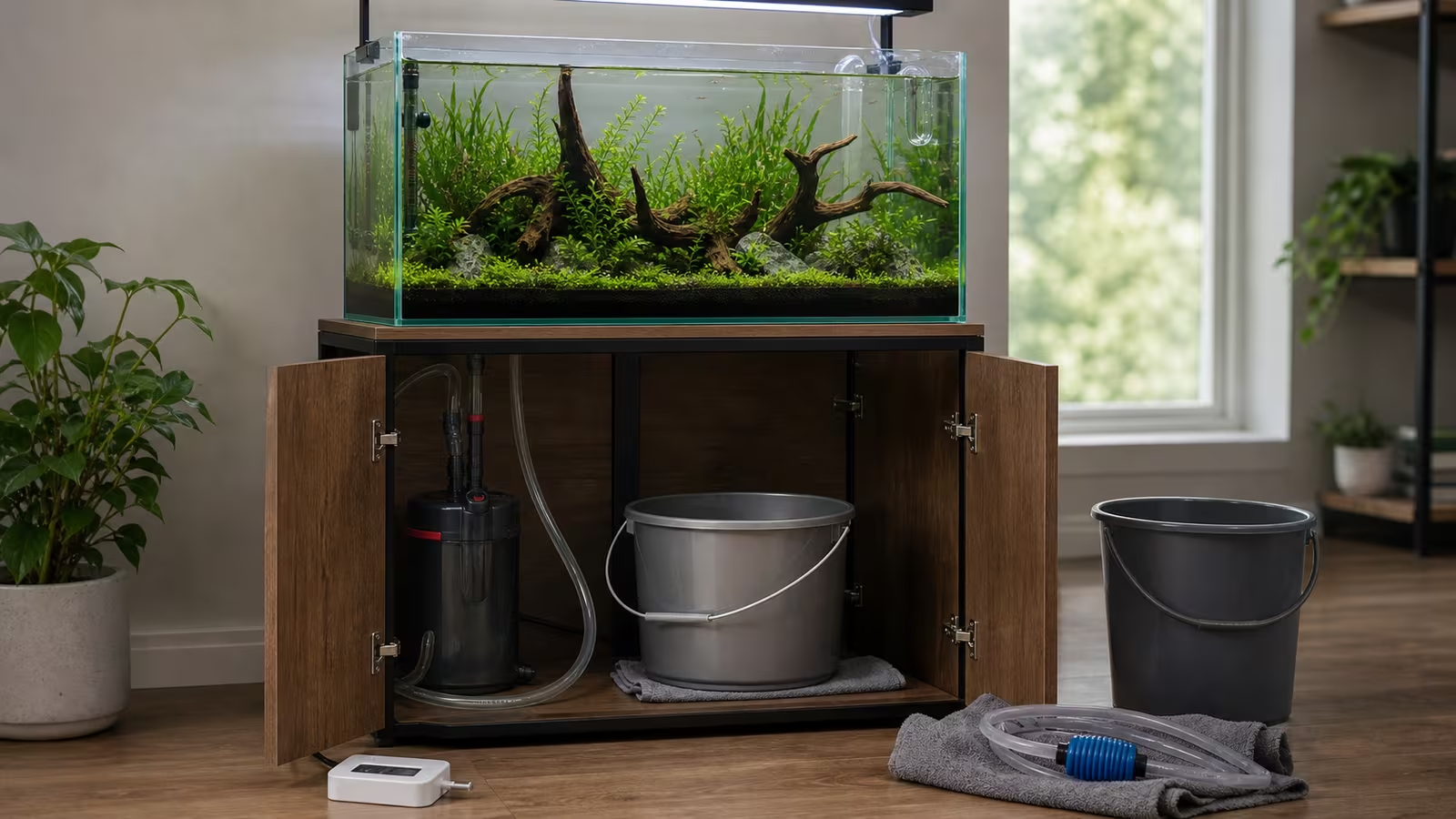
Use a stand made for the tank’s loaded weight and footprint. Check level. Keep the tank away from edges, unstable furniture, direct sun that drives algae and heat, and places where cords or hoses will be kicked. Leave room to work behind and around the tank.
Do not assume a decorative shelf can hold an aquarium because it looks sturdy.
Maintenance Spill Control
Prepare towels before water leaves the tank. Control siphon ends. Never leave a draining or filling hose unattended. Keep buckets stable and below safe carrying weight. Wipe drips immediately so they do not travel toward outlets or under flooring.
Early Warning Tools
Leak sensors, drip trays where appropriate, visible waterlines, and routine stand checks can catch problems early. They do not replace safe installation. A sensor that screams after the floor is soaked is a last line of defense, not the plan.
Common Mistakes
- Filling a tank on furniture not designed for aquariums.
- Letting water-change hoses run unattended.
- Keeping power strips on the floor below the tank.
- Ignoring slow salt or mineral creep around seams and fittings.
- Storing absorbent valuables under the stand.
Related Fondsites Path
- Aquarium Location, Stand, and Floor Safety for the first placement decision.
- Heater, Thermometer, and Electrical Safety for power habits.
- Keepers Guild for household maintenance and inspection routines.
Try This Next
Walk around the tank with a towel in hand and look for the first place water would go during a spill. Move cords, sensors, and stored items before that path becomes real.