Water changes are not punishment for a dirty tank. They are a routine way to keep a living system within a range the plants and animals can handle. In a planted aquarium, the right rhythm depends on tank size, stocking, feeding, plant growth, source water, nitrate trend, evaporation, and how disruptive each maintenance session becomes.
A weekly baseline is common because it is easy to remember, but the exact amount is not universal. A lightly stocked, established planted tank may need a different rhythm than a new nano tank with active aquasoil, melting plants, and a beginner still learning feeding restraint.
What Water Changes Do
Water changes dilute dissolved waste, reset some accumulated nutrients, remove tannin color if desired, and give you a regular time to inspect plants, animals, equipment, and glass. They do not replace cycling. They do not excuse overfeeding. They do not turn an overstocked tank into a kind setup.
Top-off is different. Replacing evaporated water restores the water line, but it does not remove nitrate or dissolved materials. In small tanks, confusing top-off with water changes can slowly concentrate minerals.
Choose A Starting Rhythm
| Tank Situation | Sensible Starting Point |
|---|---|
| New planted tank with no animals | Small regular changes while plants settle and tests are tracked. |
| Stocked beginner community | Weekly moderate changes, adjusted from nitrate trend and behavior. |
| Shrimp nano tank | Gentle, consistent changes that avoid sudden parameter swings. |
| High plant mass, light stocking | Test trends before reducing maintenance too far. |
| Problem tank | Test first, then correct the cause instead of only changing water. |
Maintenance Flow
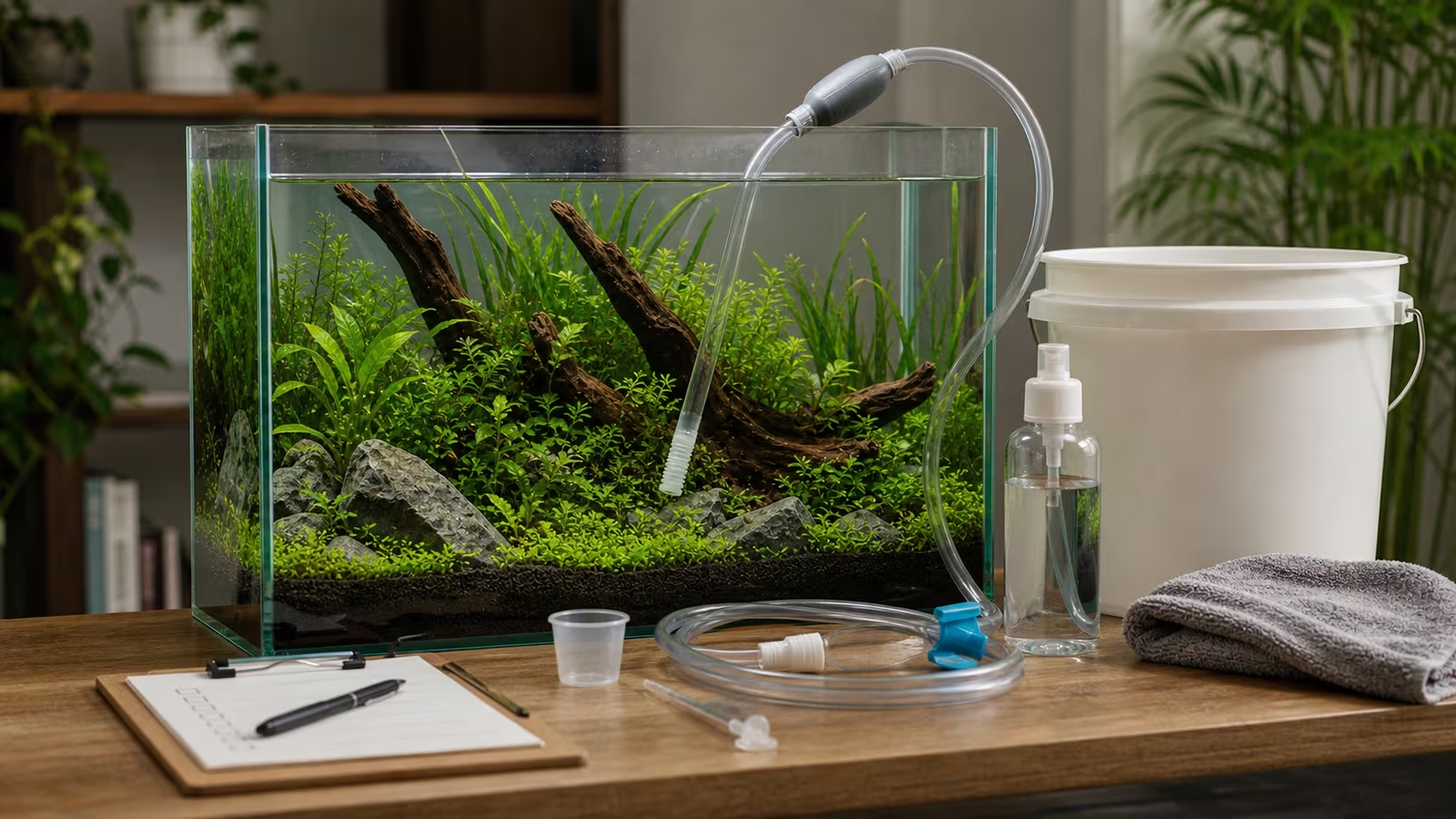
Observe animals before you disturb the tank. Prepare replacement water. Turn off equipment if needed and safe. Siphon deliberately. Avoid draining into unsafe places. Refill slowly enough not to uproot plants or shock animals. Confirm equipment restarts. Wipe spills. Write down what changed.
Common Mistakes
- Skipping changes until the tank looks bad.
- Changing too much water without matching temperature or chemistry.
- Letting siphons run unattended.
- Topping off forever without removing dissolved waste.
- Cleaning filter media too aggressively on the same day as other big changes.
Related Fondsites Path
- Water Change Planner for sizing a routine.
- Clear Water Lab for source-water thinking.
- Keepers Guild for leak prevention and maintenance checklists.
Try This Next
Pick a weekly baseline and run it for four weeks with test notes. Adjust from evidence: nitrate trend, plant health, animal behavior, algae pressure, and how realistic the routine feels.