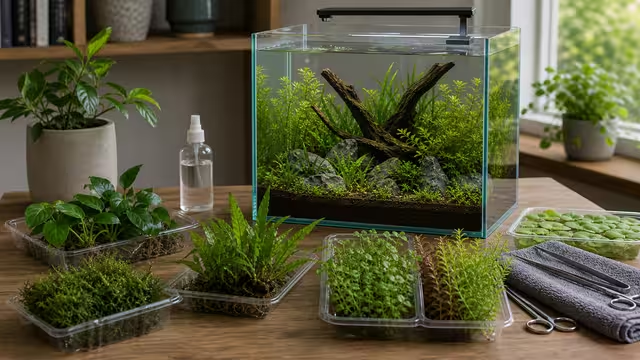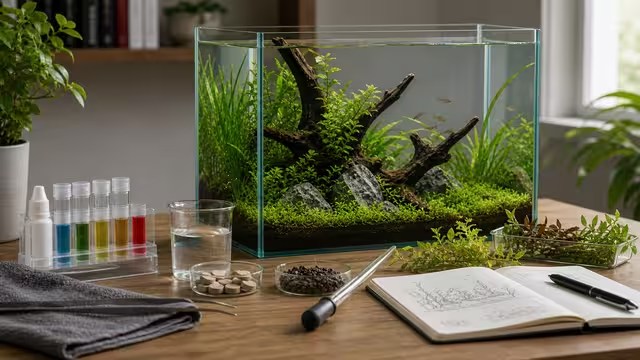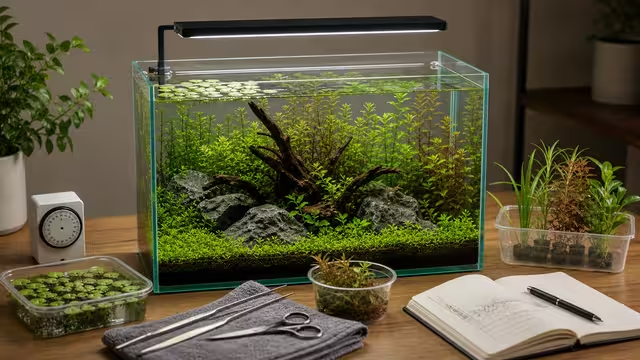
Plants grow out of the original design. That is a good problem, but it still needs management. Trimming keeps light moving through the tank, prevents old growth from rotting underneath, and lets you shape the aquascape instead of letting the fastest plant decide everything.
Replanting is useful when healthy tops are better than tired lower stems or when a group needs to become denser. The key is to work cleanly and avoid turning every trim into a full rescape.
Decide The Goal First
Are you shaping a plant group, removing dying leaves, thinning a jungle, replanting healthy tops, or making room for flow? Each goal calls for a different cut. Random trimming can make the tank uglier and less stable.
Take a photo before trimming. It helps you see what changed and stops you from chasing perfection while your arms are in the tank.
Practical Workflow
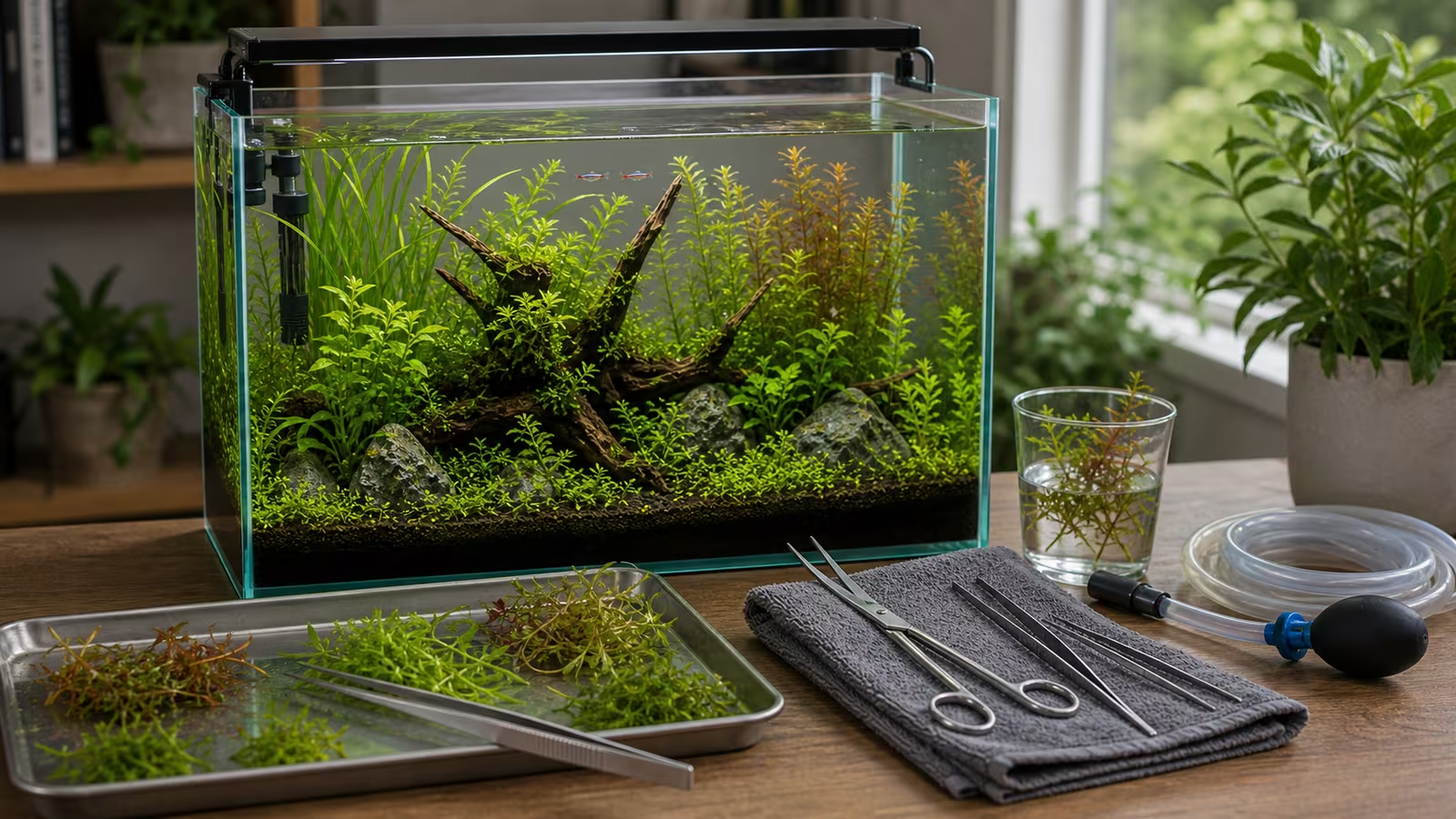
Start with dead or melting leaves. Then trim the fastest plants. Remove floating fragments as you go. If replanting stems, choose healthy tops and plant them deep enough to hold without crushing them. Leave enough spacing for light and flow.
After trimming, siphon debris, clean intake guards, and check whether equipment still moves water across the tank.
Tool Habits
Long scissors and tweezers make work easier, but clean hands and patience matter more. Use tools reserved for aquarium work when possible. Avoid soaps, oils, cleaners, and residues near the tank.
Common Mistakes
- Cutting everything on the same day.
- Leaving trimmed plant fragments to decay.
- Replanting weak, algae-covered stems.
- Pulling rooted plants straight up and stirring substrate everywhere.
- Forgetting that trimming changes shade and flow.
Related Fondsites Path
- Stem Plants and Trimming Without Chaos for stem-group decisions.
- Maintenance Day Checklist for order of operations.
- Aquascape Photo Journal for before-and-after records.
Try This Next
Choose one plant group for your next trim and leave the rest alone. The tank will tell you more when only one variable changes.