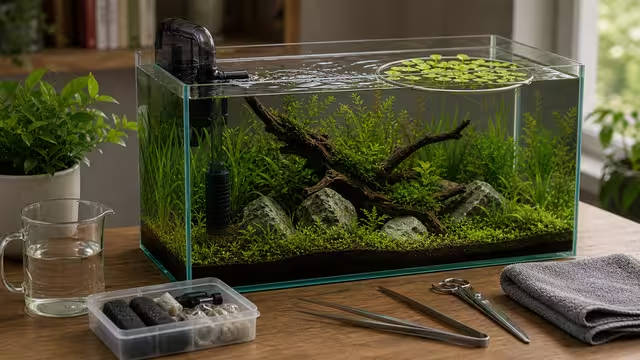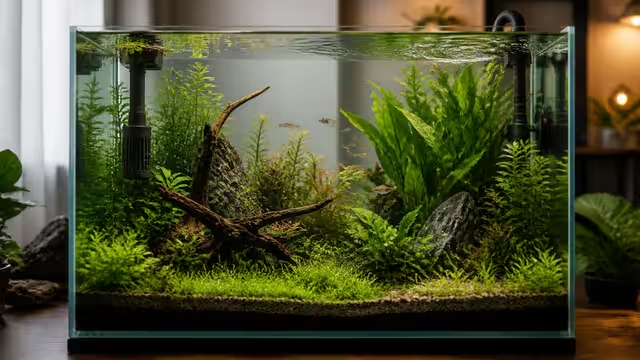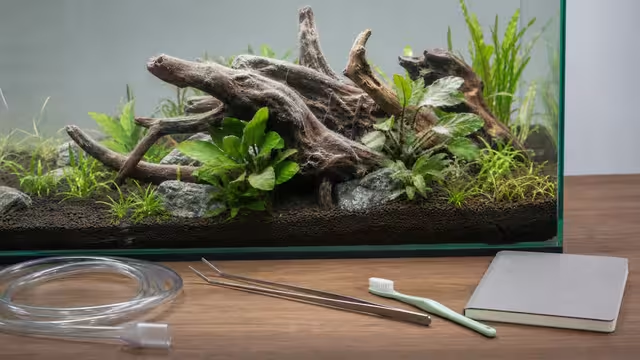
Surface film is one of those small aquarium details that can look worse than it is, then suddenly matter more than expected. A faint oily sheen, dusty skin, or patchy layer on top of a planted tank may come from dissolved organics, bacterial growth, food residue, plant debris, still water, or a surface crowded by floating plants. Sometimes it is mostly a maintenance clue. Sometimes it signals weak gas exchange in a tank that also has livestock, warm water, heavy feeding, or CO2.
The surface is where the aquarium trades gases with the room. Oxygen enters, carbon dioxide leaves or equilibrates, and surface movement keeps the boundary from becoming stagnant. A planted aquascape can have gentle movement without looking like a boiling filter box. The trick is to keep the surface alive enough that the tank breathes.
What Surface Film Is Telling You
Surface film is rarely one single substance. It may include proteins, oils from food, bacterial growth, plant sap, dust, tiny particles, and organics released as leaves break down. In a new tank, it can appear while the biology is still organizing itself. In a mature tank, it may show that feeding, trimming, flow, or filter maintenance has drifted.
The useful question is not whether any film is morally bad. The useful question is what else is happening. Is the tank newly set up? Did you add driftwood, tissue-culture plants, or a large amount of new plant mass? Are floating plants covering the surface? Did you increase feeding? Did the filter output slow down? Did a surface skimmer stop working? Is the water warm enough that oxygen holds less easily?
Surface clues work best beside test results and observation. Water Testing for Aquascapes covers ammonia and nitrite evidence. Feeding Without Polluting the Tank covers one of the most common sources of excess organics. Film asks you to read the whole routine rather than scrape the surface and forget the cause.
Flow Without Violence
Many planted tank keepers want a calm surface because it looks natural and helps retain injected CO2. Calm is different from stagnant. A filter outlet aimed so gently that no surface moves may let film gather, reduce oxygen exchange, and hide equipment problems. An outlet aimed too aggressively may blast floating plants, drive off CO2 faster than intended, stress livestock, or uproot delicate stems.
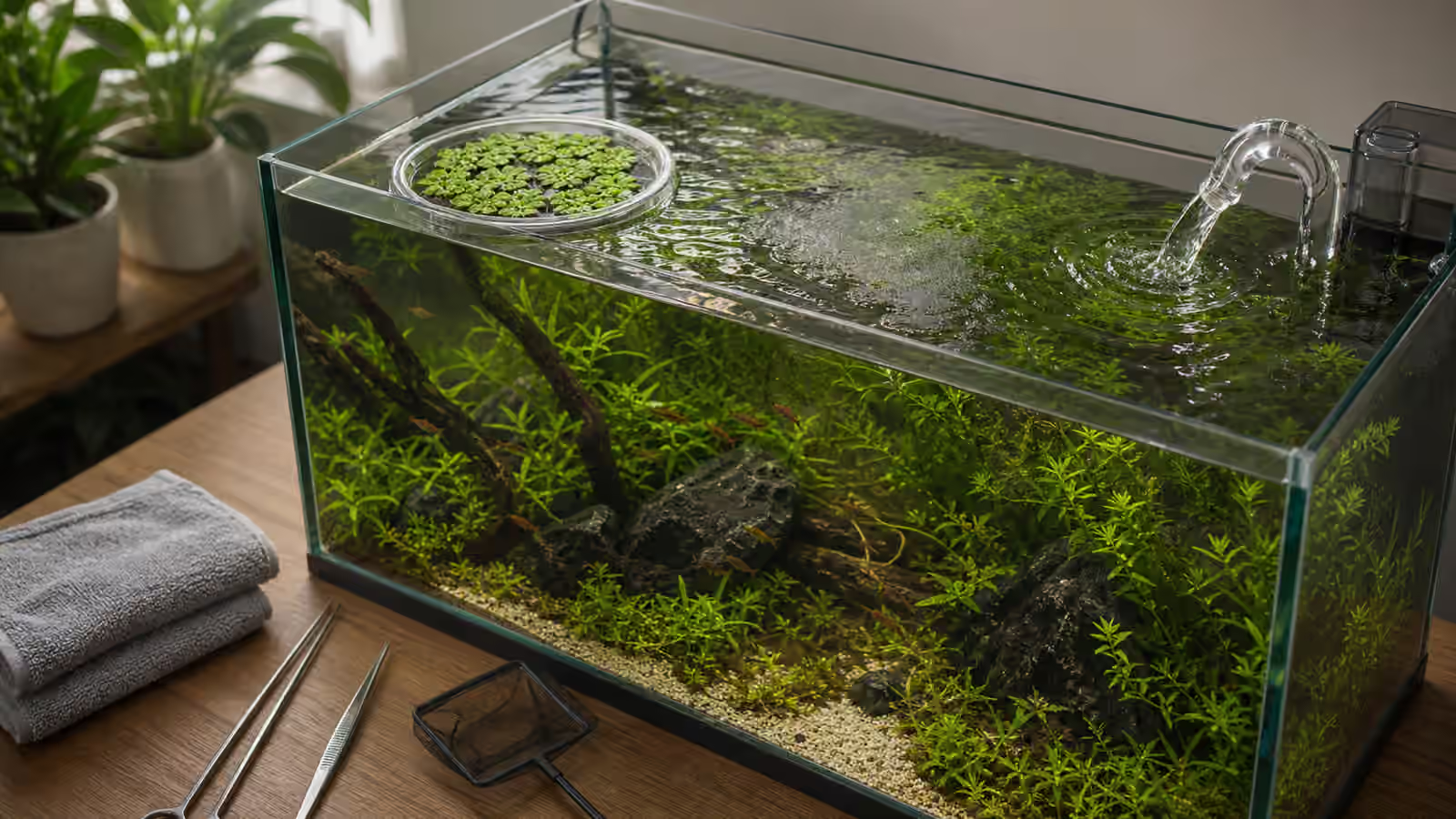
The middle ground is visible ripple. You should be able to see water movement across the surface, especially near the outlet and toward the intake path. The ripple does not need to splash. It does need to break the still boundary enough that film cannot settle into a sealed layer. Filter Flow and Surface Agitation is the broader guide because outlet direction, intake protection, plant density, and livestock comfort all interact.
Flow can fail gradually. A clogged prefilter sponge, plant leaves wrapped around an intake, floating roots covering the outlet, or dirty tubing can reduce surface movement before the filter sounds different. During maintenance, look at the surface before your hands enter the tank. That first glance shows the real water pattern.
Floating Plants Can Hide The Problem
Floating plants are useful. They shade anxious livestock, compete with algae, take up nutrients, and create a softer look. They can also cover the surface so completely that gas exchange suffers, feeding becomes awkward, and the aquarist cannot see the waterline or film. A mat of floaters can make a tank look lush while the surface underneath becomes stale.
Floating Plants Without Losing Control explains the management side. For surface film, the important habit is leaving open water. A floating plant corral, trimmed patch, or regular removal routine keeps at least part of the surface clear for ripple, feeding, and visual inspection. Long roots should not be allowed to wrap around an outlet or intake.
Film trapped among floaters is harder to skim because the plants break the surface into little pockets. If you remove a handful of floaters and see a heavy slick underneath, that is information. Reduce excess cover, improve surface movement, and check whether feeding or decaying leaves are adding more organics than the tank can process quietly.
CO2 And The Surface Tradeoff
CO2-injected aquascapes often make people nervous about surface agitation because moving the surface can let CO2 leave the water faster. That concern is real enough to consider, but it should not become a reason to suffocate the tank. Livestock need oxygen, bacteria need oxygen, and plants themselves respire when lights are off. A tank can run CO2 and still maintain safe gas exchange.
The better question is consistency. If surface agitation is stable day to day, CO2 can be tuned around that reality. If the surface alternates between stagnant weekdays and heavy splashing after panic cleanups, CO2 and oxygen conditions swing. CO2 Tuning for Stable Planted Tanks treats tuning as a routine, not as a race toward the least surface movement possible.
Nighttime matters. Plants are not producing oxygen in the dark, and a heavily planted, heavily stocked, warm aquarium may need more nighttime gas exchange than its daytime photograph suggests. Some keepers run an air stone at night or adjust outlets to keep the surface moving. The right method depends on the tank, but the principle is simple: a beautiful surface still has to breathe.
Removing Film Without Making A Mess
Surface film can be removed physically. A paper towel briefly touched to the surface can lift a light film, but it must be plain, clean, and used carefully so fibers or additives do not enter the tank. A cup or small container can skim the top layer during a water change. A surface skimmer can work well when matched to livestock and maintained so it does not trap small animals or clog.
Physical removal is useful, but it is not the whole fix. If film returns every day, the cause remains. Check feeding amount, food type, plant decay, filter flow, floating plant cover, and whether hands, tools, or room dust are adding residue. Cleaning Glass, Tools, and Equipment is relevant because aquarium tools should be dedicated and kept away from soaps, oils, lotions, and household sprays.
Do not pour household degreasers, soaps, or improvised cleaners into an aquarium. The fact that film looks oily does not make it a kitchen-cleaning problem. In a planted tank, the safe tools are water movement, removal of organics, careful skimming, water changes when appropriate, and clean aquarium-only equipment.
Film After New Wood Or Planting
New driftwood and fresh planting can feed surface film indirectly. Wood may release organics and grow biofilm. Newly planted stems can shed leaves. Tissue-culture gel left on plants can cloud water or feed bacterial growth. These issues usually respond to patience, removal of decaying material, and steady water movement.
Driftwood Tannins and Preparation for Planted Tanks is useful because biofilm on new wood often alarms aquarists in the same way as surface film. Both can be temporary, and both can also point to material that needs attention if it smells rotten, breaks down, or coincides with unsafe tests.
Planting technique helps. Rinse appropriate plants gently, remove melting leaves, and avoid burying crowns or rhizomes in ways that cause decay. Plant Quarantine and Pest Inspection gives a calm preparation routine that reduces the amount of mystery material entering the display.
A Surface You Can Trust
A trustworthy surface is readable. It has a visible ripple, open patches between floating plants, no persistent heavy slick, and livestock that behave normally. It lets you see evaporation, feeding response, and filter changes. It does not need to look sterile. It needs to show that the aquarium is exchanging gases and that the keeper is paying attention.
The best surface-film response is usually small and steady. Restore the ripple, reduce excess organics, trim floaters, remove decaying leaves, clean the intake or outlet as needed, and watch whether the film returns. If animals are stressed, treat that as a welfare problem. If the tank is fishless and young, use the clue to improve the routine before livestock are added.
Surface film is easy to overdramatize because it sits where light catches it. It is also easy to ignore because the tank below can still look green and alive. Read it as one part of the system. A planted aquarium that breathes well is more forgiving, easier to observe, and safer for everything living below the waterline.