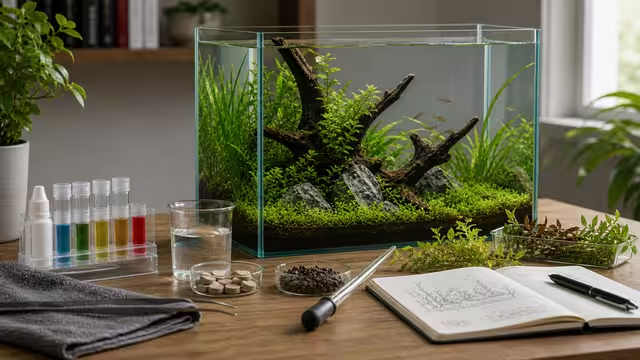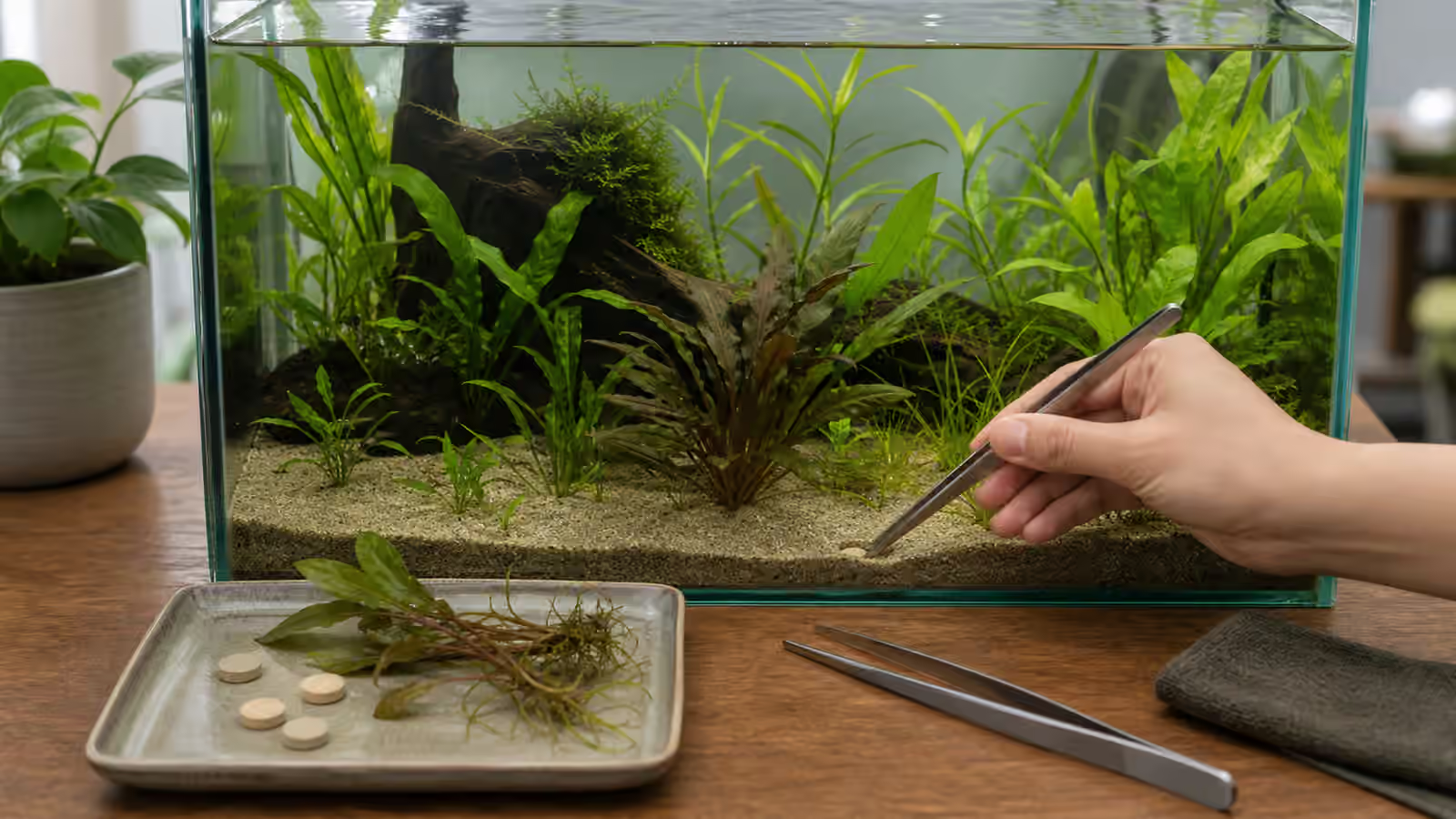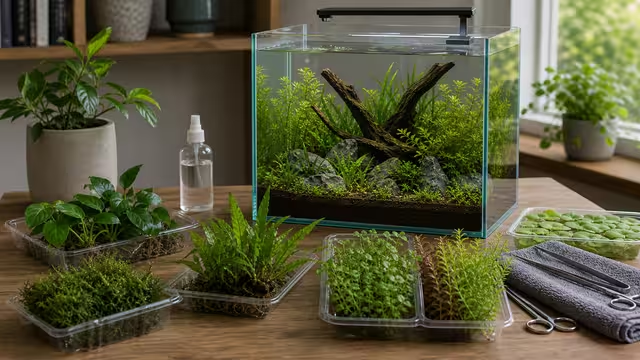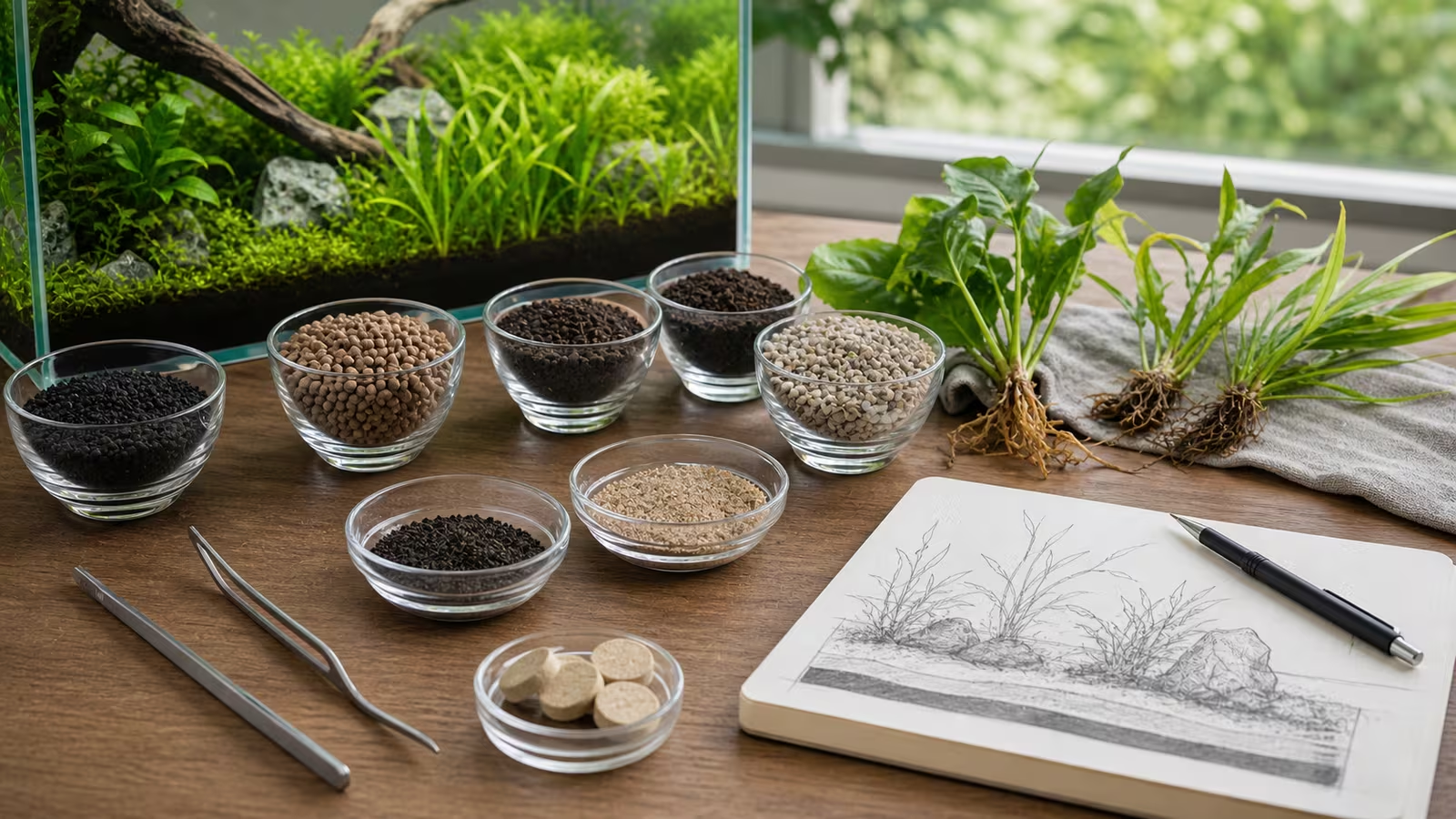
Substrate is not just the color at the bottom of the tank. It is a planting medium, debris surface, nutrient zone, and maintenance choice. The right substrate depends on whether you want rooted plants, epiphytes attached to hardscape, carpeting plants, shrimp, burrowing animals, high-energy growth, or a simple low-tech tank.
Beginners often choose substrate by appearance and only later discover that stems will not stay planted, heavy root feeders are hungry, gravel traps food, or active soil changes early water chemistry. A better choice starts with the plant list and the maintenance routine.
Main Substrate Types
| Substrate | Useful When | Watch For |
|---|---|---|
| Sand | You want a clean look, gentle surface, or open foreground. | Can compact and may need root tabs for root feeders. |
| Inert gravel | You want easy planting and simple rinsing. | Can trap food and does not feed roots by itself. |
| Aquasoil | You want nutrient support for rooted plants. | May affect early water chemistry and can be messy if disturbed. |
| Mixed layers | You want nutrient base with a cap. | Harder to rescape without mixing layers. |
Match Plants To The Bottom
Rooted plants such as many crypts, swords, and some stem groups benefit from nutrients around their roots. Epiphytes such as Anubias and Java fern should not have their rhizomes buried, so expensive plant substrate is less important for them. Moss can live on wood or stone. Floating plants ignore substrate entirely.
If you want a low-tech beginner tank, you can keep the substrate simple and choose plants accordingly. If you want demanding carpeting plants, the substrate is only one piece; light, CO2, trimming, and patience also matter.
Maintenance Reality
Substrate affects cleaning. Bare-looking foreground sand shows debris quickly. Coarse gravel can hide uneaten food until it becomes a water-quality problem. Deep slopes can flatten over time. Fine soil can cloud water when uprooted. None of this is disqualifying, but it should be part of the plan.
Common Mistakes
- Choosing substrate only because it looks good in a photo.
- Vacuuming planted substrate aggressively like a bare fish tank.
- Burying rhizome plants.
- Using too little depth for rooted plants.
- Forgetting that substrate displacement reduces actual water volume.
Related Fondsites Path
- Houseplant Clinic for root and potting-medium thinking.
- Clear Water Lab for water-chemistry caution.
- Keepers Guild for maintenance routines and tool storage.
Try This Next
List your planned plants in three groups: rooted, attached, and floating. If most plants are attached or floating, do not overbuild the substrate. If most are root feeders, plan nutrients and depth before buying the prettiest bag.