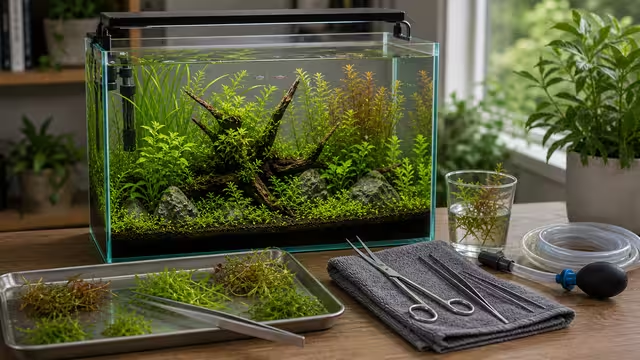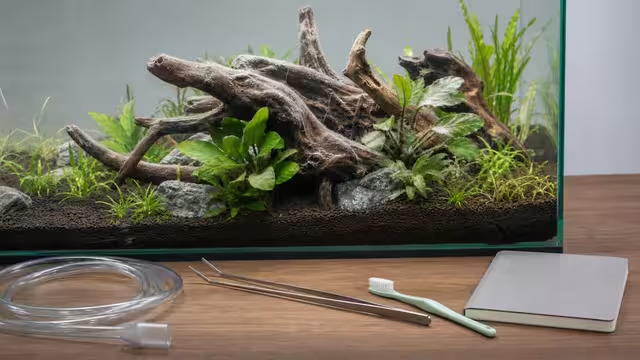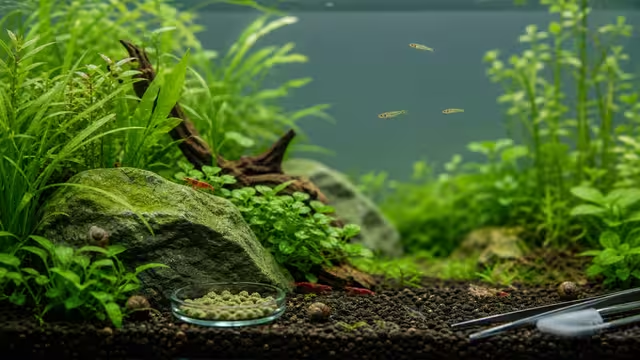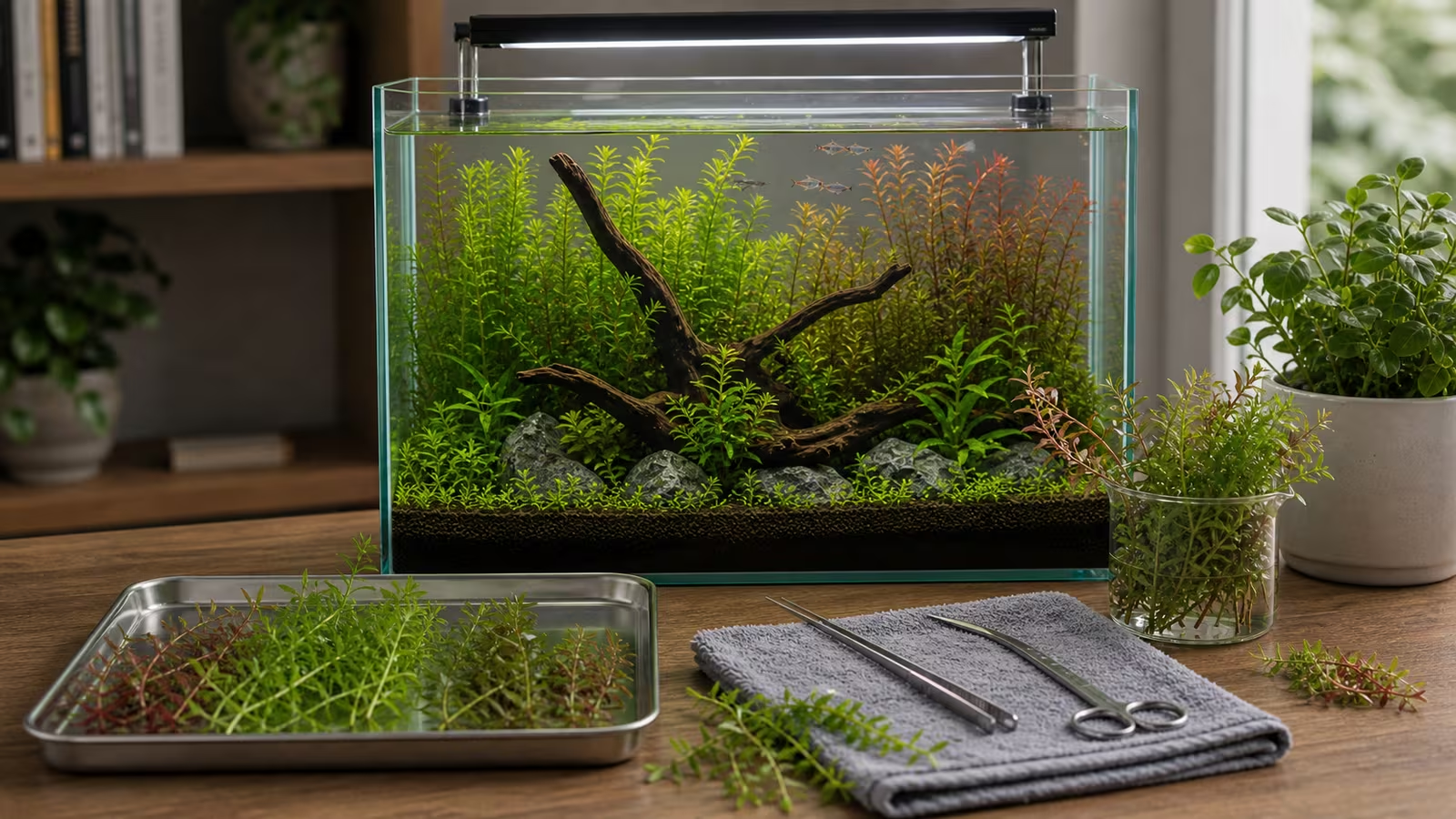
Stem plants bring motion, color, and fast growth to a planted aquarium. They can also turn into a tangled wall if you never trim them. The trick is to treat trimming as routine shaping, not a last-minute rescue.
Fast growth is useful because stems absorb nutrients, compete with algae, and reveal whether light and fertilizer are working. But fast plants also shade slower plants, block flow, and trap debris when ignored.
How Stem Plants Grow
Many stem plants grow upward toward light. Cutting the top can encourage side shoots below the cut, creating a bushier shape. Replanting healthy tops can refresh a group when the lower stems become bare or shaded.
Some plants tolerate heavy trimming better than others. New or melting plants may need time before aggressive shaping. If stems are weak, stretched, or pale, fix light and nutrients before blaming the scissors.
Basic Trim Methods
| Method | Use It When |
|---|---|
| Top and replant | Lower stems are bare or old, and healthy tops are strong. |
| Hedge trim | Dense groups need shaping and are already established. |
| Thin from base | Growth is too crowded and flow is blocked. |
| Gentle cleanup | New plants are adapting and only dead material needs removal. |
Keep The Layout Readable
Stem plants look better when planted in groups rather than scattered single stems everywhere. Taller stems belong in the background or behind focal hardscape. Shorter or trimmed groups can sit midground. Leave negative space so fish can swim and the viewer can see the aquascape structure.
Common Mistakes
- Letting stems shade every slower plant.
- Trimming all plant mass at once in a stocked tank.
- Replanting rotting bottoms instead of healthy tops.
- Leaving loose cuttings to decay.
- Buying fast stems without owning scissors or tweezers.
Related Fondsites Path
- Trimming and Replanting Planted Tanks for a maintenance-day workflow.
- Fertilizing Aquatic Plants Without Overdoing It for growth support.
- Algae Prevention Basics for plant mass and balance.
Try This Next
Pick one stem group and trim only that group this week. Remove loose material, replant the best tops if needed, and compare the shape after seven days before cutting everything else.