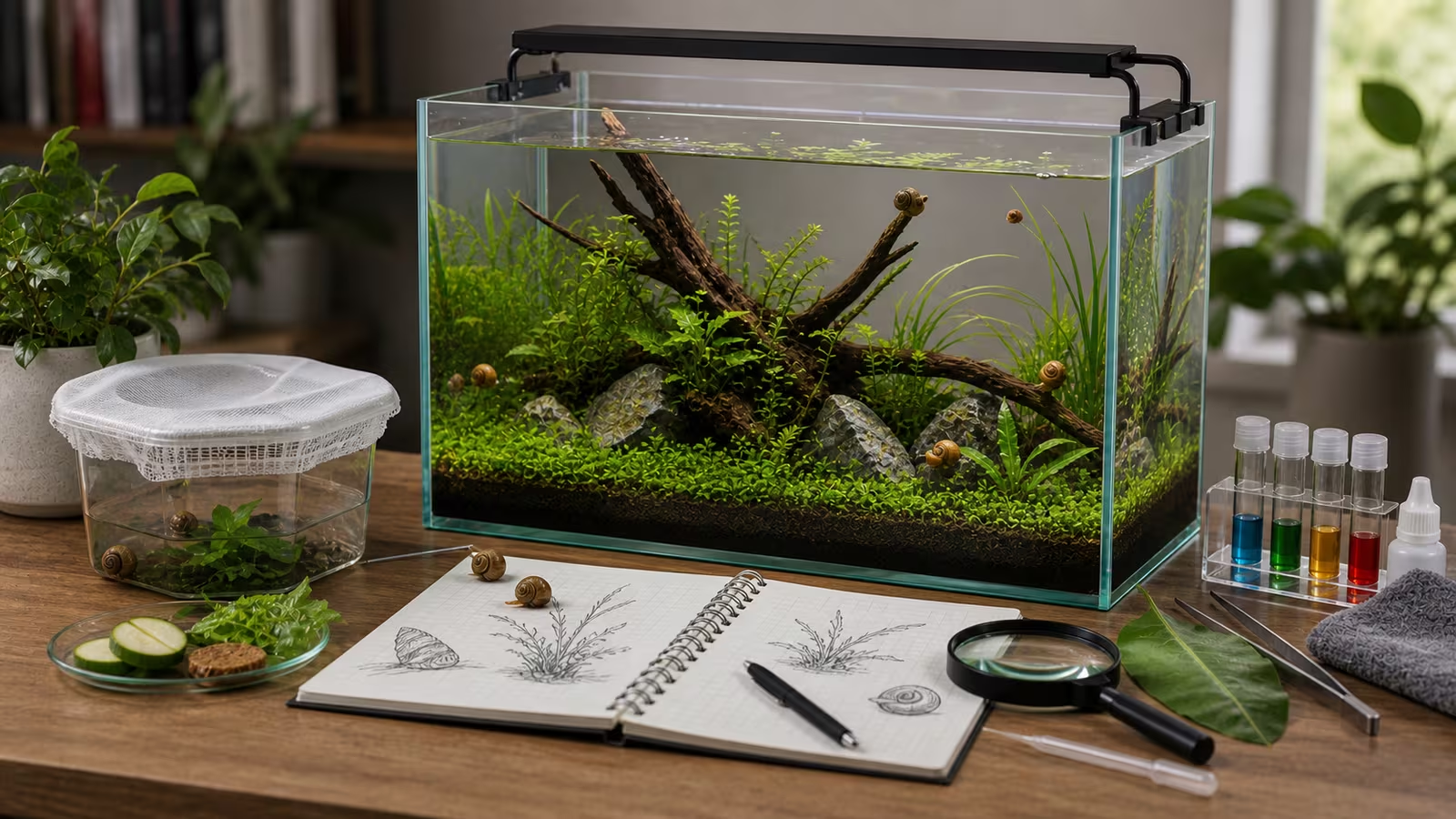
Snails are common in planted tanks. Some are chosen intentionally, some arrive on plants, and some seem to appear from nowhere after a tank settles. They can graze algae, eat leftover food, stir surfaces, and add interest. They can also multiply when the tank is overfed or full of decaying material.
The important shift is to see snails as livestock and signals, not just decorations or pests.
Why Snail Populations Grow
Snail numbers usually follow food. Extra fish food, dying leaves, algae films, and soft debris can support more snails. If the population explodes, ask what is feeding it before reaching for drastic measures.
Removing snails without changing feeding and maintenance often creates a cycle: panic, removal, regrowth, panic again.
Common Snail Roles
| Snail Role | What To Consider |
|---|---|
| Nerite-type grazers | Often good algae grazers, but eggs may appear and species rules vary. |
| Ramshorn or bladder hitchhikers | Population often reflects available food. |
| Malaysian trumpet snails | Can stir substrate, but may multiply heavily. |
| Mystery snails | Larger bioload and specific care needs. |
Do Snails Eat Plants?
Many common aquarium snails prefer algae, biofilm, soft debris, or dying plant tissue. If a plant is melting, snails may be blamed for damage that began elsewhere. That said, species differ, and a hungry or unsuitable snail can cause problems.
Common Mistakes
- Adding snails without considering bioload.
- Killing many snails at once and leaving bodies to decay.
- Releasing unwanted snails outdoors.
- Blaming snails for every damaged plant.
- Buying snail-eating animals as a tool without meeting their needs.
Related Fondsites Path
- Feeding Without Polluting the Tank for population control at the source.
- Invasive Species and Aquarium Disposal for responsible handling.
- Stocking Caution for Small Tanks for bioload thinking.
Try This Next
If snails are multiplying, reduce excess food, remove dead plant matter, and track numbers for two weeks. Treat the population as feedback before treating it as an emergency.