Freshwater shrimp can be wonderful in a planted aquarium. They graze through moss, climb hardscape, and make a tiny tank feel busy without the same swimming-space needs as many fish. They are also sensitive to sudden changes, copper, unstable water, and immature tanks.
A shrimp tank should be planned around stability before decoration. Moss and plants help, but mature biofilm, safe minerals, gentle filtration, and careful maintenance matter just as much.
What Shrimp Need
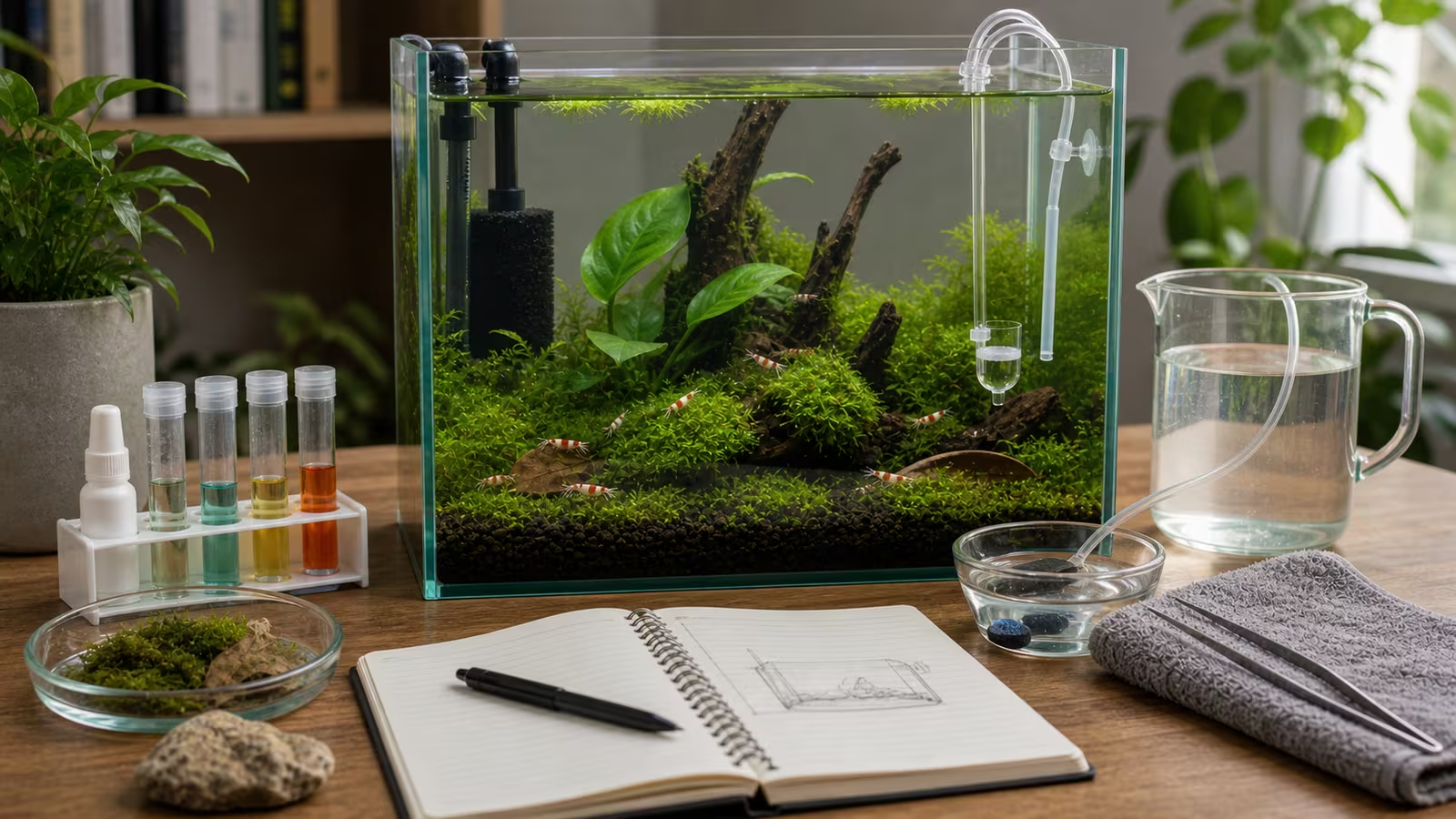
Shrimp need stable water, suitable hardness, oxygen, surfaces to graze, hiding places during molts, and protection from aggressive tankmates. A mature tank with moss, biofilm, leaf litter used appropriately, and gentle filtration is often more shrimp-friendly than a sterile new display.
Many shrimp deaths follow rapid changes: big temperature shifts, sudden hardness changes, untested source water, medication exposure, or large maintenance shocks.
Tank Setup Choices
| Choice | Shrimp-Friendly Thinking |
|---|---|
| Filter | Sponge filters or guarded intakes protect small shrimp. |
| Plants | Moss, floaters, epiphytes, and fine textures provide grazing surfaces. |
| Hardscape | Stable wood and stone with no sharp traps. |
| Substrate | Match the shrimp type and water goals. |
| Tankmates | Many fish may eat shrimplets even if adults seem safe. |
Feeding Restraint
Shrimp graze constantly, but that does not mean they need heavy feeding. Overfeeding can pollute a small tank quickly. Offer tiny amounts, remove leftovers, and let biofilm and plant surfaces do some work.
Common Mistakes
- Adding shrimp to a brand-new tank.
- Assuming all shrimp need the same water.
- Using unguarded filter intakes.
- Making large, sudden water changes.
- Treating shrimp as cleanup tools for neglected tanks.
Related Fondsites Path
- Nano Tank Reality Check for small-system stability.
- Water Testing for Aquascapes for tracking trends.
- Mosses for Nano Aquascapes for grazing structure.
Try This Next
Before buying shrimp, write down the species, target temperature, GH, KH, TDS if used, source water, filter guard, and acclimation plan. Missing answers mean the tank is not ready.