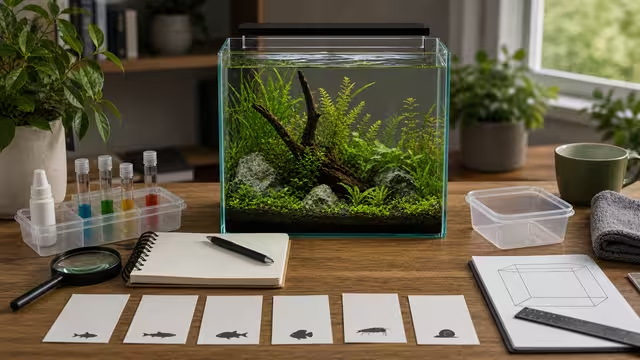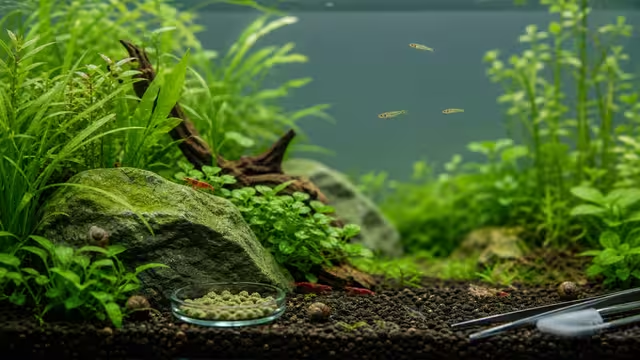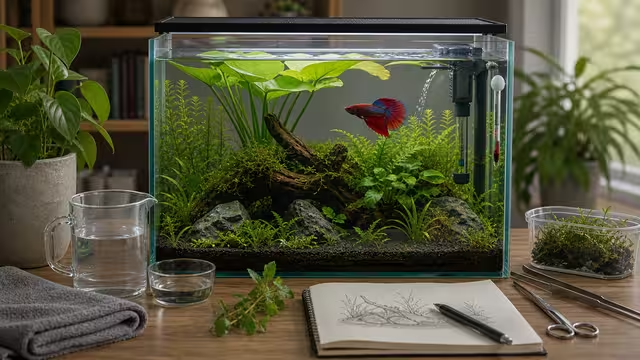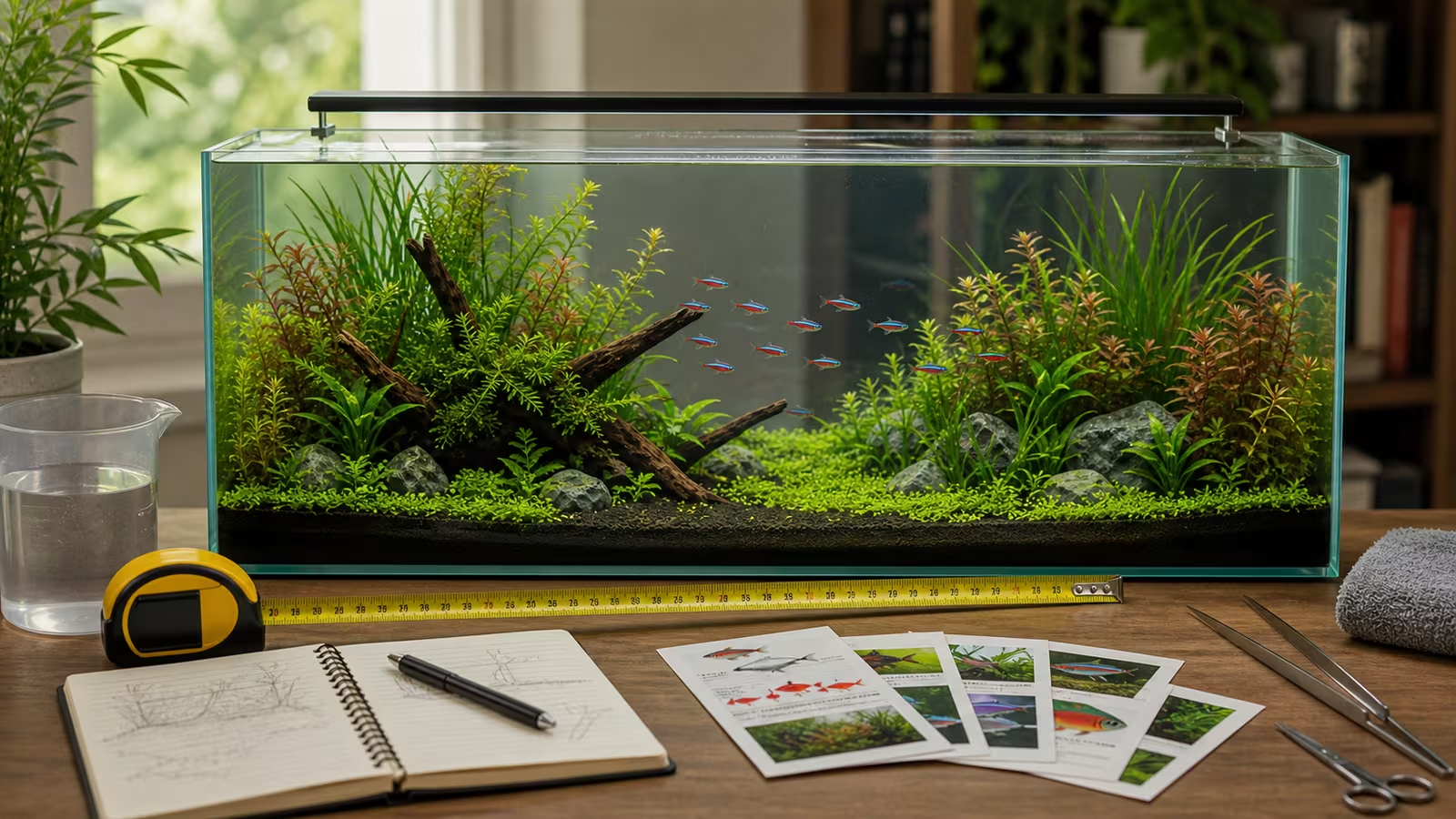
Small schooling fish are often marketed as perfect for planted tanks. Many are beautiful, active, and peaceful when kept well. The catch is that schooling fish need a group, and a group needs space. A fish that is tiny alone may still be a poor fit for a tiny tank.
A planted aquarium can provide cover and comfort, but plants do not erase swimming needs, adult size, or water quality limits.
Group Size Matters
Many schooling or shoaling fish behave better with enough companions. Too few can mean stress, hiding, aggression, or unnatural behavior. But increasing the group also increases bioload and space needs. The answer is not to keep fewer in a smaller tank; it may be to choose a different animal or a larger aquarium.
Swimming Shape Matters
Some fish are small but active. They need horizontal room to move, not just gallons on paper. Tall narrow tanks may hold water volume but still provide poor swimming length for active species.
Dense plants can create security at the edges while leaving an open lane in the middle. A tank packed wall to wall with plants may look lush but leave poor movement space.
Stocking Questions
| Question | Why It Matters |
|---|---|
| How large is the adult fish? | Store size is often juvenile size. |
| How many should live together? | Social needs change stocking math. |
| How active is the species? | Activity affects tank length. |
| What water does it need? | Source water and temperature must fit. |
Common Mistakes
- Buying one or two schooling fish as accents.
- Trusting a generic inch-per-gallon rule.
- Choosing by color before behavior.
- Filling all swimming lanes with hardscape.
- Mixing species until every group is too small.
Related Fondsites Path
- Stocking Caution for Small Tanks for restraint.
- Tank Size Reality Check for planning.
- Plant Before Fish Plan for sequencing.
Try This Next
Pick one schooling species and write the minimum group, adult size, activity level, and recommended tank length from multiple responsible sources. If the group does not fit, choose a different plan before buying.