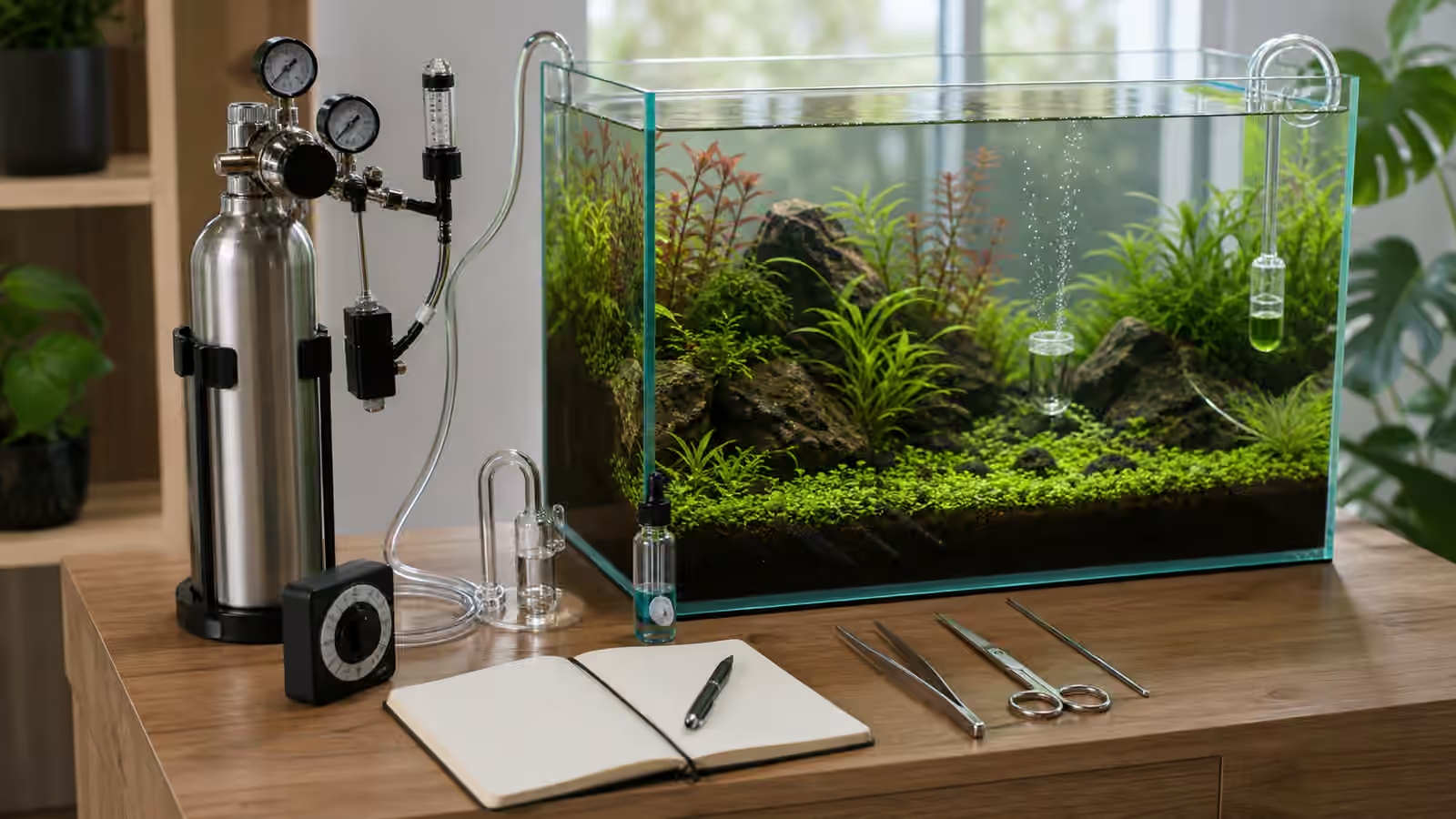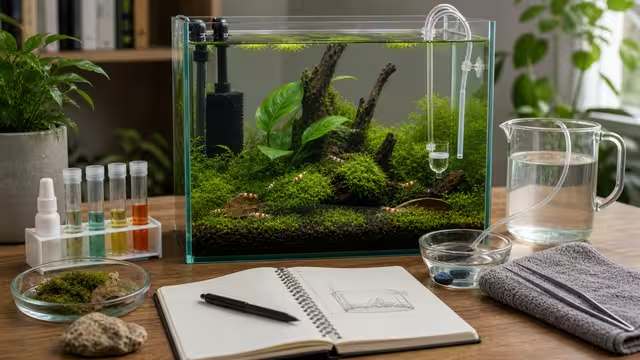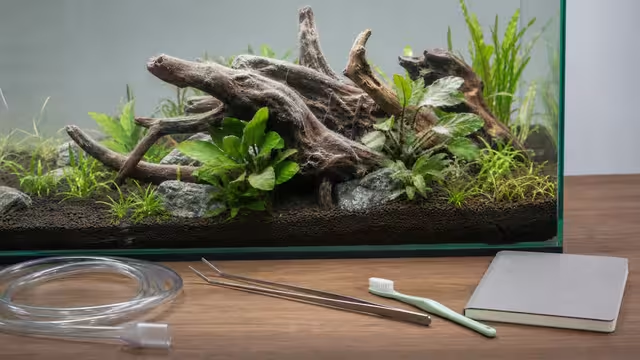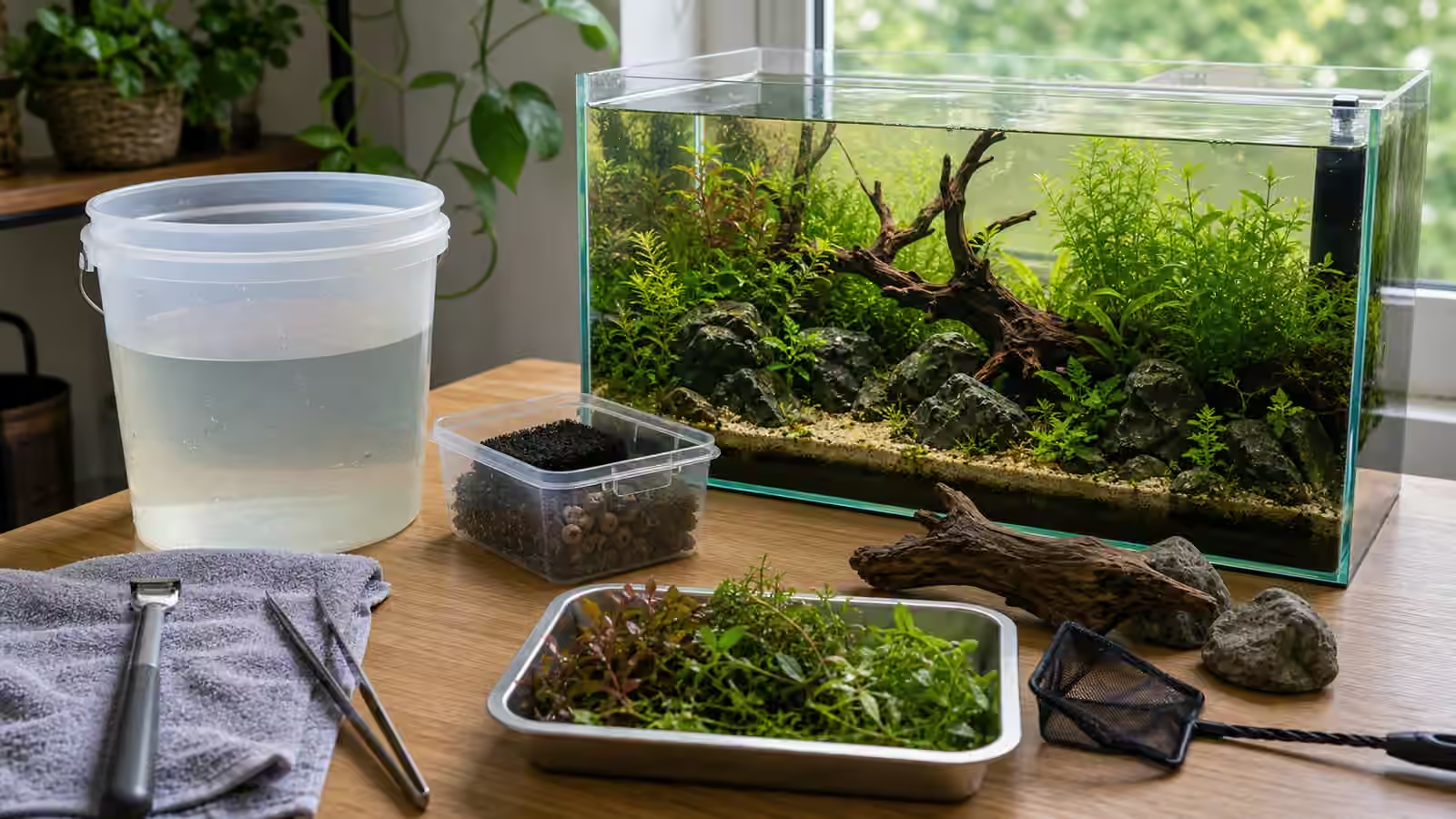
A rescape can feel like starting over, but an established aquarium is not a blank box. It contains filter bacteria, rooted plants, settled substrate, biofilm, livestock territories, debris pockets, and water chemistry patterns that have been shaped by time. Changing the layout without respecting that living context can turn an aesthetic project into a water-quality problem.
The safest rescape begins before your hands enter the tank. Decide what actually needs to change, what must stay stable, where livestock will be during the work, how long the filter can remain running or wet, and how the tank will recover afterward. A good rescape is not the fastest path to a new photograph. It is a controlled disturbance with a recovery plan.
Decide Whether The Tank Needs A Rescape
A rescape is useful when hardscape is unsafe, plants have outgrown the layout, maintenance access is blocked, substrate has collapsed into an unworkable shape, or the design no longer fits the livestock. It is less useful when the real problem is overfeeding, too much light, poor water-change rhythm, or impatience with normal plant growth. In those cases, a rescape can hide the cause for a few days and then return you to the same pattern.
Before dismantling anything, compare the problem with smaller interventions. Could trimming open the sightline? Could a plant group be thinned instead of uprooted? Could flow be adjusted? Could the foreground be cleaned gradually? Beginner Mistakes and Reset Plan is useful here because it separates recovery from dramatic rebuilding. Sometimes the calmer repair is to stop changing everything at once.
When a rescape is justified, write the goal in plain language. A goal like “make it better” is too vague. A goal like “open the front glass for cleaning, move tall stems away from the intake, remove unstable stone, and replant the right side” gives the work boundaries. Boundaries protect the tank from the common mistake of turning a two-hour adjustment into a full teardown.
Protect The Biological Filter
Filter media is often more important than the layout during a rescape. Beneficial bacteria live on surfaces throughout the tank, but the filter is a major home for them. Keep media wet in tank water if the filter must be opened. Avoid cleaning all media aggressively at the same time as disturbing substrate and plants. Do not replace filter media casually because the tank is already in pieces.
If the filter can keep running safely during part of the work, that may help maintain oxygen and circulation. If water level must drop below the intake, shut equipment down in a controlled way and keep media wet. Know how the filter restarts before you begin. A rescape that ends with a silent filter at midnight is not a design success.
The nitrogen cycle guidance in The Nitrogen Cycle Without Mystery matters more after disturbance, not less. Uprooted plants, exposed substrate pockets, and removed biomass can change the waste balance. Test water after the rescape and again as the tank settles. Clear water alone does not prove that ammonia and nitrite stayed safe.
Plan For Livestock Before The Mess
Livestock handling depends on species, tank size, work duration, and disturbance level. Sometimes animals can remain in the tank while a small plant group is trimmed or a branch is moved slowly. Sometimes removal to a covered, temperature-appropriate holding container with tank water is kinder because the work will cloud the tank or require major hardscape movement. The answer should be chosen before the net appears, not improvised while the tank is half drained.
Holding containers need the same practical caution as the display. They should be clean, escape-resistant, temperature-aware, and away from household hazards. Shrimp, small fish, labyrinth fish, and jumping species have different risks. Do not crowd animals into a tiny cup for a long project because it is convenient. If the rescape is too large to do safely in one session, split the work or postpone it.
After livestock return, watch behavior. Hiding, surface gasping, clamped fins, unusual swimming, or shrimp rushing can signal stress or water-quality problems. The rescape is not finished when the layout looks finished. It is finished when the tank has recovered its ordinary rhythm.
Substrate Disturbance Is The Hidden Work
Substrate holds roots, debris, nutrients, and bacterial surfaces. Pulling up large rooted plants can release mulm and cloud water. Moving aquasoil can affect water chemistry. Collapsing a deep slope can bury plant crowns or expose old material. None of this means substrate can never be changed. It means that substrate work deserves restraint.
Work in sections when possible. Remove plants gently. Trim roots when appropriate rather than yanking long root networks through the whole bed. Keep a siphon ready for visible debris. If the tank uses layered substrate, understand that heavy mixing may change how the substrate behaves. A dramatic rescape can turn an orderly planted bed into a soup of soil, gravel, and trapped organics if every section is disturbed at once.
Save enough familiar material that the tank is not rebuilt from sterile parts. Existing hardscape, filter media, and some plants carry biofilm and microbial life. Keeping part of that continuity can help the tank recover. At the same time, do not preserve rotting plant masses or unstable structures just because they are old. Stability and cleanliness both matter.
Replant With Recovery In Mind
A rescaped tank should not be planted as if growth will freeze in place. Give stems room to recover. Reattach rhizome plants without burying their crowns. Replant crypts and swords with awareness that they may sulk or melt after root disturbance. Keep fast growers if the tank needs nutrient uptake during recovery, but trim enough that decaying lower leaves are not trapped in the new layout.
Consider reducing light slightly or keeping the photoperiod conservative while plants reestablish. The exact adjustment depends on the tank, but the principle is simple: a disturbed plant mass may not use light and nutrients the same way it did before. Blasting the tank with the old high-energy schedule after removing half the growth can invite algae. Light Balance for Aquatic Plants offers the broader balance.
Water changes after a rescape should be planned, not panicked. If the water is visibly dirty or tests are concerning, respond with measured maintenance. Avoid deep-cleaning the filter, replacing media, changing fertilizer, changing light, adding livestock, and moving the layout again all in the same recovery window. The tank needs time to show which changes were enough.
Keep A Recovery Log
Write down what changed. Note the date, how much water was changed, whether livestock were removed, which plants were uprooted, whether filter media was handled, and what water tests showed afterward. These notes may feel excessive until something looks wrong two days later. Then they become the difference between evidence and guessing.
Photos help too. Take one before, one after hardscape placement, one after planting, and one after a week. The record can show whether plants are recovering, whether a slope is flattening, or whether equipment access became worse. It also protects you from the urge to keep editing daily because the new layout has not matured yet.
A rescape asks for humility. The tank may look raw. Plants may melt. Fish may hide while territories reset. Some debris may appear from places you thought were clean. The answer is usually patient observation and targeted maintenance, not another teardown. When the biological filter is protected, livestock are handled carefully, and recovery is given time, a rescape can renew the aquascape without erasing the stability that made it worth improving.