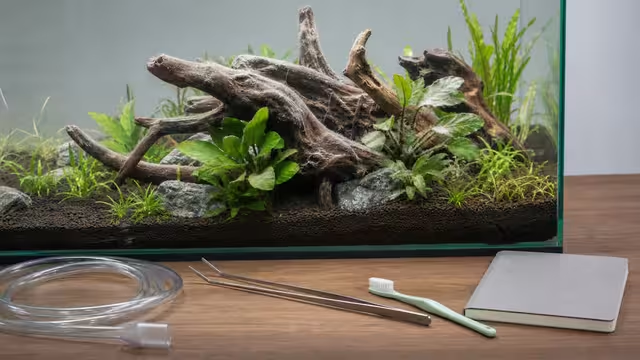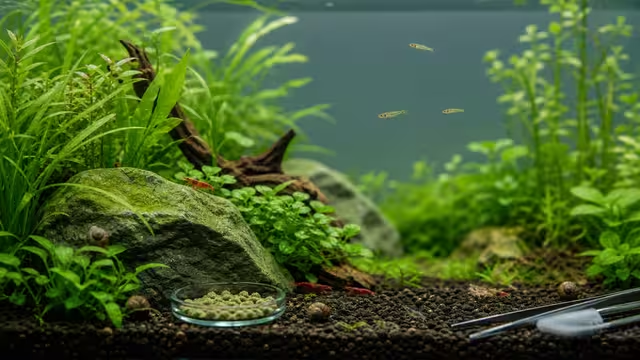
New livestock is exciting, which is exactly why many mistakes happen on arrival day. Fish, shrimp, and snails may be stressed from shipping, store tanks, bag water, temperature shifts, and unfamiliar chemistry. Plants can carry pests, algae, eggs, or hitchhikers. A careful introduction protects both the newcomer and the established aquarium.
Quarantine and acclimation are not rituals for experts only. They are practical risk controls.
Why Quarantine Helps
A separate quarantine setup gives you time to observe behavior, appetite, breathing, external issues, and waste without exposing the display tank. It also lets new animals recover from transport in a simpler environment.
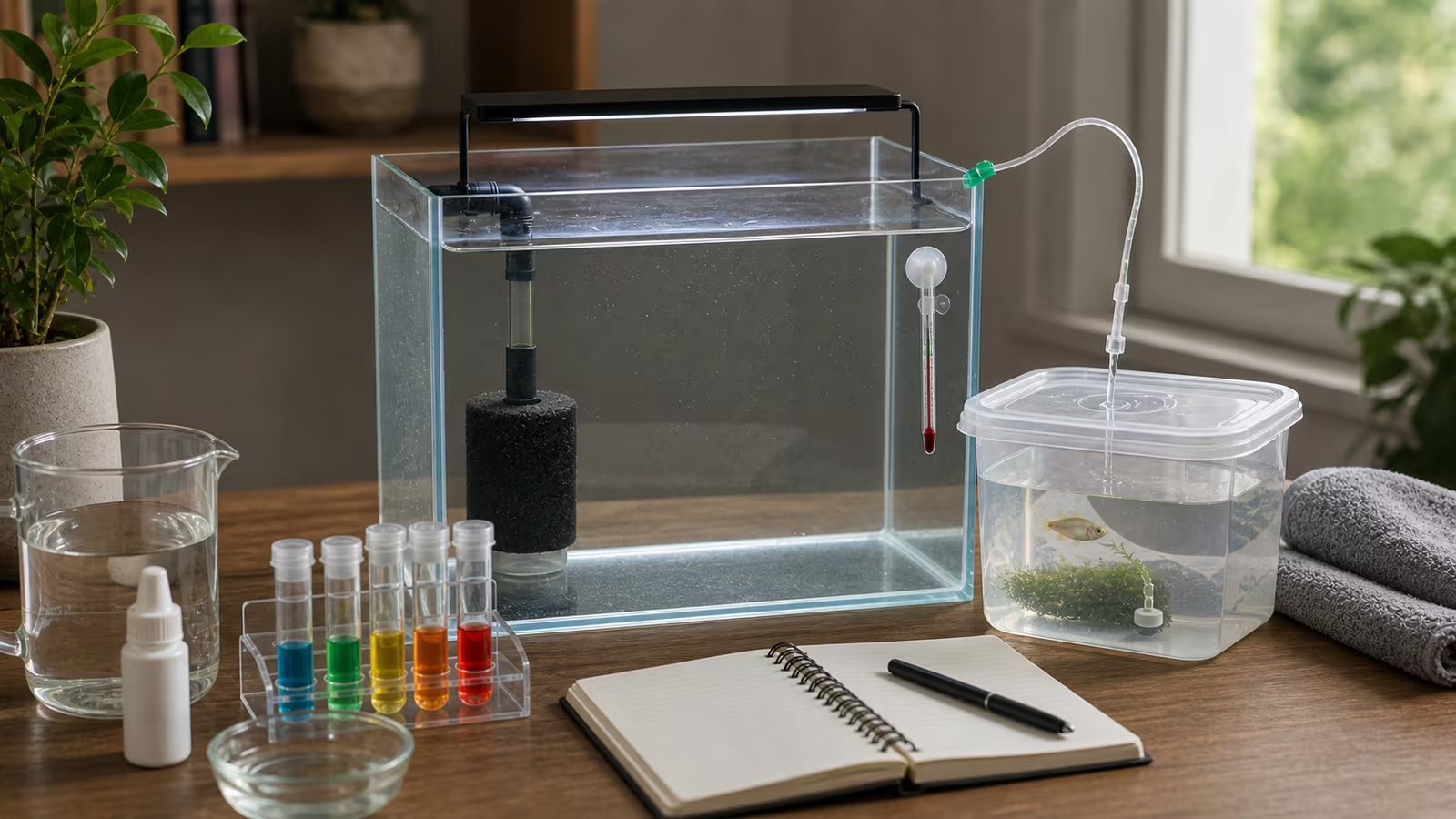
Quarantine does not have to be decorative. It should be cycled or otherwise managed safely, heated if the species needs it, covered where appropriate, filtered gently, and easy to observe.
Acclimation Basics
Match temperature first. Then consider chemistry differences, especially for shrimp and sensitive species. Drip acclimation may be useful in some cases, but it is not a magic spell. Long acclimation in dirty shipping water can be harmful, so source and timing matter.
Never pour store or shipping water into the display tank if you can avoid it.
Plants Need Intake Too
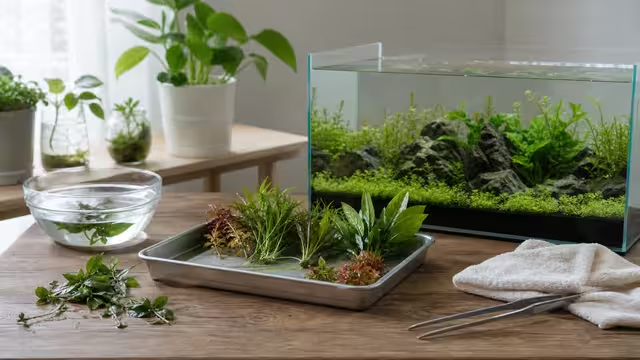
Inspect plants before adding them. Remove dead leaves, check for snails or eggs if that matters to your plan, and follow legal and responsible handling practices. Plant dips are sometimes used, but they can damage plants or harm hitchhikers; research before using any chemical approach.
Common Mistakes
- Adding new animals directly to a mature display tank.
- Skipping temperature matching.
- Trusting that a clean-looking store tank has no risk.
- Mixing bag water into the aquarium.
- Treating all symptoms with random medications.
Related Fondsites Path
- Plant Before Fish Plan for sequencing.
- Water Testing for Aquascapes for arrival-day checks.
- When to Call a Specialist for escalation.
Try This Next
Before buying livestock, prepare a simple arrival checklist: quarantine space, thermometer, lid, test kit, net, observation notes, and a plan for the bag water.