A power outage turns a planted aquarium from a display into a time-management problem. The filter stops moving water. The heater stops maintaining temperature. Lights go out. CO2 equipment may stop or restart depending on the setup. Oxygen conditions begin to depend on tank size, stocking, temperature, plant mass, surface movement before the outage, and how long the interruption lasts. A calm plan matters because frantic improvisation can cause more harm than the outage itself.
Most aquariums can handle a short interruption if they were healthy beforehand. Trouble grows when the tank is heavily stocked, warm, overfed, poorly oxygenated, recently disturbed, or dependent on equipment that is hard to restart. The plan is not to make the tank invincible. It is to buy time safely and restart the system without shocking the animals or damaging the filter biology.
Oxygen Comes Before Appearance
When filters and surface movement stop, gas exchange slows. Fish, shrimp, snails, bacteria, and plants all use oxygen. Plants produce oxygen only when photosynthesizing with enough light, and during darkness they respire like the rest of the tank. A lush aquascape can look alive while oxygen becomes the limiting factor.
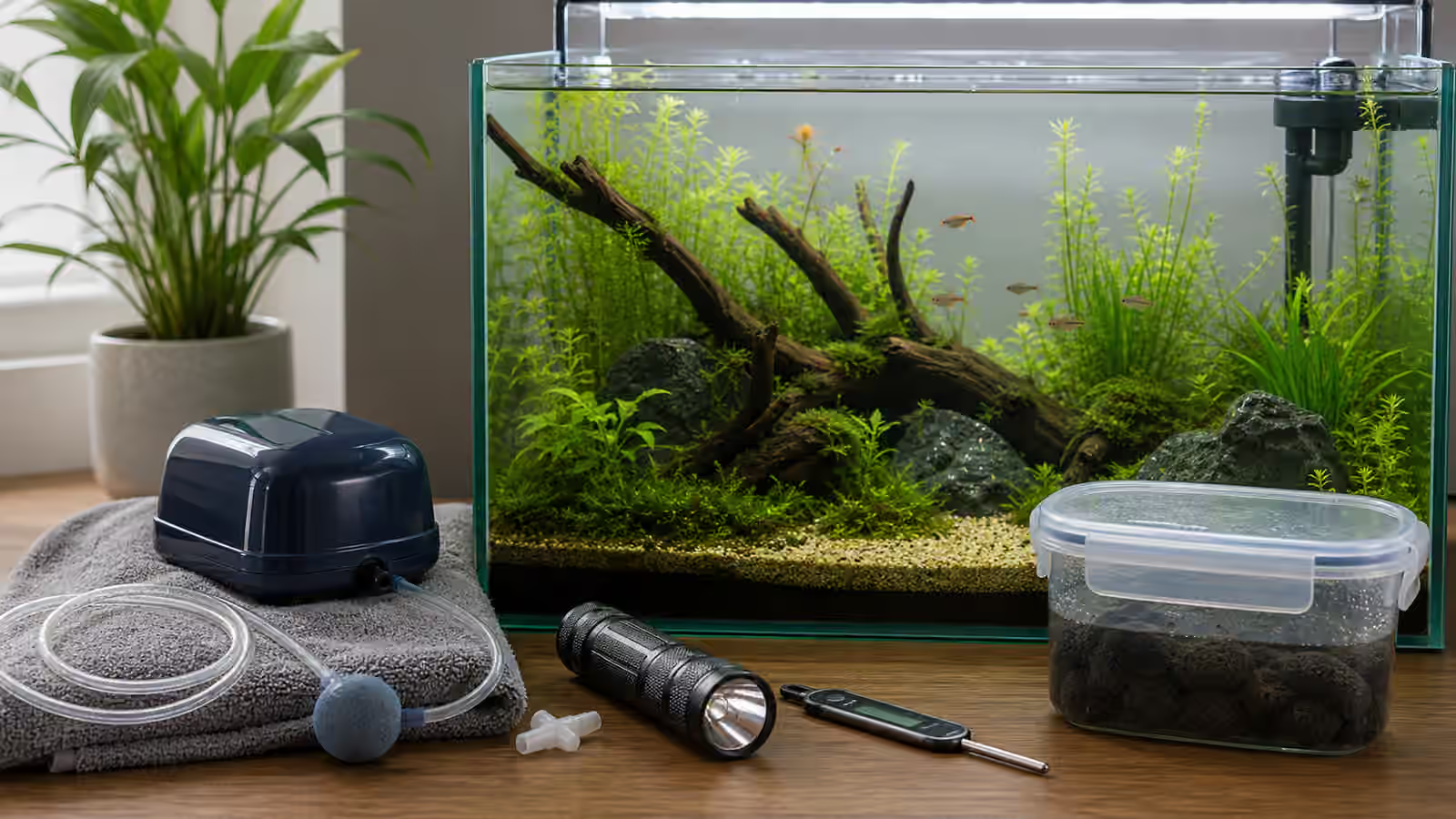
A battery air pump is one of the simplest outage tools. It does not need to run the whole filtration system to help. An air stone or sponge filter powered by battery aeration can move the surface and add oxygen. In a heavily stocked tank, that may matter more than preserving the polished aquascape look. Store the pump, airline, air stone, batteries, and check valve where they can be found in the dark.
Surface Film and Gas Exchange in Planted Tanks is a useful companion because an aquarium that normally runs with a stagnant surface has less margin when power stops. Good everyday gas exchange makes outage response easier.
Temperature Is A Slow Risk
Temperature usually changes more slowly than oxygen, but it can become serious during long outages, cold rooms, hot rooms, or small tanks. Nano aquariums swing faster because they hold less water. A large aquarium on a stable stand may hold temperature longer, but it is not immune.
Use a thermometer and avoid guessing. In cold conditions, insulation around the tank can slow heat loss, but do not block all air exchange or create unsafe contact with equipment. In hot conditions, room cooling, shade, and gentle aeration may matter. Do not pour hot water, ice, or untreated water directly into the display as a panic correction. Rapid swings can be worse than a gradual drift.
Heater, Thermometer, and Electrical Safety covers the ordinary safety habits that become more important during a restart. A heater that was exposed by evaporation or a low water level should not simply be trusted when power returns. Check the waterline and equipment placement before walking away.
Filter Media Must Stay Wet And Oxygenated
Beneficial bacteria live on surfaces, including filter media, substrate, hardscape, and plants. During an outage, filter media can become a problem if it sits stagnant and oxygen-poor for a long time. The goal is to keep it wet and avoid creating a foul, anaerobic pocket that later dumps into the tank.
For a short outage, leaving the filter closed may be fine, especially if it remains full of water. For longer interruptions, the best action depends on filter type and duration. Some keepers move media into a container of tank water with battery aeration. Others avoid opening equipment unless necessary. The important principle is caution at restart. If filter water smells rotten after a long outage, do not blast it into the display without assessment.
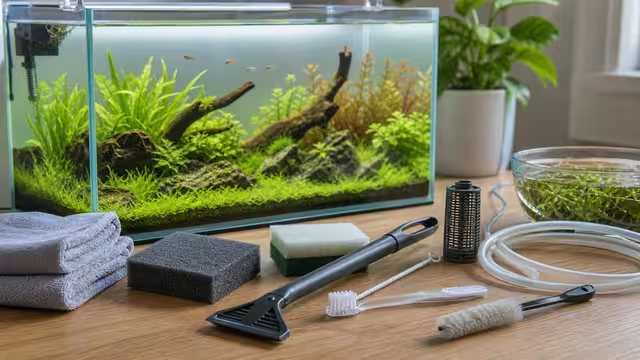
Filter Media Maintenance Without Losing the Cycle gives the normal version of this idea. Media should stay wet, biological surfaces should be protected, and cleaning should not destroy the very bacteria that keep ammonia and nitrite controlled.
Stop Feeding Until Stability Returns
Feeding during an outage is usually a mistake. Food adds waste, waste demands oxygen and biological processing, and the filter is not moving water normally. Healthy fish can usually miss a meal more safely than they can tolerate decaying food in a low-oxygen tank. Shrimp and snails grazing on biofilm do not need emergency extras because the lights are out.
Resume feeding only after equipment is running, temperature is stable, and livestock behavior looks normal. Even then, feed lightly. Feeding Without Polluting the Tank is not only a routine guide. It becomes an emergency principle when the tank’s processing capacity is reduced.
If a caretaker is involved while you are away, outage instructions should be simple. Do not feed during a power failure. Do not reset equipment randomly. Do not add chemicals. Call or message if animals are gasping, water is leaking, or equipment is unsafe. Vacation Care for Planted Tanks helps with that kind of delegation.
CO2 And Restart Timing
CO2 systems deserve special attention because they can restart differently from lights and filters. In a power cut, a solenoid may close if it is powered correctly, but not every setup is built the same. When power returns, CO2, lights, and filtration should come back in a sensible order. Injecting CO2 into still water is not a safe goal.
The safest ordinary design uses timers and equipment routing that fail predictably. CO2 should not run without water movement. Lights should not create long, irregular photoperiods after flickering power. If the outage happened near the end of the day, it may be better to let the tank return to its normal schedule rather than forcing extra light to make up for lost time.
CO2 Tuning for Stable Planted Tanks covers the stability mindset. CO2 is not only a plant-growth tool. It is a gas that affects animals and pH behavior, so outage recovery should be deliberate.
Water Changes During And After An Outage
A water change can help after an outage if tests show ammonia, nitrite, excess waste, or other water-quality concerns. It can also add stress if the replacement water is poorly matched, cold, untreated, or rushed. The decision should come from evidence: test results, livestock behavior, smell, and what happened to equipment.
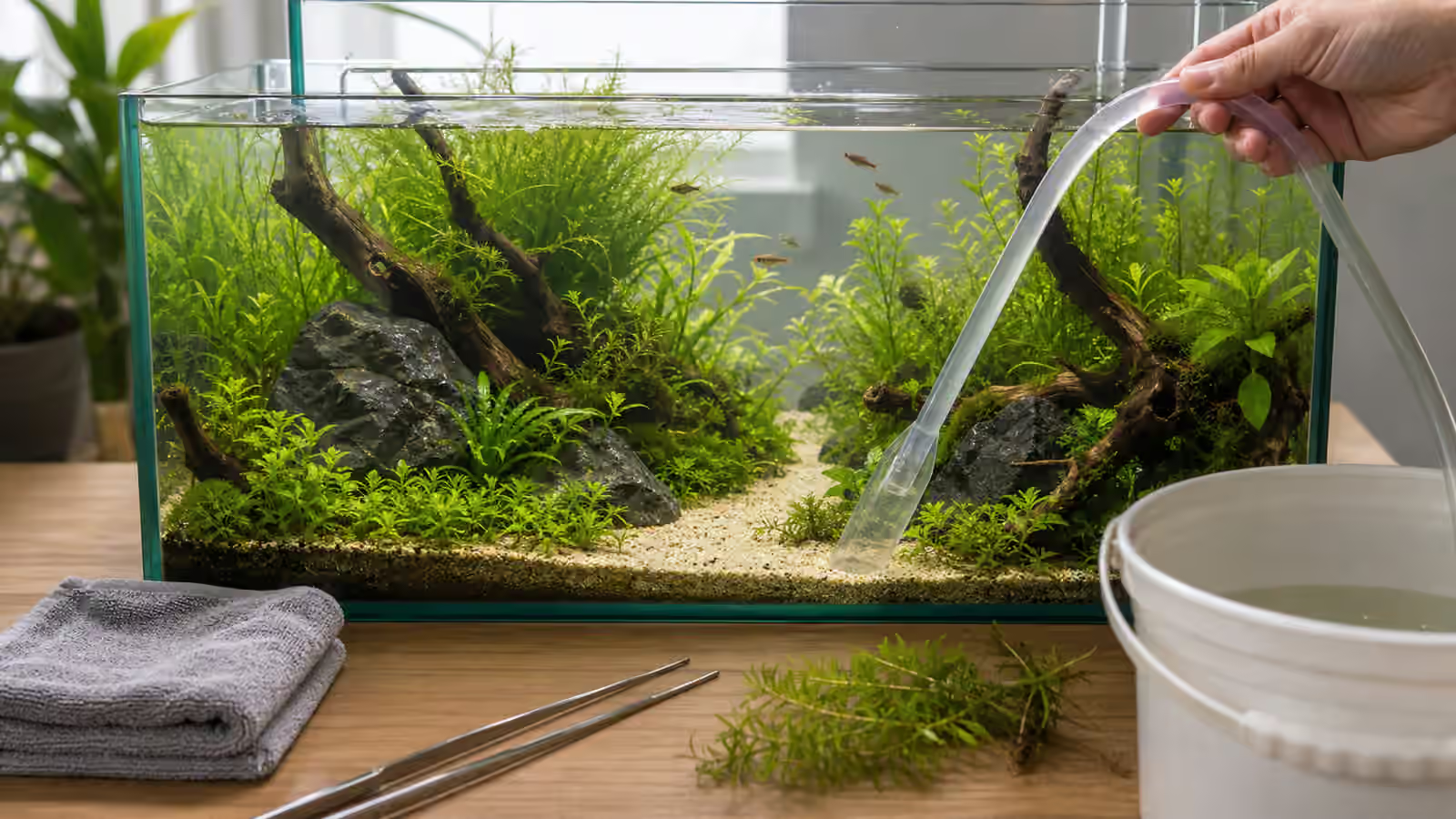
During a long outage, large water changes may be difficult because pumps, heaters, and lights are unavailable. Prepared water, a safe siphon routine, towels, and a plan for temperature matching give you options. Water Change Rhythm for Planted Tanks is the normal rhythm, but emergency changes should still respect source water and temperature.
Do not stir the substrate aggressively during outage recovery. The tank is already stressed. Remove obvious dead plant material or uneaten food, but avoid turning recovery into a full rescape unless something is physically dangerous. Gravel Vacuuming Around Planted Substrate gives the gentler cleaning approach.
The Restart Walkthrough
When power returns, slow down. Check the floor, stand, outlets, cords, heater, filter, and waterline before assuming the tank is normal. Confirm that the filter actually restarts and that the outlet is moving water. Some filters lose prime and run dry or weakly. Listen for unusual sounds, but do not rely on sound alone.
Watch the surface. Restore ripple and aeration. Check temperature. Test ammonia and nitrite if the outage was long, the tank is heavily stocked, or livestock look off. If the filter has been stagnant for a long time and smells bad, handle it carefully rather than dumping its contents into the aquarium. Keep animals under observation for the next day because stress can show after the lights are back.
Record what happened. How long was the power out? Which equipment restarted correctly? Did the battery pump work? Were batteries fresh? Did the tank temperature move? Did any livestock show stress? This note turns an unpleasant event into a better plan.
Preparing Before The Room Goes Dark
An outage kit can be modest. A battery air pump, spare batteries, airline, air stone, flashlight, towel, thermometer, dechlorinator, a clean bucket, and simple written instructions cover many realistic situations. Keep the kit near the aquarium, not buried in a closet where it cannot be found.
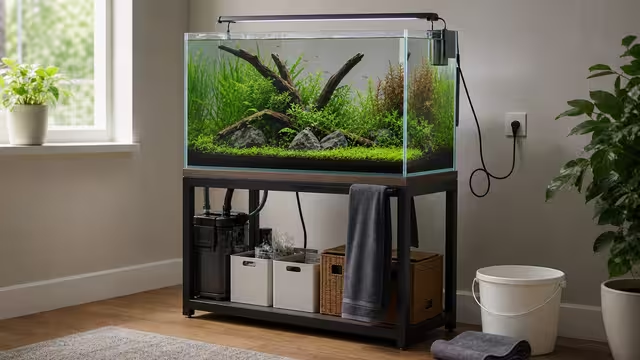
Everyday setup matters too. Use drip loops, avoid wet power strips, keep filters accessible, avoid overstocking, maintain reasonable surface movement, and keep the tank clean enough that a missed filter hour is not instantly dangerous. Aquarium Location, Stand, and Floor Safety is part of outage planning because safe access and dry power are not emergency luxuries.
A planted aquarium should be able to lose power without the aquarist losing judgment. Oxygen first, temperature next, filter biology protected, feeding paused, restart checked, notes kept. That sequence is not dramatic, but it is dependable. In an emergency, dependable is what the animals need.