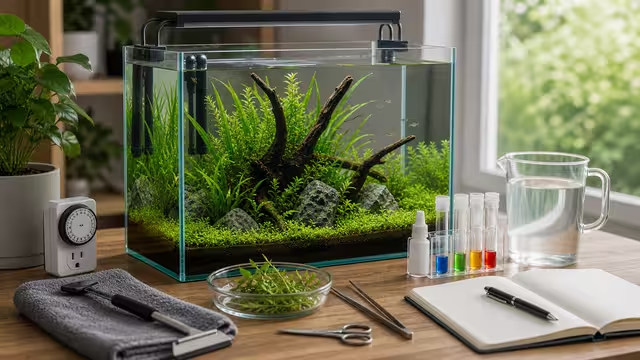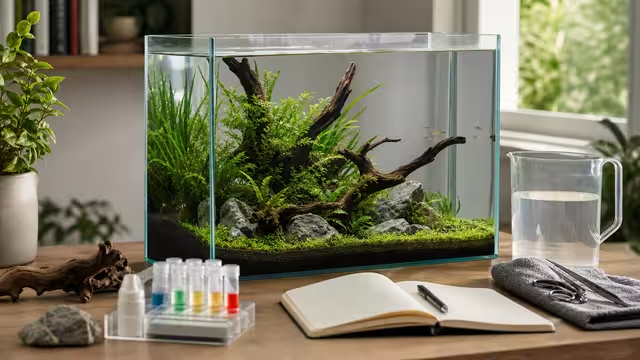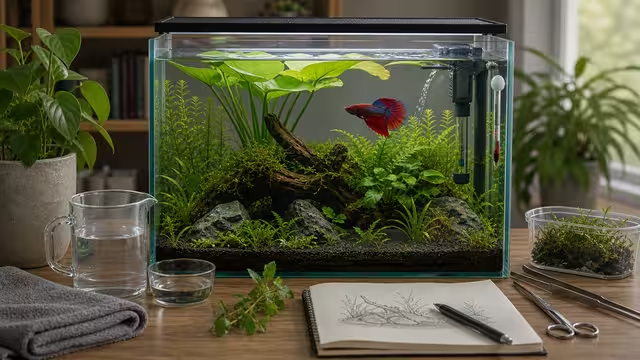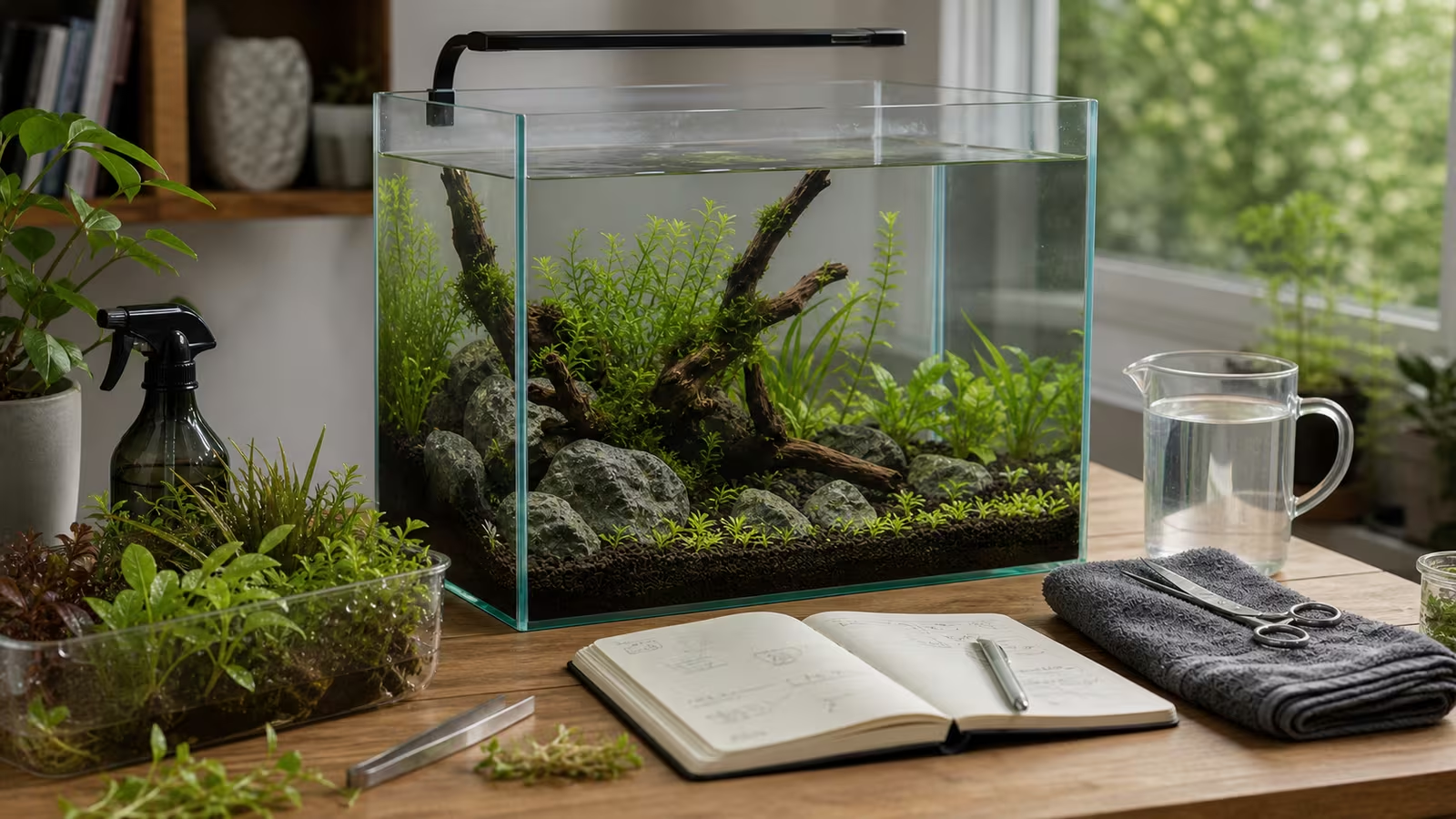
A planted aquarium is not a still-life object. It is a small, changing system with plants adjusting to underwater growth, bacteria colonizing surfaces, water chemistry responding to source water and maintenance, and animals that need stable conditions if you add them. Panic usually begins when someone expects the tank to look finished before the tank has become settled.
The first weeks can look imperfect. Some leaves melt as plants transition from nursery growth to submerged growth. A little algae may appear while light, nutrients, and plant mass find balance. Wood may release tannins. Tiny bubbles can cling to glass. A filter may need its flow adjusted. None of these details automatically mean failure.
What Calm Setup Looks Like
Calm setup means you can explain what changed and why. You know when the light turns on. You know whether the tank is cycling. You know what water was added. You know whether the filter media is new or mature. You know the difference between a plant leaf melting and an animal showing distress.
That information keeps you from changing everything at once. If algae appears and you shorten the light, change fertilizer, deep-clean the filter, replace half the plants, add a cleanup crew, and change the water schedule on the same weekend, the tank cannot teach you which action mattered. A slower response is not laziness. It is better troubleshooting.
A Useful First-Month Standard
| Goal | Good Enough For Month One |
|---|---|
| Water | Tested, conditioned, and changed on a planned rhythm. |
| Plants | Mostly alive, with melting leaves removed and new growth watched. |
| Animals | Not present until the cycle and stocking plan support them. |
| Light | On a timer, moderate, and not extended to compensate for impatience. |
| Maintenance | Simple enough that you can repeat it next week. |
Common Panic Loops
- A plant melts, so the keeper replaces all plants before roots settle.
- A little algae appears, so the keeper buys more animals instead of reducing excess light or food.
- Clear water is mistaken for cycled water.
- Cloudy water triggers a filter-media replacement that removes useful bacteria.
- The tank looks empty, so animals are added before the system is ready.
People-First Planning
The tank has to fit your life. A beautiful setup that needs daily trimming, strict dosing, careful CO2 tuning, and long maintenance sessions may be wrong for a beginner who wanted a peaceful desk garden. Choose a tank that leaves room for missed evenings, travel, learning curves, and slow plant growth.
Related Fondsites Path
- Houseplant Clinic for observing plant change without overcorrecting.
- Clear Water Lab for evidence-first water decisions.
- Pawstead for animal-welfare framing around living things in the home.
- Keepers Guild for maintenance routines and repair boundaries.
Try This Next
Write a first-month definition of success: stable test trends, no rushed livestock, visible new plant growth, safe equipment, and one maintenance rhythm you can repeat. Keep the tank boring enough to become healthy.