New aquarium plants are exciting because they make a tank feel alive before fish or shrimp arrive. They can also carry algae fragments, snail eggs, loose substrate, damaged leaves, pesticide residue from poor handling, or small organisms that are harmless in one tank and unwanted in another. Plant quarantine is not a promise that nothing will ever slip through. It is a pause that lets you inspect what you bought, remove obvious problems, and avoid turning the display tank into the first place where surprises appear.
The habit fits the slow approach that runs through Aquascape Studio. A planted tank is easier to manage when each new thing has a short observation period before it joins the system. That is true for animals in Quarantine and Acclimation Basics , and it is also true for plants. Plants do not need the same welfare handling as fish or shrimp, but they still deserve careful treatment because they are living material entering a closed aquarium.
What The Pause Is For
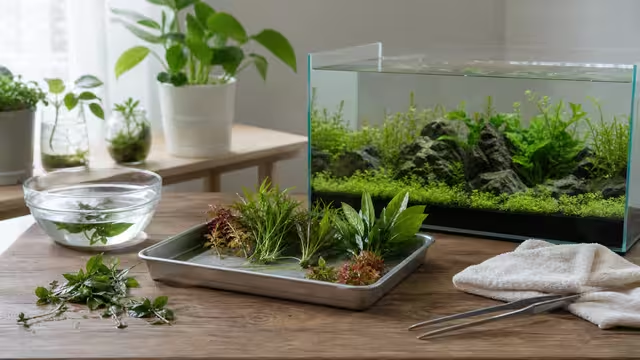
The first goal is simple visibility. Plants shipped in bunches or cups often arrive packed tightly, so you cannot judge them while they are still banded, wrapped, or covered in gel. Floating them in clean conditioned water or holding them in a separate container gives leaves and roots room to open. It also gives you a better look at the crown, rhizome, stems, and lower leaves where decay and eggs are easiest to miss.
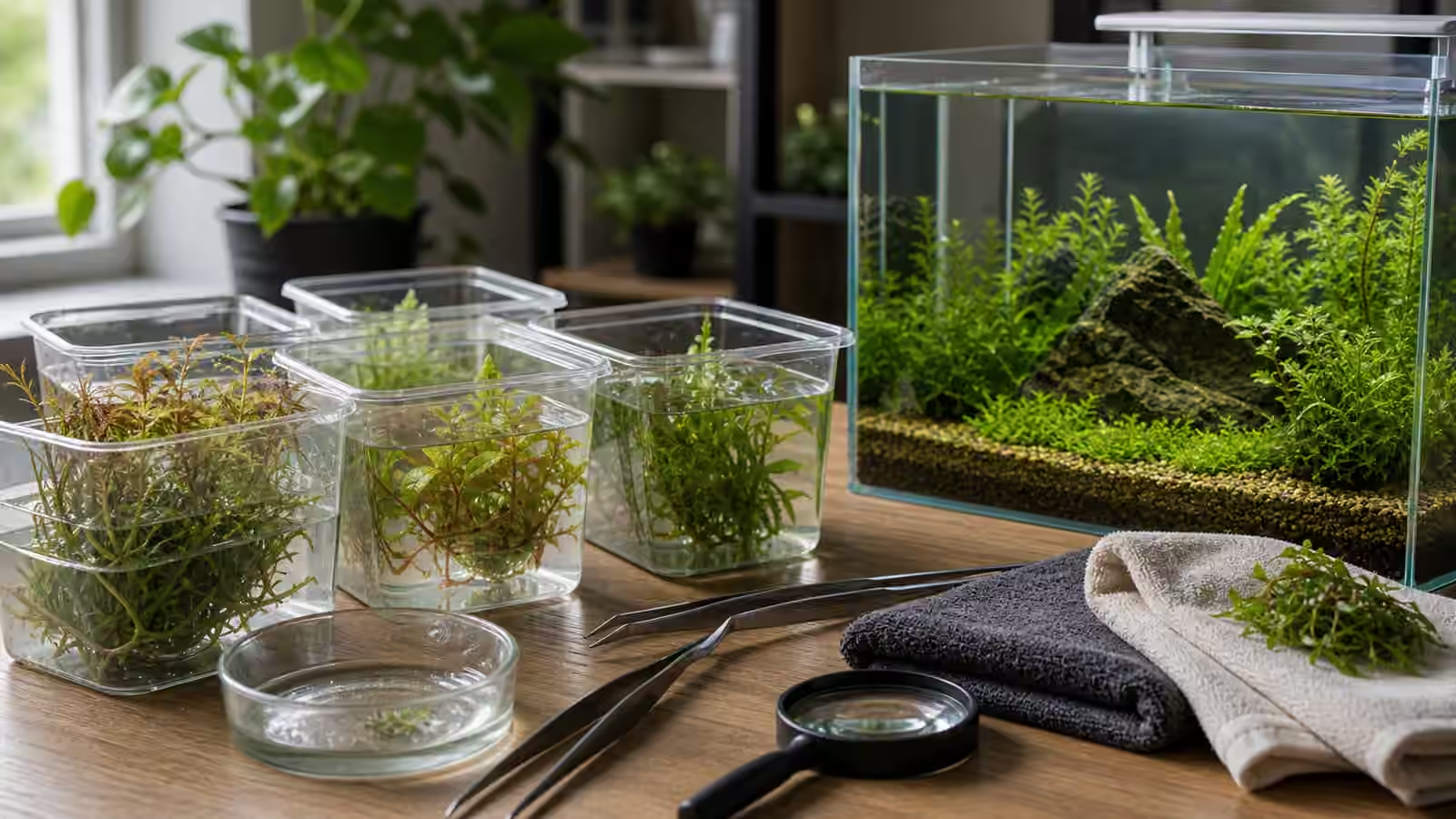
The second goal is separation. A display tank has substrate, hardscape, filter intakes, moss, roots, and livestock hiding places. Once a tiny snail egg clutch or algae strand reaches that environment, removal becomes harder. In a clear bowl or small quarantine container, you can see shed leaves, small snails, loose stems, and cloudy water quickly. The container does not need to be elaborate for short inspection. It does need to be clean, aquarium-only, and away from household contaminants.
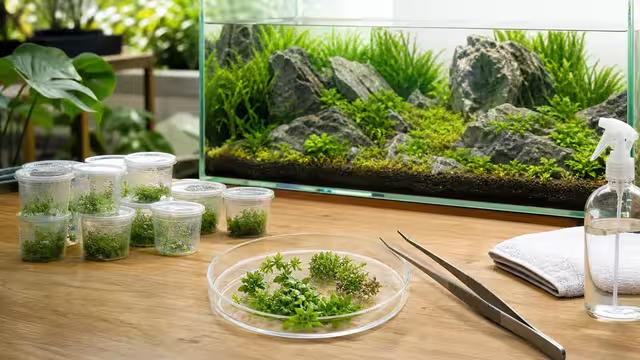
The third goal is source awareness. A sealed tissue-culture cup has different risks from a bunch of stems pulled from a shop tank. A plant from a trusted local hobbyist has different risks from an unknown marketplace shipment. None of those sources is automatically perfect or automatically unsafe, but they call for different patience. The weaker the source information, the more useful a short rest and inspection become.
Reading The Plant Before Cleaning It
Start by looking before you start tearing things apart. Healthy aquatic plant leaves can still be bruised from shipping, and some plants naturally shed old emersed leaves after they are submerged. Crypts, for example, can melt after planting and still recover from the roots. The useful question is not whether every leaf looks perfect. The useful question is whether the plant has sound growing points, firm roots or rhizomes, and enough healthy material to make sense in your tank.
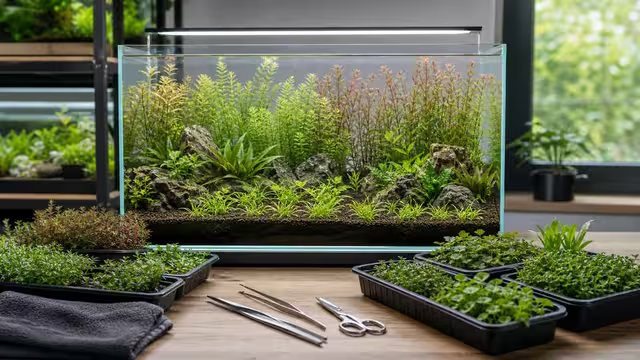
Separate stems gently. Remove rubber bands, metal weights, foam, rock wool, and packaging only as far as the plant type allows. Rooted plants can usually be freed from packing material with patience and tweezers. Rhizome plants such as Anubias and Java fern should be handled so the rhizome is not crushed or later buried, a point covered more directly in Epiphyte Plants: Anubias, Java Fern, and Friends . Moss needs a different touch because tiny fragments break away easily and can travel wherever water moves.
Do not confuse trimming with punishment. Soft, translucent, broken, or clearly rotting leaves should be removed before planting because they will decay in the tank. Firm older leaves that are only a little marked can remain if the plant needs photosynthetic surface while it adjusts. Heavy-handed cleaning can leave a weak plant with too little energy to recover. A careful editor removes what is failing and leaves what is still useful.
Hitchhikers Without Panic
Snails, eggs, tiny worms, seed shrimp, algae filaments, and duckweed fragments are common enough that seeing them should not become a crisis. Some hitchhikers are useful grazers or harmless signs of a living plant source. Others are simply unwanted in a particular display. The decision depends on your tank goals, local disposal rules, and whether you can identify what you found.
Snails are a good example. Snails in Planted Tanks treats them as livestock and signals, not as automatic enemies. A few small snails often reveal feeding and maintenance patterns later. Still, if your goal is a snail-free display, quarantine is the best time to remove visible animals and egg clusters by hand. Once they are in moss or behind hardscape, you are working inside a much larger maze.
Algae deserves the same calm. A single strand on a new plant is not proof that the plant is ruined. It is a reason to remove the strand, inspect the rest, and avoid adding a large algae mass to a tank that is already fighting imbalance. If the display tank is young, brightly lit, and sparsely planted, even a small import can gain momentum. The better prevention is still the larger balance described in Algae Prevention Basics : controlled light, healthy plant mass, restrained feeding, and regular maintenance.
Dips, Rinses, And The Case For Restraint
Plant dips are often discussed as if they are a magic boundary between safe and unsafe. In practice, any dip strong enough to affect pests can also stress plants, and the correct choice depends on plant species, concentration, exposure time, and what you are trying to remove. Some delicate plants handle aggressive treatment poorly. Mosses, liverworts, fine stems, and sensitive tissue-culture plants can be damaged by methods that tougher leaves survive.
For many beginners, the safer first routine is inspection, gentle rinsing, and short observation in separate water. That routine will not sterilize the plant, but it catches a lot of visible trouble without turning plant prep into a chemistry experiment. If you choose to use a dip, use an aquarium-specific method from a reliable source, measure carefully, rinse thoroughly in conditioned water afterward, and avoid improvising with household products. Do not put treated plant water into the display tank.
A clean rest container also helps you read plant response. If water clouds badly, leaves turn soft, or a plant smells rotten after a short hold, you have learned something before the display tank carries the mess. If the plant opens, holds color, and sheds only minor damaged leaves, it is a better candidate for planting. This is especially useful when the main tank already has shrimp, fry, or delicate livestock.
Planting After Quarantine
Quarantine ends with placement, not with dumping. Think about where the plant belongs before it touches the substrate. Rooted plants need enough depth and access to nutrients. Rhizome plants need attachment points. Moss needs a way to stay controlled. Floating plants need open surface space so gas exchange and feeding access remain possible. Matching the plant to the tank keeps the inspection work from being wasted.
Planting is also the moment to avoid importing container debris. Lift the plant, inspect it one more time, and leave the holding water behind. If you are adding several new species, plant them in readable groups instead of scattering every stem randomly. Clear grouping helps you notice which plant adapts, which melts, and which becomes an algae magnet later. It also improves composition, because the display reads as intentional rather than like a shipping bag emptied into glass.
Keep notes for the first two weeks. Record the source, date, plant name if known, and what you observed during quarantine. If a mystery snail population appears later or a plant melts hard, the note gives you context. The point is not blame. The point is evidence. A small record helps you choose better sources, adjust quarantine length, and decide when a bargain plant was not actually a bargain.
A Practical Standard
A good plant quarantine routine is modest. It asks for clean containers, conditioned water, gentle tools, a bright enough place to inspect, and enough patience to avoid rushing plants from bag to display. It does not need to become a laboratory. It does not need to make every plant perfect. It only needs to reduce avoidable surprises while respecting the plant, the livestock, and the local environment.
When the display tank is still cycling, use that waiting period well. Rest and inspect plants while beneficial bacteria establish, while light is being tuned, and while the hardscape is still easy to adjust. The tank may look empty for a few more days, but those days can prevent weeks of chasing problems that were easier to see in a bowl on the workbench.