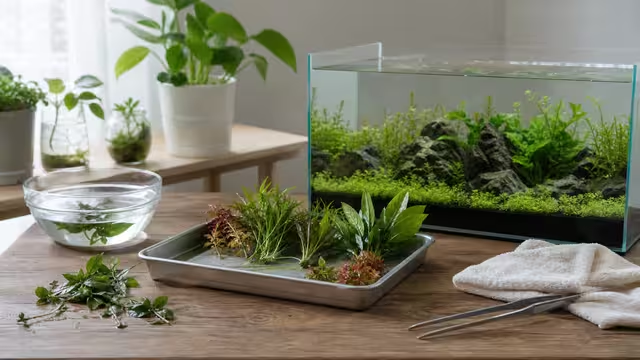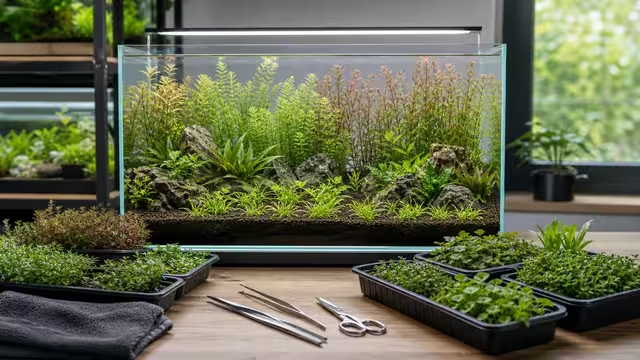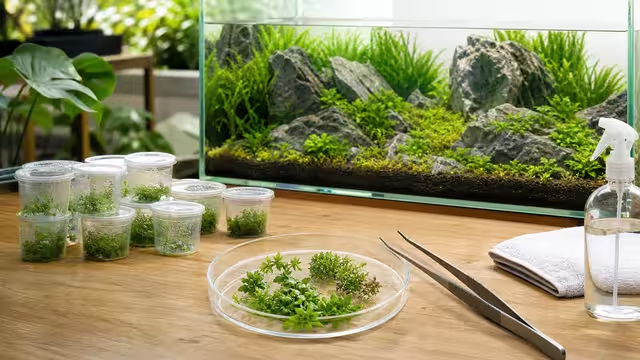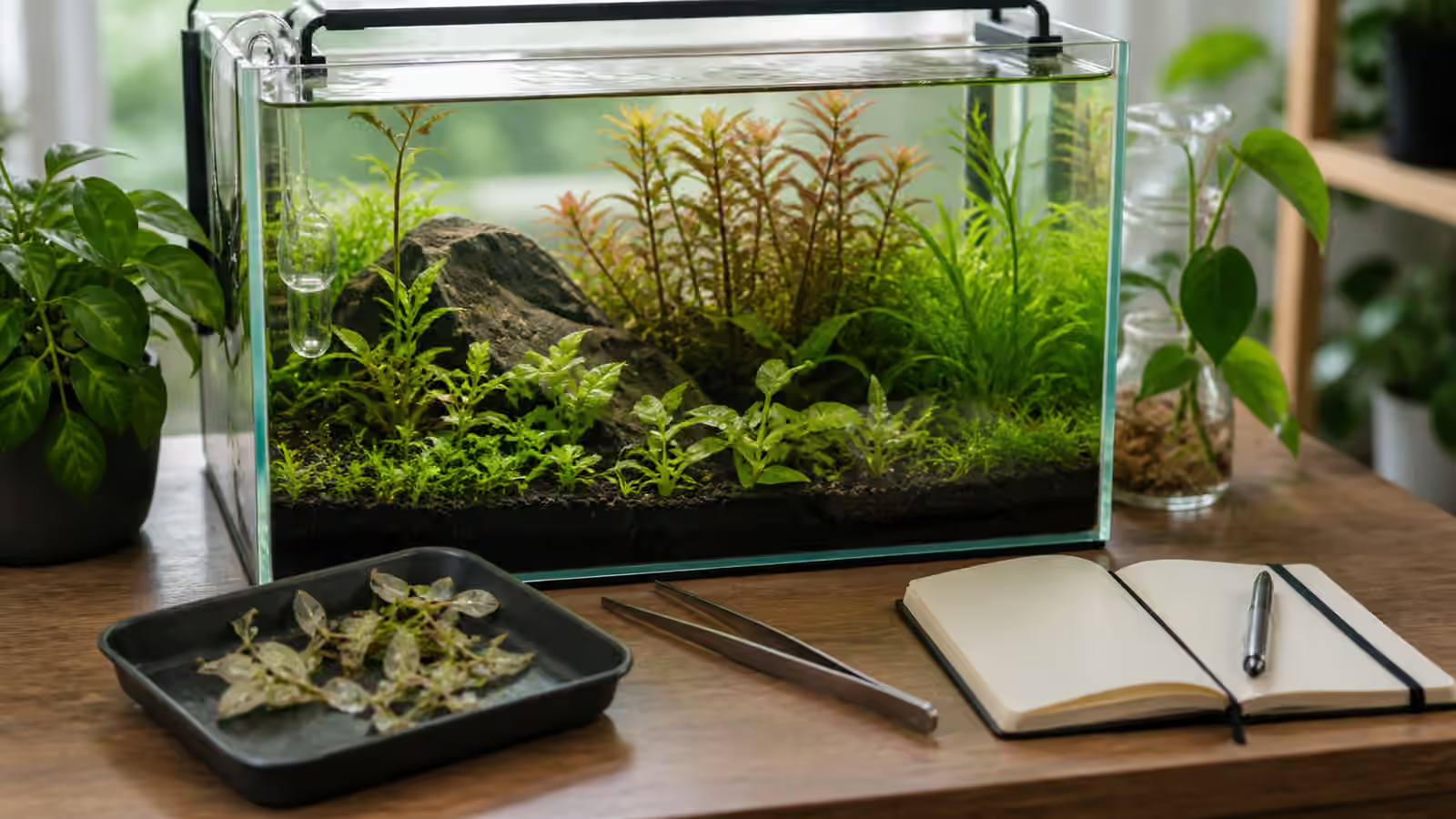
Aquarium plant melt can look worse than it is. A plant that seemed healthy in the shop may turn translucent, drop leaves, or collapse at the edges after it enters a new tank. The aquarist sees soft stems and assumes the plant is dying, the light is wrong, the fertilizer is wrong, or the whole aquascape needs to be rebuilt. Sometimes there is a real problem. Often there is also a transition story.
Many aquarium plants are grown emersed, with leaves adapted to humid air rather than underwater life. When those plants are submerged, old leaves may fail while new submerged growth begins. Shipping stress, temperature changes, rough planting, weak roots, new water chemistry, and young tank instability can all add to the loss. The task is to tell normal adjustment from avoidable decline, then respond without making the plant restart every two days.
Look For The Growing Point
The first useful question is not whether the oldest leaves look bad. It is whether the plant still has a living growing point. A crypt with melting leaves may recover from a firm crown and roots. A sword plant may lose some leaves while keeping a healthy center. A stem plant may fail at the base but still have usable healthy tips that can be replanted. A rhizome plant may lose leaves while the rhizome remains firm and green.
Soft black crowns, mushy rhizomes, foul smell, and total stem collapse are more concerning than a few translucent leaves. Old emersed leaves often look wrong before they drop. New submerged leaves are usually smaller, thinner, differently shaped, or differently colored. That difference can be reassuring if the plant is still producing fresh growth.
Beginner Aquarium Plants That Forgive Mistakes is useful because forgiving plants are not plants that never react. They are plants that can recover from ordinary beginner conditions when the tank is otherwise stable. Even forgiving plants need time to shift from purchase condition to aquarium condition.
Remove Decay Without Stripping The Plant
Melted leaves should not be left to rot indefinitely. Soft tissue breaks down, clouds water, feeds debris, and can settle into substrate or moss. Use clean aquarium scissors or tweezers to remove leaves that are clearly failing. Siphon loose fragments during maintenance. This is especially important in small tanks, where decaying plant mass has less water volume to disappear into.
At the same time, do not turn trimming into punishment. If a plant is already stressed, removing every imperfect leaf can leave it with too little photosynthetic surface. Firm leaves with minor marks may still help the plant recover. A careful approach removes the leaves that are melting, detached, or slimy, while leaving working tissue in place.
Plant type matters. Stem plants can often be topped and replanted if the lower portion is failing. Crypts and swords usually need the crown protected. Rhizome plants should not have their rhizomes buried while the aquarist tries to hide damage. The guidance in Epiphyte Plants: Anubias, Java Fern, and Friends is especially relevant when melt appears on slow rhizome plants.
Stop Moving The Plant Every Day
The most common recovery mistake is constant relocation. A plant melts, so it is moved to brighter light. Then it is moved to shade. Then it is pulled up to inspect roots. Then fertilizer is changed. Then the photoperiod changes. Each move interrupts root attachment and makes the plant spend energy adapting again.
Choose a reasonable position based on the plant’s needs, plant it correctly, and then give it time. Rooted plants need substrate contact and enough depth to stay anchored. Rhizome plants need attachment without burial. Stem plants need enough light and flow that lower leaves are not sealed in darkness. Floaters need surface room and should not block the whole tank.
If the tank is young, patience matters even more. A newly cycled aquarium may have unstable nutrients, immature biofilm, and changing algae pressure. The plant is adapting to water and the tank is adapting to being planted. That does not mean ignore obvious problems. It means do not confuse every imperfect leaf with a demand for a new system.
Read Light And Nutrients Together
Melt is often blamed on either light or fertilizer, but those inputs work together. Strong light on a weak new plant can drive algae and stress before the roots and submerged leaves are ready. Too little light can starve demanding plants. Heavy fertilizer in a sparsely planted young tank can add confusion. No fertilizer at all may hold back root feeders in inert substrate.
Light Balance for Aquatic Plants and Fertilizing Aquatic Plants Without Overdoing It should be read as a pair. A recovery plan should keep the photoperiod consistent, avoid extreme intensity, and use a simple nutrient routine that can be observed. Changing both every time a leaf fails makes the plant harder to understand.
Plant mass also matters. A tank with only a few small plants under bright light leaves algae plenty of room to use the energy. Adding more appropriate plants can be better than demanding perfection from one struggling specimen. In a low-tech tank, healthy moderate plant mass often stabilizes the system more than a single rare plant that needs conditions the tank cannot provide.
Source And Preparation Affect Recovery
Some melt begins before the plant reaches your tank. Plants may be shipped cold or hot, stored under weak light, crowded in a shop, or grown in forms that must transition. Tissue culture cups may arrive clean but tiny, with plants that need careful rinsing and gentle planting. Bunched stems may arrive with damaged lower leaves hidden under bands or foam.
Plant quarantine and inspection help because they make the starting condition visible. Plant Quarantine and Pest Inspection is not only about pests. It is also about noticing damaged crowns, rotting stems, poor roots, and plants that need trimming before they enter the display. A short pause can prevent a weak plant from becoming an invisible decay source behind hardscape.
Good notes help here. Record the date, plant name if known, source, whether it was emersed, and what changed during the first two weeks. If a species repeatedly melts in your tank while others thrive, the pattern may show a mismatch rather than a mystery.
Recovery Is A Slow Editorial Process
The best recovery plan is usually modest. Remove decaying tissue. Keep the plant correctly placed. Maintain steady light. Use a measured fertilizer routine. Keep water changes predictable. Watch for new growth rather than demanding that old leaves heal. Old melted leaves do not become perfect again. New growth tells the more useful story.
If the plant continues to fail, make one change at a time. Move it only if the location is clearly wrong. Adjust light only if the tank pattern supports that decision. Add root nutrition only when the plant type and substrate suggest a need. Treat algae as a balance clue, not as proof that the plant should be thrown away.
A planted aquarium becomes calmer when melt is treated as information. Some plants will not adapt. Some will recover after looking terrible. Some will teach you that your tank is better suited to slow epiphytes, floaters, or hardy stems than to delicate carpeting plants. The editor’s job is not to save every leaf. It is to preserve stability long enough for the plant’s real answer to appear.