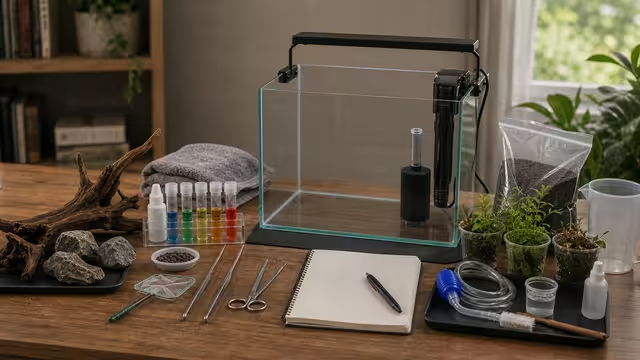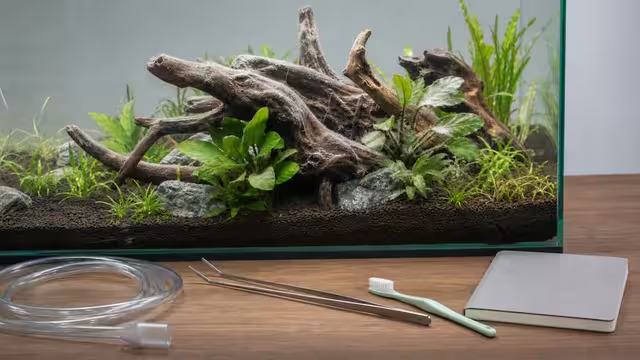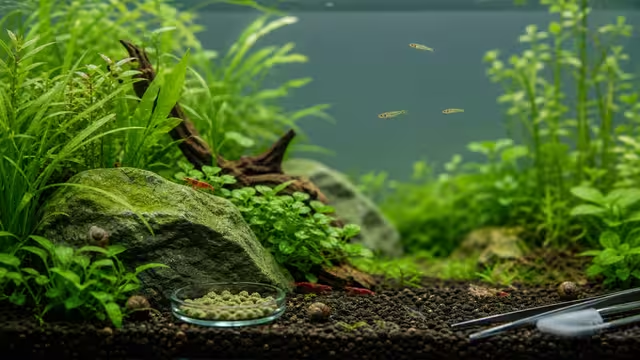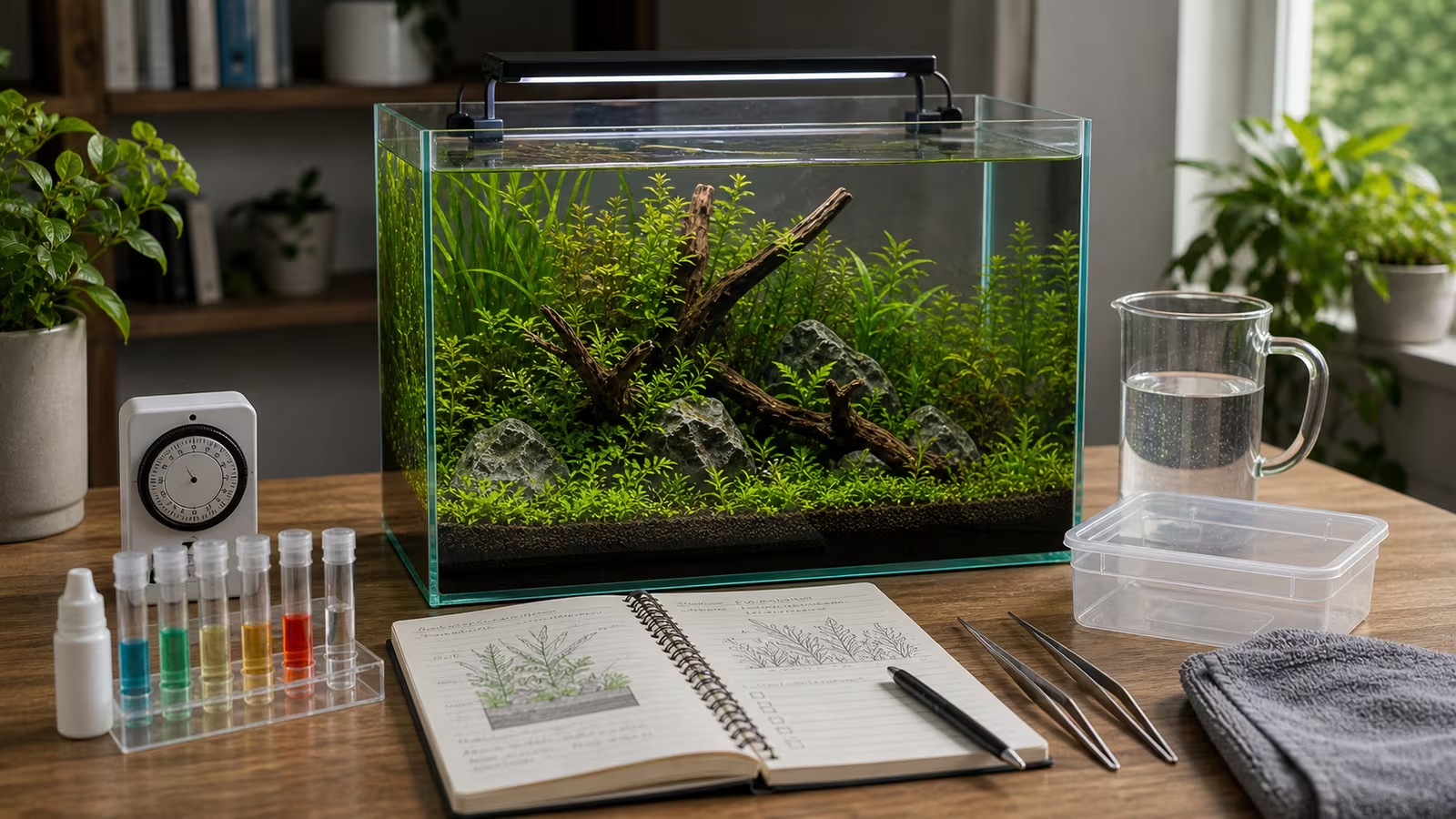
Adding plants before fish gives you time to solve layout and water problems without animals paying the price. You can adjust hardscape, plant density, light, flow, fertilizer, and water-change rhythm while the tank is still a construction site.
The planted aquarium hobby often rewards patience. Waiting is not empty time. It is when roots settle, beneficial bacteria grow, plants reveal which leaves will melt, and your maintenance routine becomes real.
A Gentle Setup Sequence
Start with tank location, stand, leak check, hardscape, and substrate. Plant heavily if the layout allows it. Fill carefully, start filter and heater if used, set the timer, and begin testing. During the first weeks, watch for plant melt, cloudy water, algae, equipment issues, and temperature stability.
Livestock comes later, after the tank can process waste and the keeper has handled several maintenance days.
What Plants Can Do Early
Plants use nutrients, provide surfaces for microbes, and reveal whether light and flow are reasonable. Fast plants and floaters can help stabilize a young system. Slow epiphytes add structure but should not be the only plant mass in a new tank that gets bright light.
What Plants Cannot Do
Plants do not cancel the nitrogen cycle. They do not make overstocking kind. They do not neutralize untreated tap water. They do not guarantee zero ammonia or nitrite. Testing still matters.
Common Mistakes
- Buying fish the same day as the tank.
- Rescaping repeatedly after livestock is already inside.
- Treating plant melt as a reason to add animals quickly.
- Using a vague “the water looks clear” test.
- Skipping quarantine or acclimation planning.
Related Fondsites Path
- Cycling a Planted Aquarium Before Animals for nitrogen-cycle basics.
- Stocking Caution for Small Tanks before choosing animals.
- Quarantine and Acclimation Basics for the arrival plan.
Try This Next
Make a four-week setup calendar with planting, testing, water changes, and observation days. Put livestock shopping after the tank has evidence, not before.