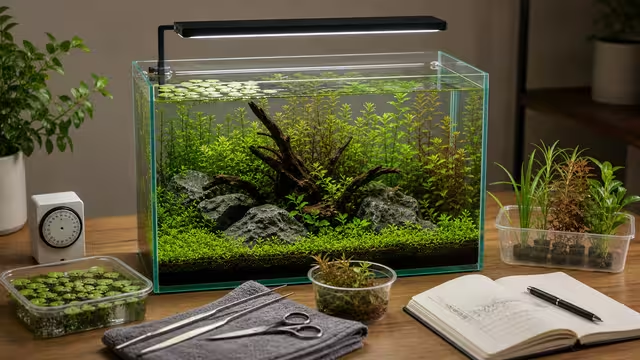
Photoperiod is the amount of time the aquarium light is on. It sounds simple, but it is one of the most common causes of avoidable algae. People want to see the tank in the morning, enjoy it after work, and leave a soft light on at night. Plants and algae experience that as daily energy.
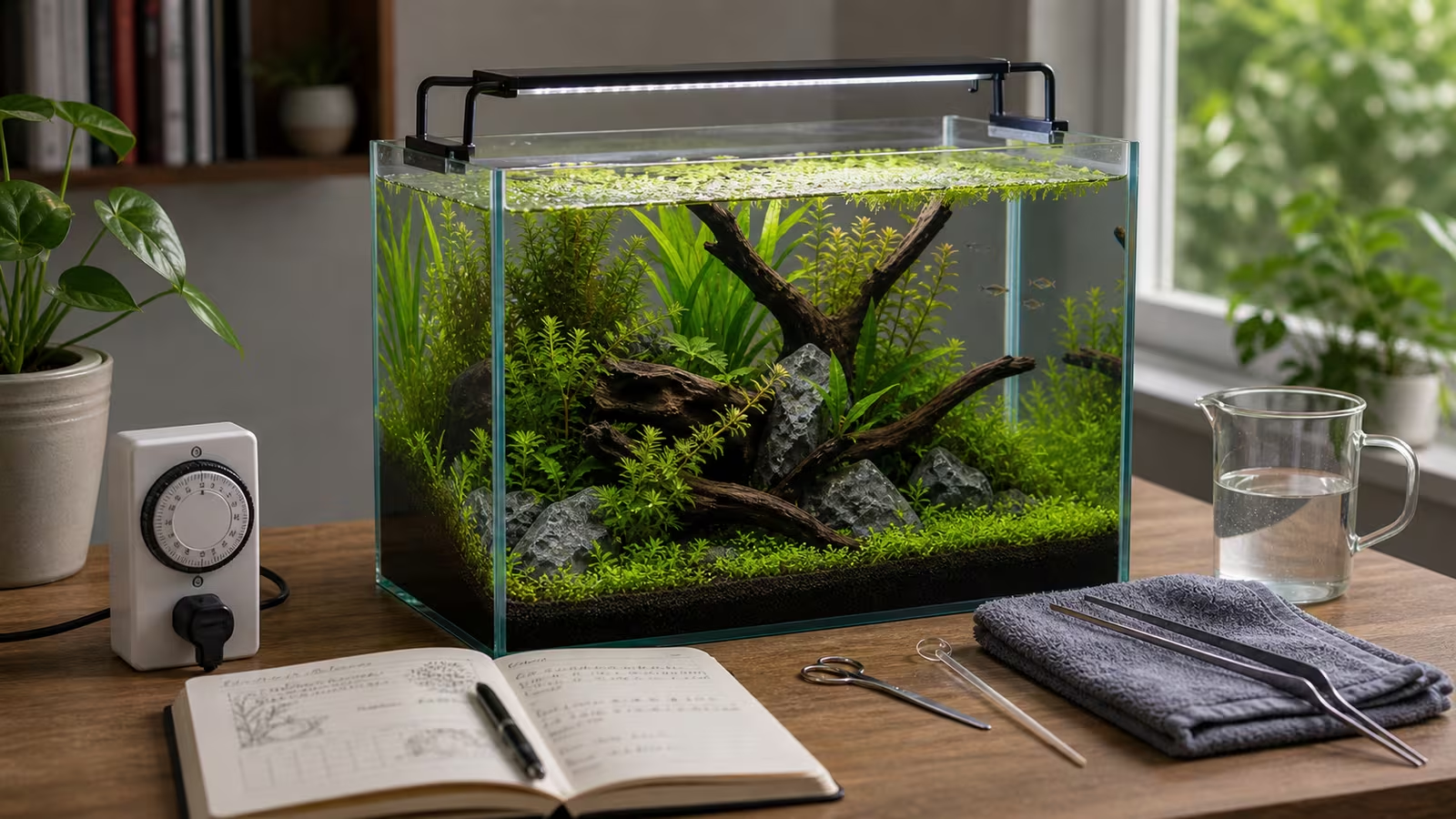
A timer is the simplest upgrade. It makes the light schedule consistent and lets you tune one variable at a time. A tank with a stable eight-hour schedule is easier to understand than a tank that gets four hours one day, twelve the next, and direct sun on weekends.
Pick A Starting Schedule
Many beginner low-tech tanks do better starting with a shorter schedule than the owner expects. You can enjoy the tank during your normal viewing hours without running it all day. If the tank receives direct sun, reduce or block that before blaming fertilizer or plants.
Split schedules can work for household viewing, but they are not magic. The total light and plant response still matter. Keep it simple until the tank is stable.
Timer Checklist
| Check | Why It Matters |
|---|---|
| On/off time | Makes light consistent. |
| Total duration | Controls daily energy input. |
| Dimming level | Helps match fixture power to tank needs. |
| Direct sun | Adds uncontrolled light and heat. |
| Night darkness | Supports animal rest and normal rhythm. |
Common Mistakes
- Turning the light on manually whenever someone enters the room.
- Leaving blue lights on all night.
- Increasing the photoperiod while plants are melting from transition stress.
- Ignoring a window that adds hours of sunlight.
- Changing duration and fertilizer together, then not knowing what helped.
Related Fondsites Path
- Light Balance for Aquatic Plants for the broader light equation.
- Plant Light Matcher for matching plants to the setup.
- Houseplant Clinic for observing window light honestly.
Try This Next
Set the aquarium light to a consistent schedule today. Write the start time, end time, and intensity in your tank log. Do not judge the change until the tank has had time to respond.