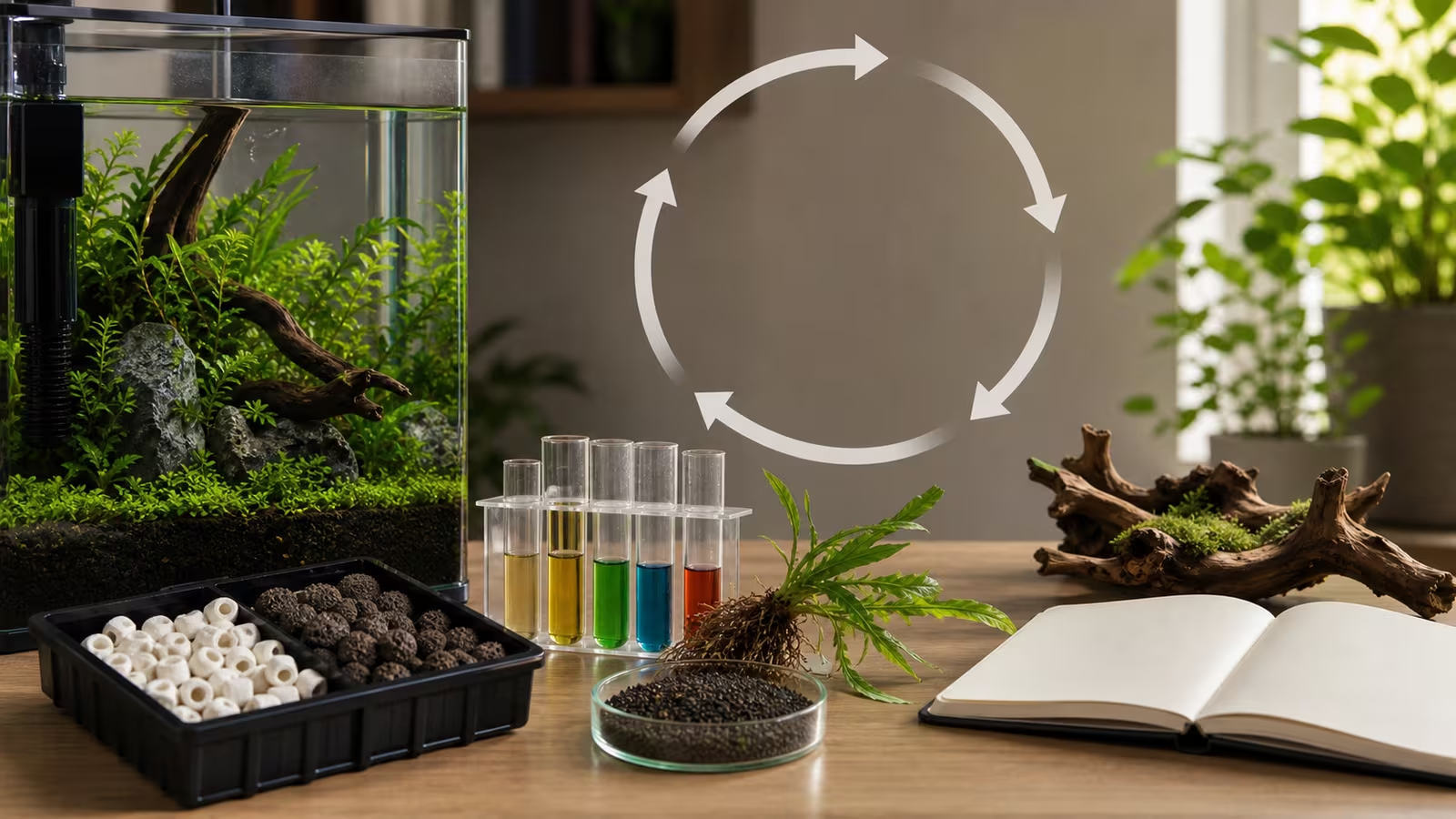
The nitrogen cycle can sound like hidden chemistry, but the practical idea is simple: food and waste break down, harmful compounds can appear, and useful microbes living on surfaces help process those compounds. In a planted aquarium, plants also participate, but they do not erase the need for filtration, testing, and stocking restraint.
The mistake is treating the cycle as a product you buy once or a week you wait through. It is a living process that can be damaged by deep cleaning, neglected by overstocking, or strained by sudden changes.
Where The Cycle Lives
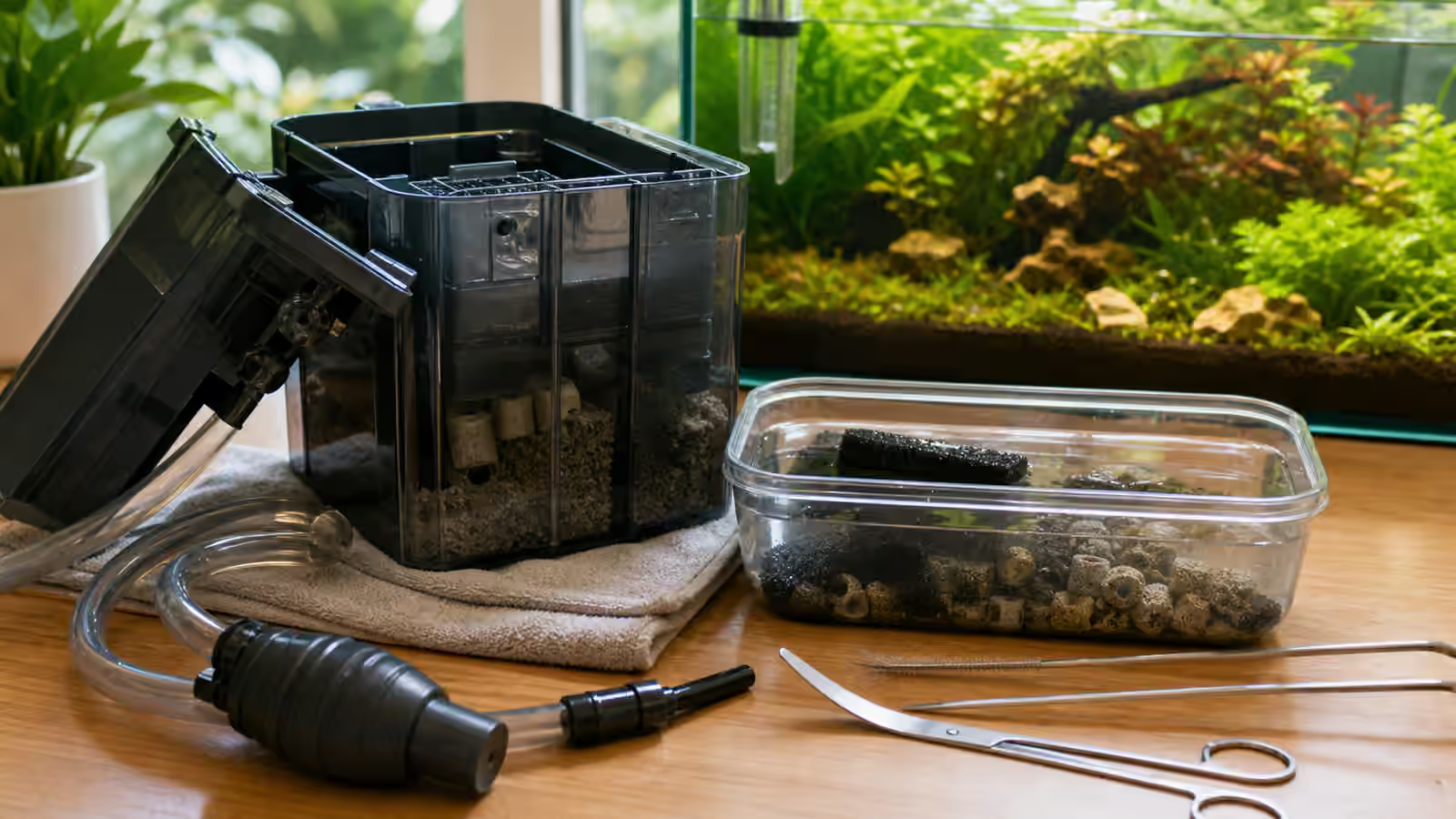
Beneficial bacteria live on surfaces: filter media, sponge, substrate, wood, rocks, glass, plant surfaces, and equipment. Filter media matters because water passes through it repeatedly, giving bacteria access to oxygen and waste. This is why replacing all media at once can destabilize a tank.
Plants complicate the picture in a useful way. Fast-growing plants can use nitrogen compounds. Dense roots and leaves create more surfaces. But plants can also melt, shed leaves, or trap debris. A planted tank is still a tank with a waste budget.
The Basic Chain
| Stage | Plain Meaning |
|---|---|
| Waste enters | Food, animal waste, dead leaves, or decaying material adds load. |
| Ammonia appears | Ammonia can harm animals and should be taken seriously. |
| Nitrite appears | Nitrite is another harmful stage and not a sign to stock more. |
| Nitrate accumulates | Nitrate is managed with plants, water changes, and sensible feeding. |
Protecting The Cycle
Clean gently. Rinse mechanical debris from filter media only when flow drops or buildup is obvious, and preserve mature media. Do not replace all cartridges just because a calendar says so without understanding what biological media remains. When using tap water around media, understand chlorine or chloramine risk and use conditioner as directed.
Avoid stacking disruptions. A major rescape, filter replacement, heavy trim, substrate vacuum, and livestock addition all in one weekend makes the system harder to read.
Common Mistakes
- Replacing every filter part at once.
- Rinsing mature media carelessly.
- Assuming plants make overstocking safe.
- Treating bottled bacteria as permission to skip testing.
- Deep-cleaning the tank whenever it looks imperfect.
Related Fondsites Path
- Cycling a Planted Aquarium Before Animals for the setup sequence.
- Clear Water Lab for testing discipline.
- Keepers Guild for maintenance records and replacement habits.
Try This Next
Label your filter parts mentally as mechanical, biological, or chemical media. If you cannot tell which part protects the cycle, pause before replacing it.