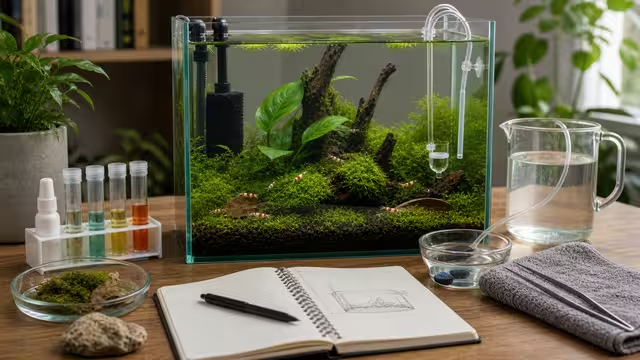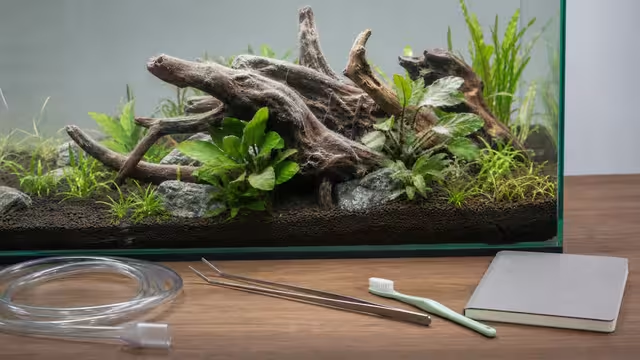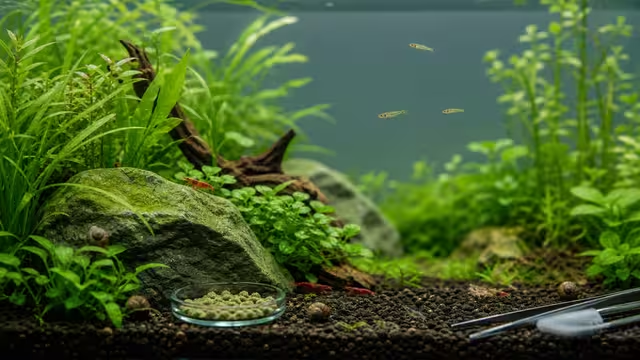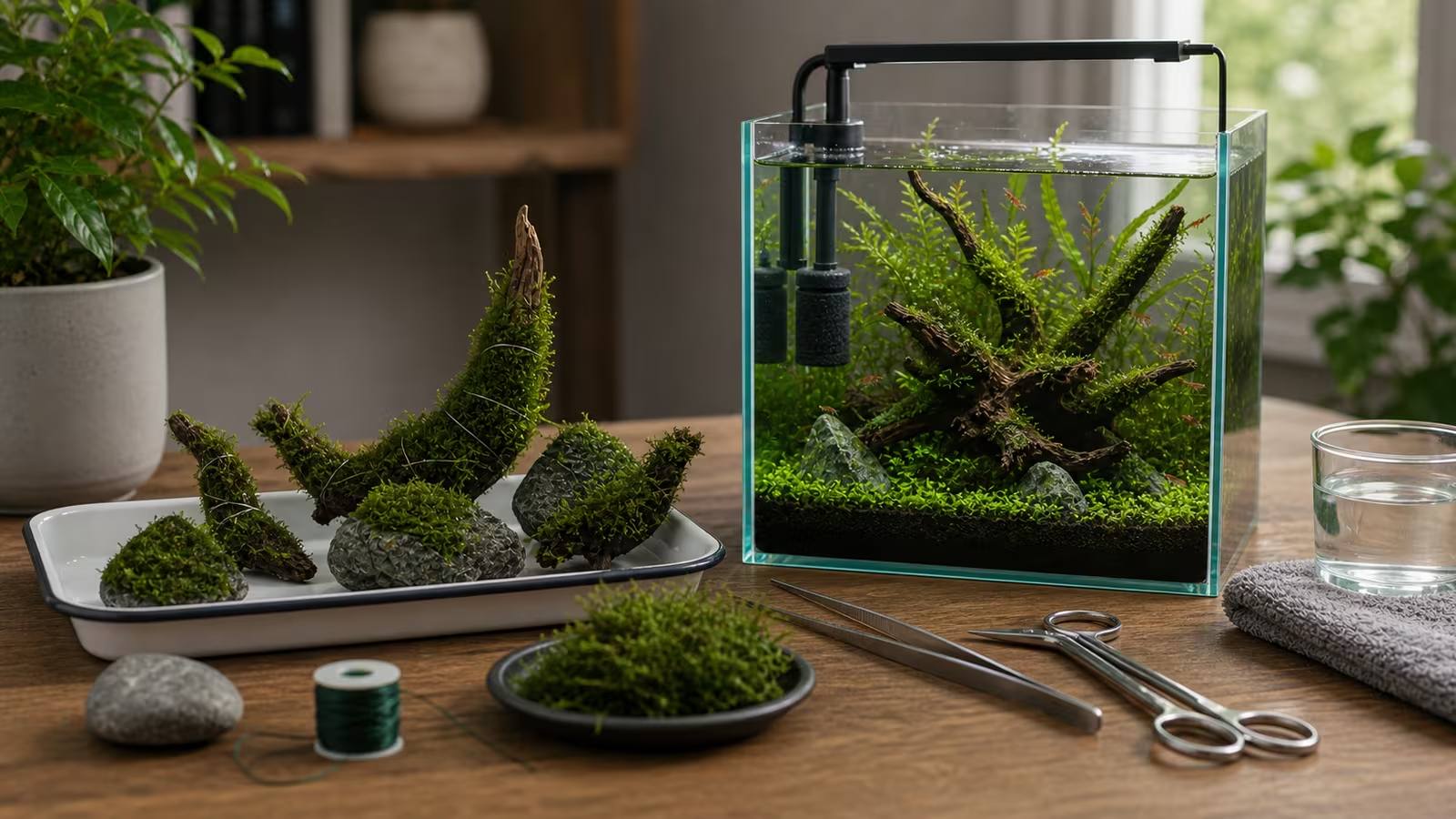
Moss is one of the easiest ways to add age and detail to a small aquascape. A little moss on wood, stone, or mesh can make a nano tank feel like a tiny underwater garden. Shrimp often graze through it, fry can shelter in it, and hardscape looks softer with a green edge.
Moss also catches debris. In a small tank, that matters quickly. The best moss layouts are placed where they can be trimmed, rinsed gently, or siphoned around.
Good Moss Jobs
Moss works well on branch tips, stone cracks, shrimp grazing ledges, and small background accents. It can hide joins between hardscape pieces and create a sense of scale. In breeder or shrimp tanks, moss provides surface area for biofilm.
Use small amounts first. A golf-ball-sized clump can become a messy mass if left alone under decent light.
Attachment Options
Tie moss with cotton thread, use a very small amount of aquarium-safe glue, tuck it into texture, or sandwich it in stainless mesh intended for aquarium use. Keep attachment materials tidy. Loose loops and sharp edges are not acceptable in tanks with animals.
Moss Maintenance
Trim moss before it becomes a heavy mat. Remove cut fragments with a net or siphon because tiny pieces can spread everywhere. Gently lift or wave the moss during maintenance to free trapped debris. If a patch browns inside, thin it instead of only trimming the outside.
Common Mistakes
- Adding a giant clump to a tiny tank.
- Letting moss block flow behind hardscape.
- Leaving trim fragments to spread.
- Using rough attachment materials in livestock tanks.
- Assuming all moss species behave the same.
Related Fondsites Path
- Shrimp Tank Basics for grazing and stability.
- Epiphyte Plants: Anubias, Java Fern, and Friends for attachment basics.
- Maintenance Day Checklist for routine cleanup.
Try This Next
Attach moss to one removable stone or wood piece. If it becomes messy, you can lift the piece for careful trimming instead of dismantling the whole nano tank.