Aquarium shopping can feel global. Plants, shrimp, snails, fish, wood, and equipment may be shipped across regions and borders. Local rules still matter. A species that is common in one place may be restricted, invasive, protected, or illegal in another.
Checking rules is not a dramatic legal exercise. It is a normal part of responsible buying, trading, and disposal.
What To Check
Look for rules about possession, import, sale, transport, release, and disposal. Plants, fish, shrimp, snails, crayfish, and live foods may all be regulated. Native species may have collection rules. Endangered or protected species can carry additional restrictions.
Also check shipping restrictions. A seller willing to ship something does not prove it is legal or appropriate for your location.
Use Exact Names
Common names are messy. One “moss,” “grass,” “snail,” or “algae eater” can refer to several species. Search scientific names when possible. If a seller cannot identify the species clearly, treat that as risk.
Trading And Giveaways
Local hobby swaps can spread invasive plants or pests quickly. Share only species you can identify and legally distribute. Tell recipients about growth rate, disposal, and known hitchhikers.
Common Mistakes
- Assuming pet-store availability equals legality.
- Trading unidentified plants.
- Buying restricted floaters online.
- Collecting local plants or animals without checking rules.
- Releasing unwanted aquarium life as a “humane” solution.
Related Fondsites Path
- Invasive Species and Aquarium Disposal for end-of-life handling.
- Beginner Aquarium Plants That Forgive Real Life for responsible plant choice.
- Clear Water Lab for the habit of checking local source evidence.
Try This Next
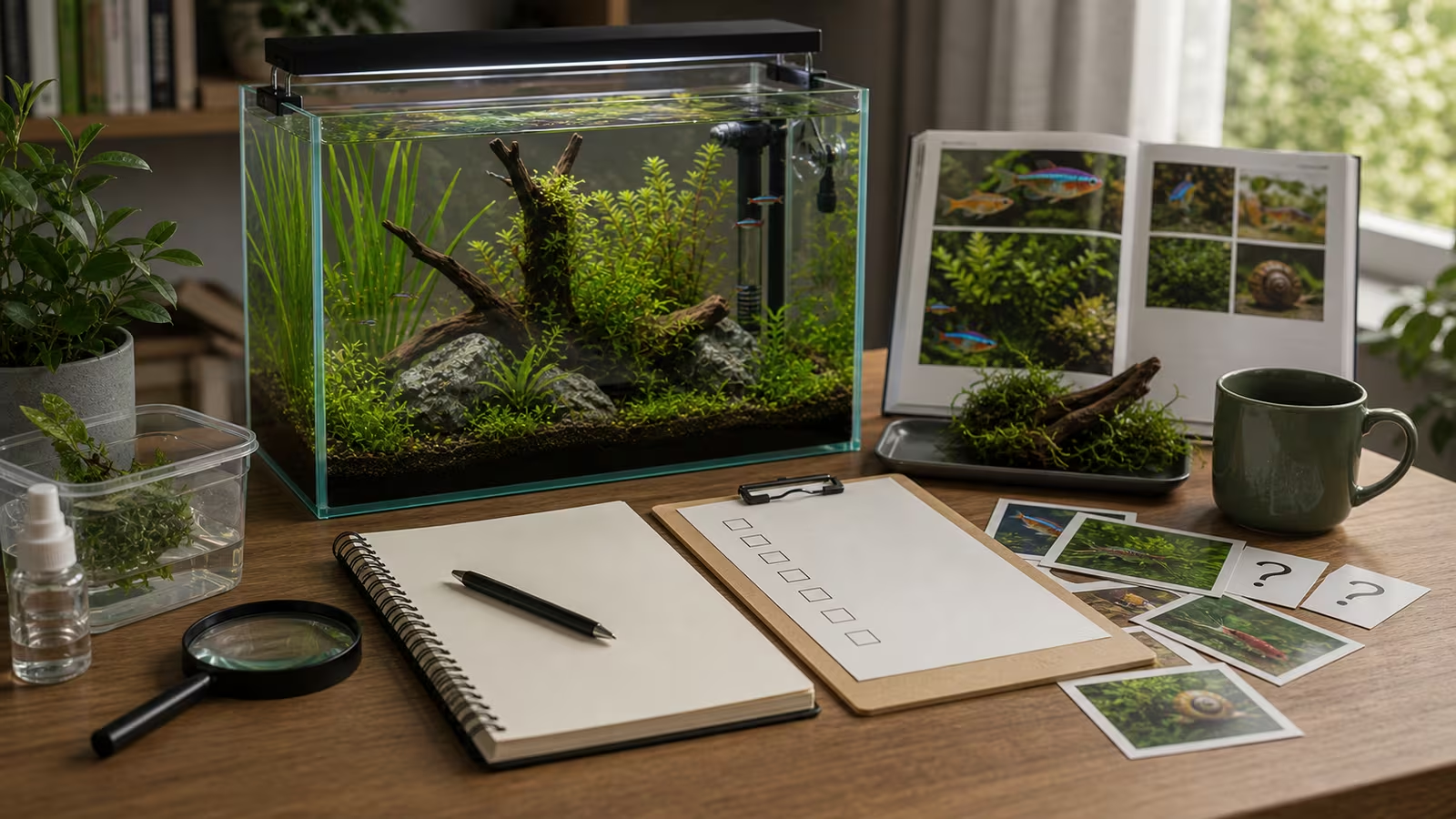
Pick one plant or animal from your wishlist and verify its scientific name, local legal status, adult size, and disposal risk before adding it to the shopping list.