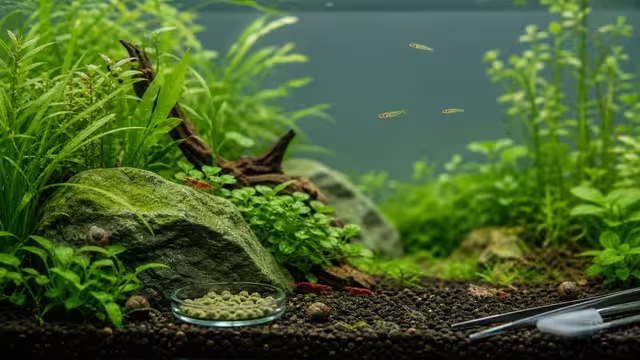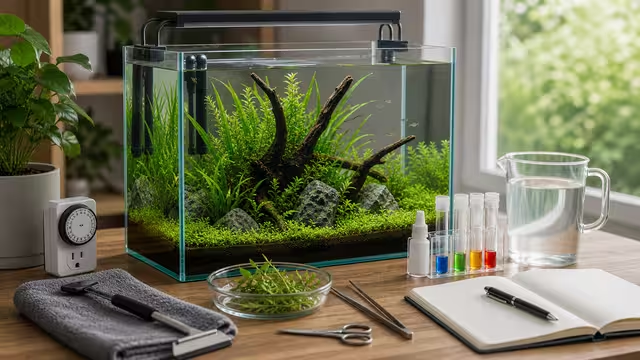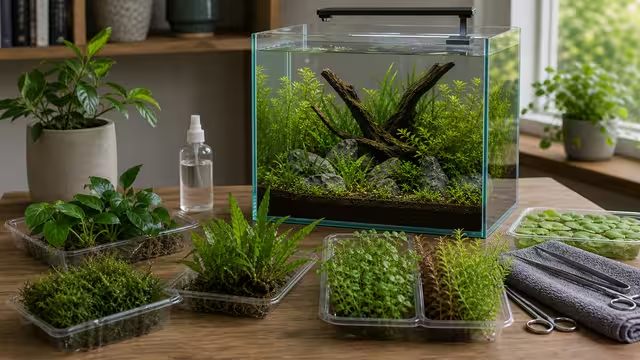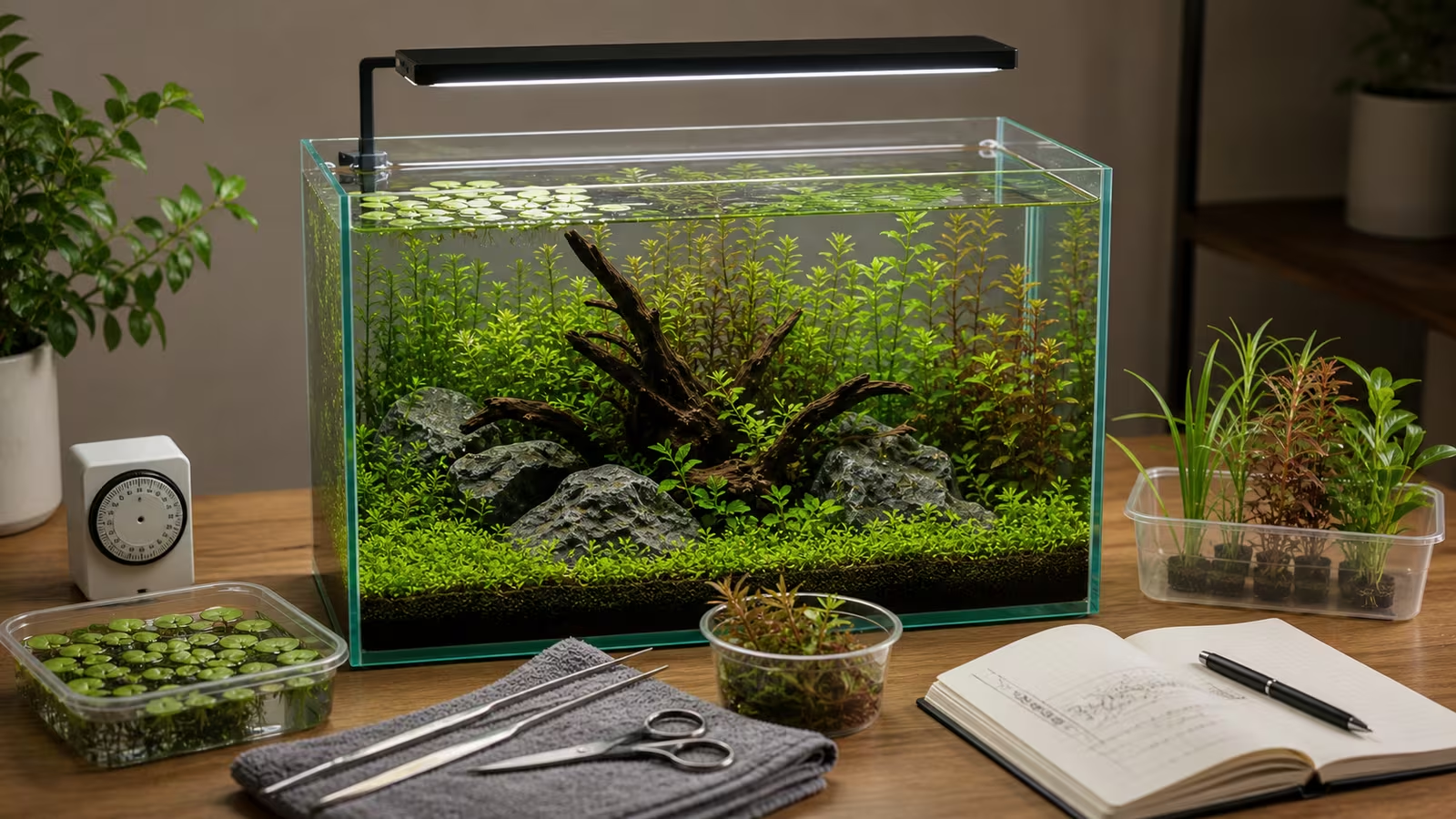
Light drives plant growth, but it also drives algae when the rest of the system cannot keep up. A planted tank with too much light for its plant mass, nutrients, CO2 level, and maintenance rhythm often becomes frustrating. A planted tank with too little light may leave plants stretching, shedding, or slowly disappearing.
The goal is not maximum brightness. The goal is balance. Plants should have enough light to grow, while algae does not receive a long daily invitation to take over every surface.
The Balance Triangle
| Factor | What It Means |
|---|---|
| Light | Intensity, duration, spread, and distance from plants. |
| Nutrients | Fish waste, substrate nutrients, root tabs, liquid fertilizer, and source water. |
| Carbon | Natural CO2 in low-tech tanks or added CO2 in high-tech tanks. |
When one side is pushed hard and the others lag, plants struggle and algae can benefit. A low-tech tank with no pressurized CO2 usually does better with moderate light and appropriate plants. A high-light carpet plan asks for more equipment, trimming, and tuning.
Start Conservatively
Use a timer. Begin with a modest, consistent photoperiod. Watch new growth, leaf color, algae patterns, and animal behavior. If plants are healthy and algae is limited, you can increase slowly. If algae appears quickly, check photoperiod and direct sunlight before buying more products.
Avoid changing fertilizer dose, photoperiod, plant mass, and livestock feeding all at the same time. The tank needs readable cause and effect.
Common Mistakes
- Running the light all day because plants need light.
- Buying demanding red plants or carpets for a low-tech tank.
- Ignoring direct sun from a nearby window.
- Using blue or moon lights all night.
- Increasing light to fix plants that actually need nutrients, roots, or time.
Related Fondsites Path
- Plant Light Matcher for matching ambition to light and CO2.
- Houseplant Clinic for practical light observation.
- Algae Prevention Basics for root-cause thinking.
Try This Next
Set one photoperiod and keep it unchanged for two weeks while you observe plant growth and algae. If you change it, change only by a small step and write down the date.