Aquascape style names can help you describe what you like. They can also make beginners feel as if a home aquarium must follow contest rules. You do not need a pure style to build a good tank. You need a layout that fits the glass box, the plants, the livestock, and your maintenance habits.
Use style language as a reference shelf. Borrow the useful ideas and leave the pressure behind.
Iwagumi
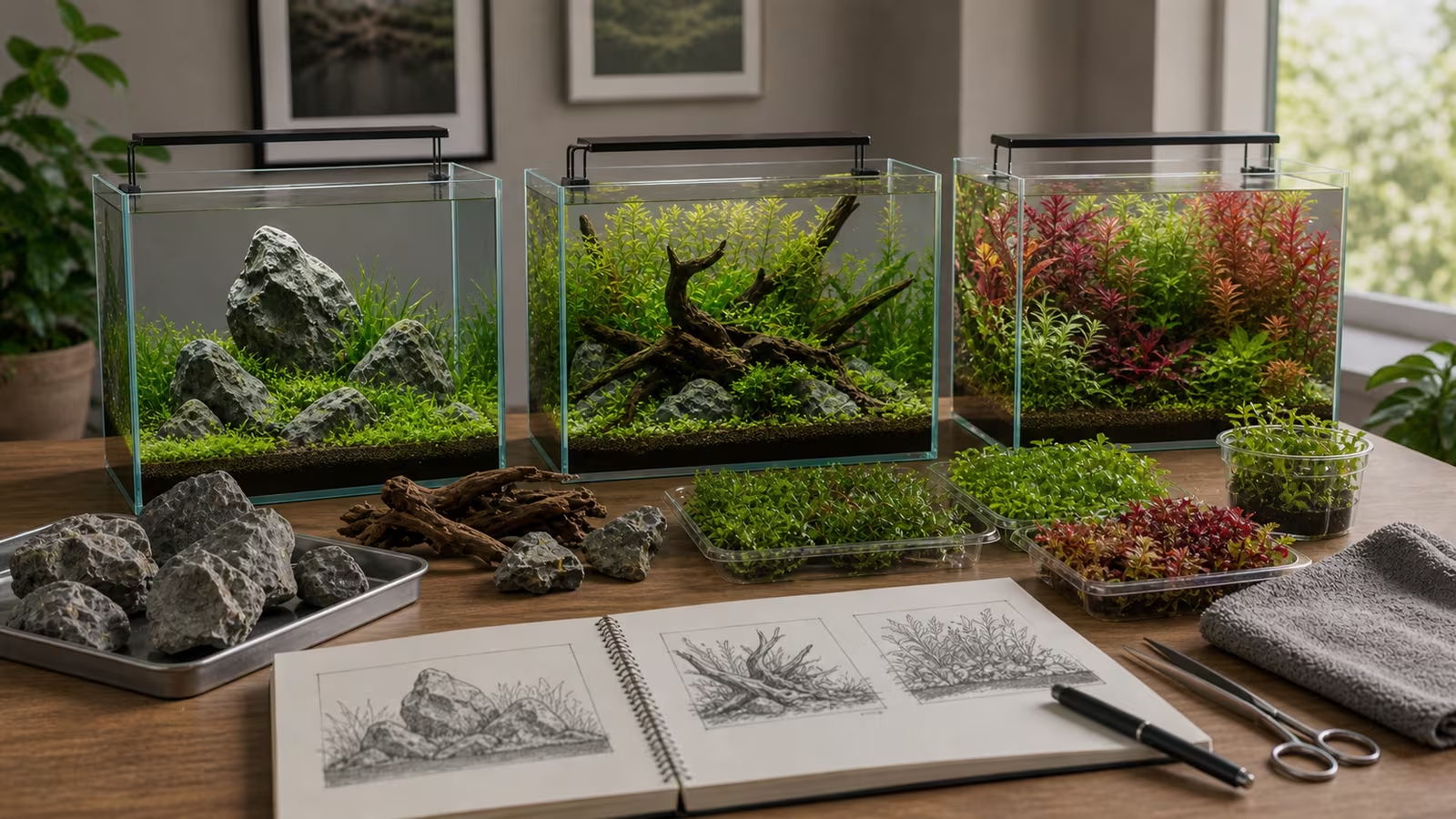
Iwagumi layouts are stone-focused. They often use a strong main stone, supporting stones, open foreground, and restrained planting. They can look calm and powerful, especially in shallow tanks.
The challenge is that sparse layouts leave algae and plant health more exposed. Many classic Iwagumi carpets need strong light, CO2, and regular trimming. If you want the feeling without the demands, borrow the stone grouping and use easier foreground choices.
Nature Aquarium
Nature-style tanks often suggest forests, riverbanks, roots, cliffs, or miniature landscapes. Wood, stone, slopes, moss, epiphytes, and mixed plant textures are common. This style is flexible and can adapt well to low-tech tanks if plants are chosen carefully.
The trap is overloading the tank with every beautiful branch and plant. A natural look still needs structure.
Dutch-Inspired Planting
Dutch-style aquariums emphasize plant groups, color contrast, texture, terraces, and careful trimming. Hardscape may be minimal or absent. The display depends on healthy plant growth and deliberate pruning.
A beginner can borrow group planting and contrast without building a demanding show tank. Start with fewer plant species and learn how each one grows.
Common Mistakes
- Copying a style without matching equipment.
- Choosing livestock for the photo instead of the animal’s needs.
- Filling a nano tank with too many style cues.
- Forgetting that contest photos are often timed for peak condition.
- Treating mixed-style home tanks as failures.
Related Fondsites Path
- Aquascape Composition Rules That Actually Help for practical layout decisions.
- Carpeting Plants Reality Check before trying classic foregrounds.
- Plant Before Fish Plan for sequence.
Try This Next
Save three reference images and name what you actually like in each: stone shape, open sand, plant color, wood angle, or calm stocking. Build from those specifics instead of chasing a label.