Aquarium plants, snails, fish, shrimp, eggs, and even tiny fragments can harm local ecosystems if released. A responsible planted tank keeper thinks beyond the glass. What leaves the aquarium should not end up alive in a pond, stream, storm drain, canal, or wetland.
This applies to unwanted animals, plant trimmings, substrate, filter squeezings, and water from tanks with hitchhikers or disease risk.
Why Fragments Matter
Some plants can regrow from small pieces. Snail eggs can travel on leaves. Pathogens and parasites may move in water. Even species that seem harmless in a home tank can become harmful in a climate or waterway where they survive.
“It is just a little trimming” is not a safe disposal plan.
Responsible Disposal Habits
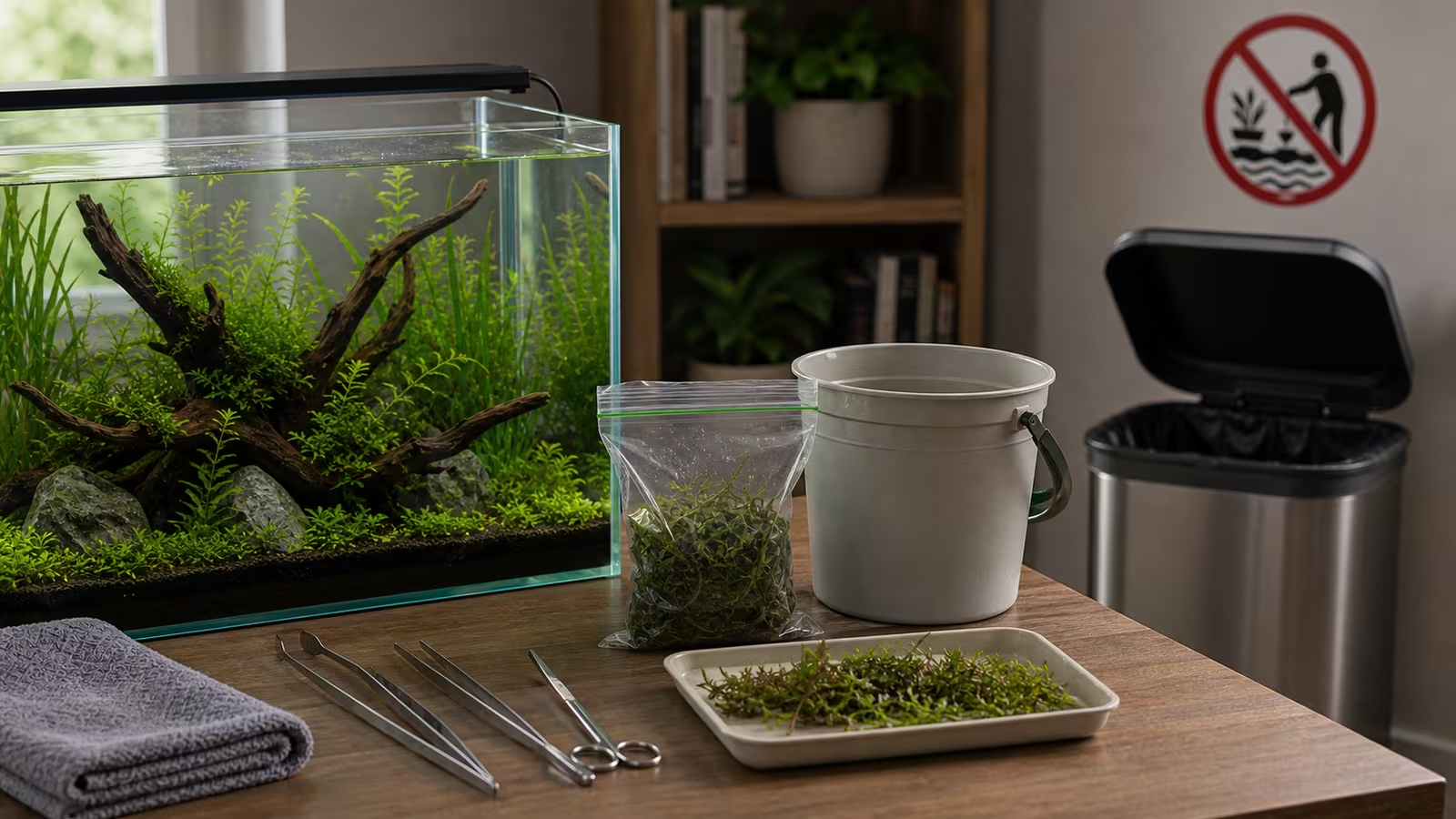
Bag plant trimmings before disposal according to local rules. Let appropriate plant waste dry thoroughly where escape is impossible if that is allowed in your area. Do not rinse plant fragments down drains that connect to stormwater. Do not dump tank water outdoors.
Rehome animals only through responsible channels when legal and appropriate. Do not abandon them in public water.
Before Buying Or Trading
Check whether a plant or animal is legal in your region. Be cautious with local swaps when species names are vague. If you cannot identify a plant, do not share it as harmless.
Common Mistakes
- Dumping floaters into outdoor water.
- Rinsing plant fragments into storm drains.
- Releasing unwanted snails or fish.
- Trading unidentified plants.
- Assuming a tropical species cannot survive locally.
Related Fondsites Path
- Local Regulations for Plants and Animals for rule-checking habits.
- Floating Plants Without Losing Control for fast-growing surface plants.
- Snails in Planted Tanks for population responsibility.
Try This Next
Create a disposal container for plant trimmings and keep it with your aquarium tools. The easier responsible disposal is, the more likely it happens every maintenance day.