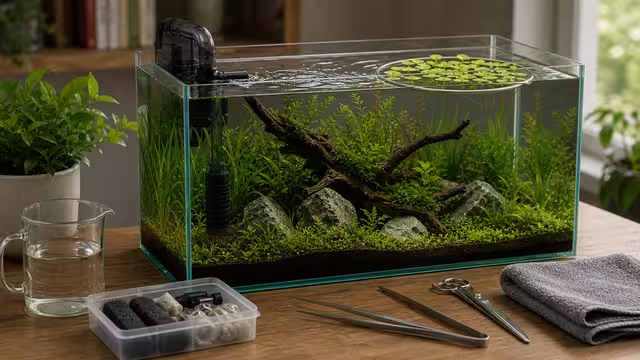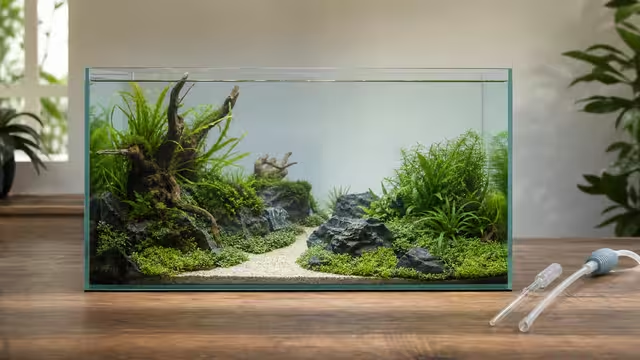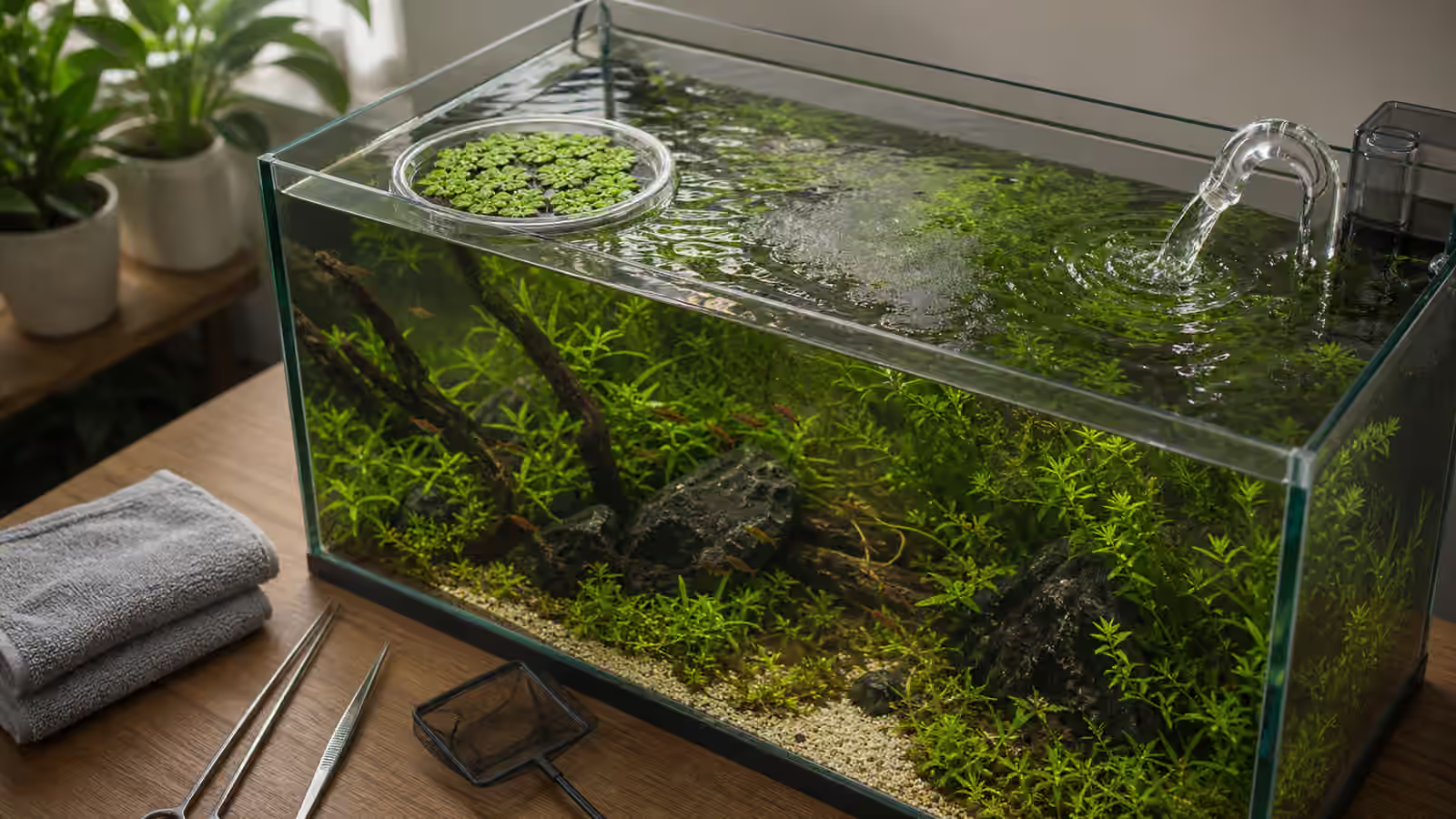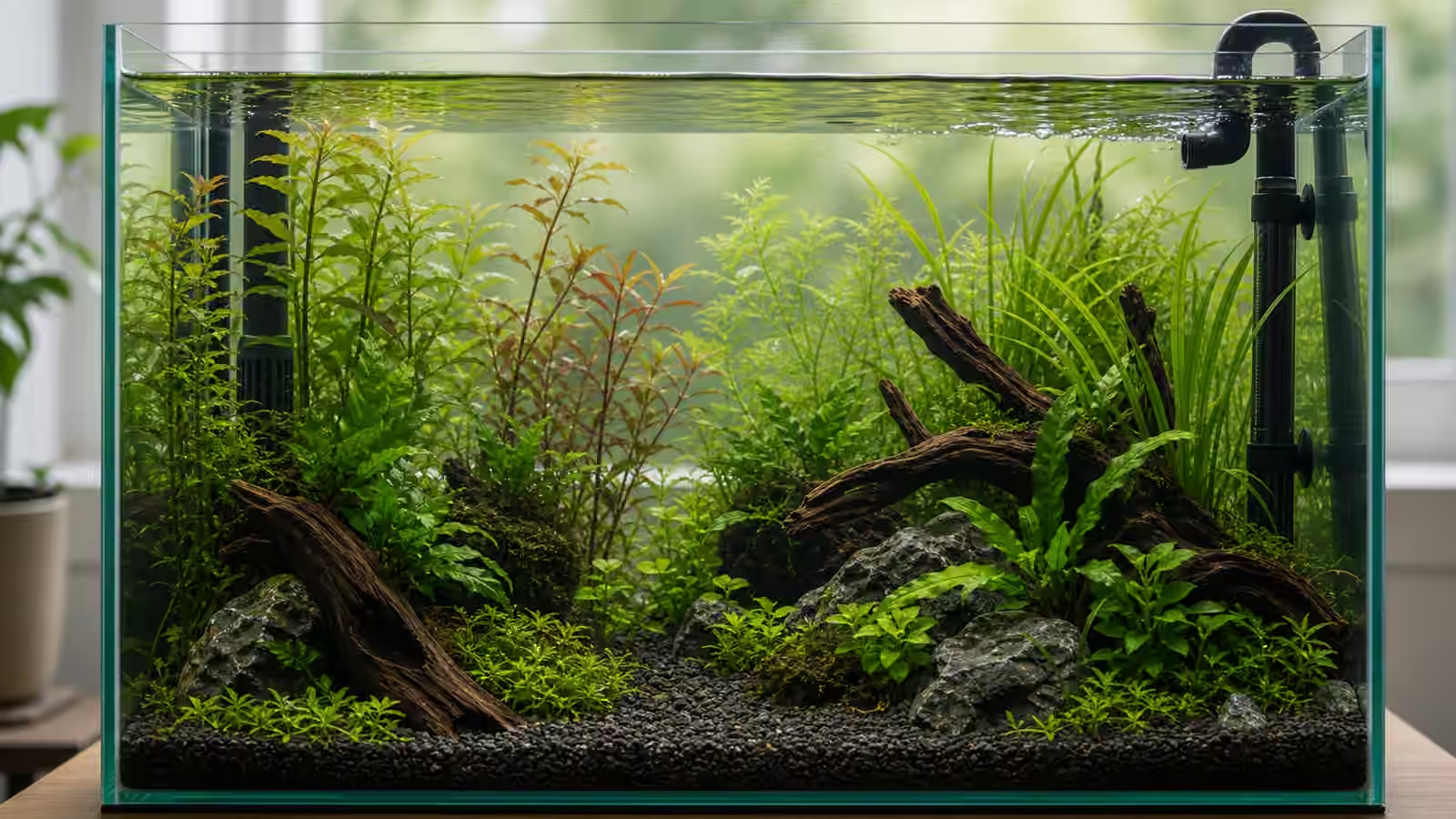
Most planted aquariums have visible equipment. Filters, heaters, intakes, outlets, thermometers, air lines, tubing, and cords are part of keeping water stable. The desire to hide them is normal, especially in a carefully arranged aquascape. The problem begins when a visual goal blocks water movement, traps debris, hides a failing heater, or makes routine cleaning so awkward that maintenance gets skipped.
Good equipment hiding is less like concealment and more like editing. You reduce visual attention without pretending the hardware does not exist. A dark intake against a dark background may recede. A plant group may soften a heater. A piece of wood may redirect the eye. But the equipment still needs to move water, exchange heat, protect animals, and remain reachable by human hands.
Start With Function
Before asking where equipment looks best, ask what each piece must do. A filter intake needs water to reach it without pulling in shrimp, fry, or delicate fins. An outlet needs to move water across the tank without blasting animals or uprooting plants. A heater needs circulation around it so one corner is not warm while another stays cool. A thermometer needs to be readable enough that you actually check it.
This function-first approach connects directly to Filter Flow and Surface Agitation . Flow is invisible until debris collects, plants lean, food drifts, surface film forms, or livestock avoid part of the tank. If equipment hiding makes those clues worse, the layout is working against the aquarium.
A simple test is to imagine maintenance day. Can you remove the intake guard without tearing up stems? Can you reach the heater suction cups? Can you see whether the outlet is clogged? Can you wipe algae near the thermometer? If the answer is no, the equipment is not hidden. It is buried, and buried equipment usually becomes neglected equipment.
Use Background And Contrast Before Covering
The easiest visual improvement is often contrast control. Black or dark equipment against a dark back panel attracts less attention than pale equipment against a bright wall. Clear tubing can disappear in some tanks and catch glare in others. A thermometer on a side pane may be less dominant than one centered on the front. None of these choices changes biology, but they can reduce the urge to solve every visual problem with a plant thicket.
Background color should support the aquascape, not fight it. A dark background can make green plants and fish colors stand forward, while also letting filter parts recede. A bright wall behind a rimless tank can look airy, but it may make every cord and suction cup obvious. Decide which problem matters more in the actual room, not in an online photograph.
Equipment color also matters when buying. Matte black intakes, dark heater guards, and simple outlet shapes tend to be easier to integrate than shiny or bulky hardware. That does not mean buying upgrades before the tank is stable. It means that if you are choosing between two suitable pieces of equipment, visual quietness is a valid secondary criterion after safety, reliability, size, and livestock fit.
Screen With Plants, But Leave Water Paths
Tall background plants are useful screens because they move, grow, and can be trimmed. They can soften the line of a heater or intake without sealing it away. The key is spacing. Water should still reach the intake from more than one direction, and plant leaves should not press tightly against slots, sponge guards, or outlet openings. A screen that becomes a mat can reduce flow and collect debris exactly where you least want it.
Choose plant texture by the job. Fine stems can blur equipment outlines, but they need trimming. Broad leaves can hide a heater quickly, but they may also block more water. Rhizome plants on wood can create a movable screen if the wood can be lifted or shifted during maintenance. Floating plants can hide surface equipment from above, but they can also interfere with gas exchange and feeding access, a point covered in Floating Plants Without Losing Control .
Do not let the screen become the reason you stop inspecting. Plants grow into intakes slowly, so the problem can appear normal by the time flow drops. During maintenance, look behind the screen. Check whether leaves are pinned, whether debris is trapped, and whether the filter sound or surface ripple has changed. A good equipment screen is trimmed as part of the aquascape, not ignored as background.
Hardscape Can Frame, Not Trap
Wood and stone can make equipment less obvious by creating stronger focal shapes. If the eye is drawn to a graceful branch, the heater behind it matters less. If a stone group has a clear angle, a dark intake in the corner becomes a secondary detail. Hardscape should frame the equipment from the main viewing angle while leaving enough physical space for water and tools.
Avoid heavy pieces leaning against equipment or glass to hide a line. A rock that shifts into a heater or intake can create damage. A branch that traps tubing can make removal risky. A hardscape cave around an intake may look clean until a small animal finds the suction path. The aquarium should remain serviceable when wet hands are tired and visibility is imperfect.
Dry layout helps. Arrange the tank before filling and place mock equipment where the real pieces will sit. Check whether the hardscape still has cleaning lanes and open flow. Hardscape Layout Basics for Planted Tanks is useful because it treats tool access as part of the layout, not as an afterthought.
Cords And The View Outside The Glass
Some equipment problems are outside the tank. Cords, timers, power strips, air pumps, and tubing can make a careful aquascape feel messy even when the water side looks good. Handle these details with safety first. Drip loops, dry power locations, stable routing, and strain relief matter more than a perfect photograph. Heater, Thermometer, and Electrical Safety should guide any choice near electricity.
After safety is handled, make the outside view quiet. Route cords together instead of letting them cross the wall randomly. Keep service slack where equipment needs it. Avoid taping cords so tightly that moving a light or filter becomes a fight. Store tools, food, and test kits away from the main view if they make the tank area feel chaotic, but keep emergency towels and water-change gear accessible enough that you will use them.
A tank can look more polished when the surrounding shelf is calmer. This does not require decorative staging. It requires fewer unrelated objects, a clean towel routine, and equipment placed with intention. The aquascape is inside the glass, but the viewer sees the whole setup.
When Visible Is Better
Some equipment should stay visible. A thermometer that cannot be read may not protect livestock. A heater indicator hidden behind a dense plant wall may not warn you when something changes. An intake guard that cannot be inspected may clog or become unsafe for small animals. In these cases, visible and tidy is better than hidden and risky.
There is also honesty in allowing a working aquarium to look like a working aquarium. Planted tanks are living systems, not sealed display boxes. A filter outlet and heater do not ruin the aquascape when they are placed thoughtfully. They reassure the careful keeper that the system can be maintained.
The best result is quiet competence. Equipment is present but not dominant. Flow is visible but not violent. Plants soften edges but do not block function. The aquascape still has focal points, open water, and maintenance access. That balance will age better than any clever hiding place that makes the tank harder to care for.