Aquariums put water, glass, cords, heaters, timers, lights, and filters into one small area. That is normal, but it should never be casual. A planted tank needs safety habits that protect the home and the animals.
Heaters also need respect. Too cold, too hot, stuck on, exposed to air, or poorly placed can all create trouble.
Heater Basics
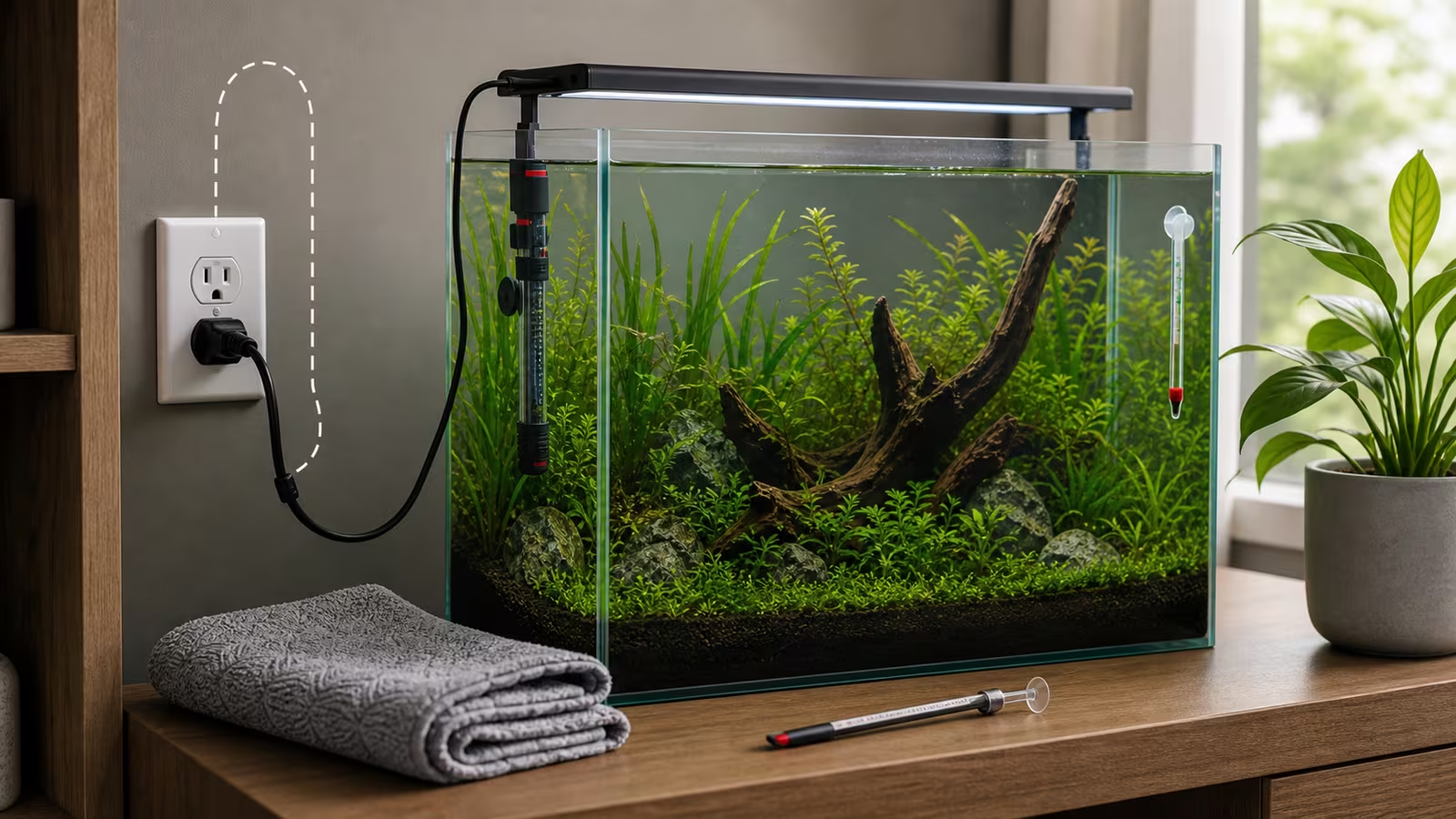
Choose a heater appropriate for the tank volume, room temperature, and livestock. Place it where water moves enough to distribute heat. Use a separate thermometer so you are not trusting the heater dial alone. Check temperature at consistent times.
Some tanks do not need a heater because the livestock and room temperature match, but many tropical setups do. Guessing is not enough.
Cord And Outlet Habits
Use drip loops so water running down a cord cannot flow into an outlet. Keep power strips off the floor and away from splash zones. Do not overload outlets. Label cords so you know what you are unplugging. Dry hands before handling plugs.
Timers for lights are useful, but they still need safe placement and inspection.
During Maintenance
Know which equipment should be unplugged before water changes. Some heaters can be damaged if exposed to air while hot. Filters may need priming after restart. Always confirm equipment is running after maintenance.
Common Mistakes
- Trusting the heater dial without a thermometer.
- Letting a power strip sit below the tank.
- Forgetting drip loops.
- Leaving a heater exposed during water changes.
- Plugging equipment back in without checking operation.
Related Fondsites Path
- Aquarium Location, Stand, and Floor Safety for placement.
- Water Damage and Leak Prevention for home protection.
- Keepers Guild for maintenance-minded safety habits.
Try This Next
Trace every cord from the tank to the outlet. Add labels, confirm drip loops, move power off the floor, and check that your thermometer agrees with the heater setting.