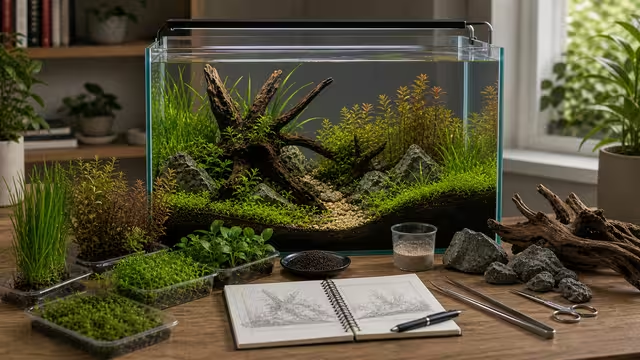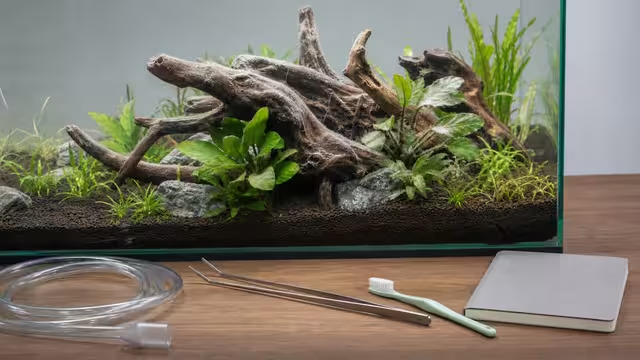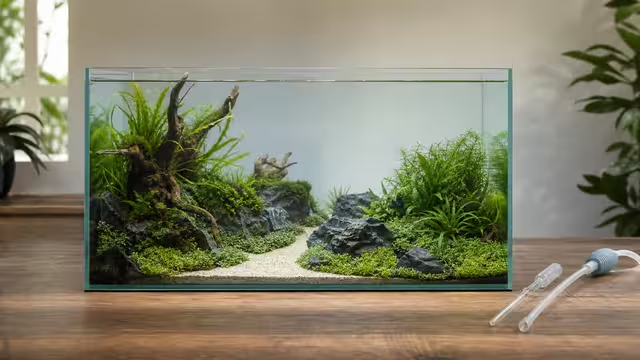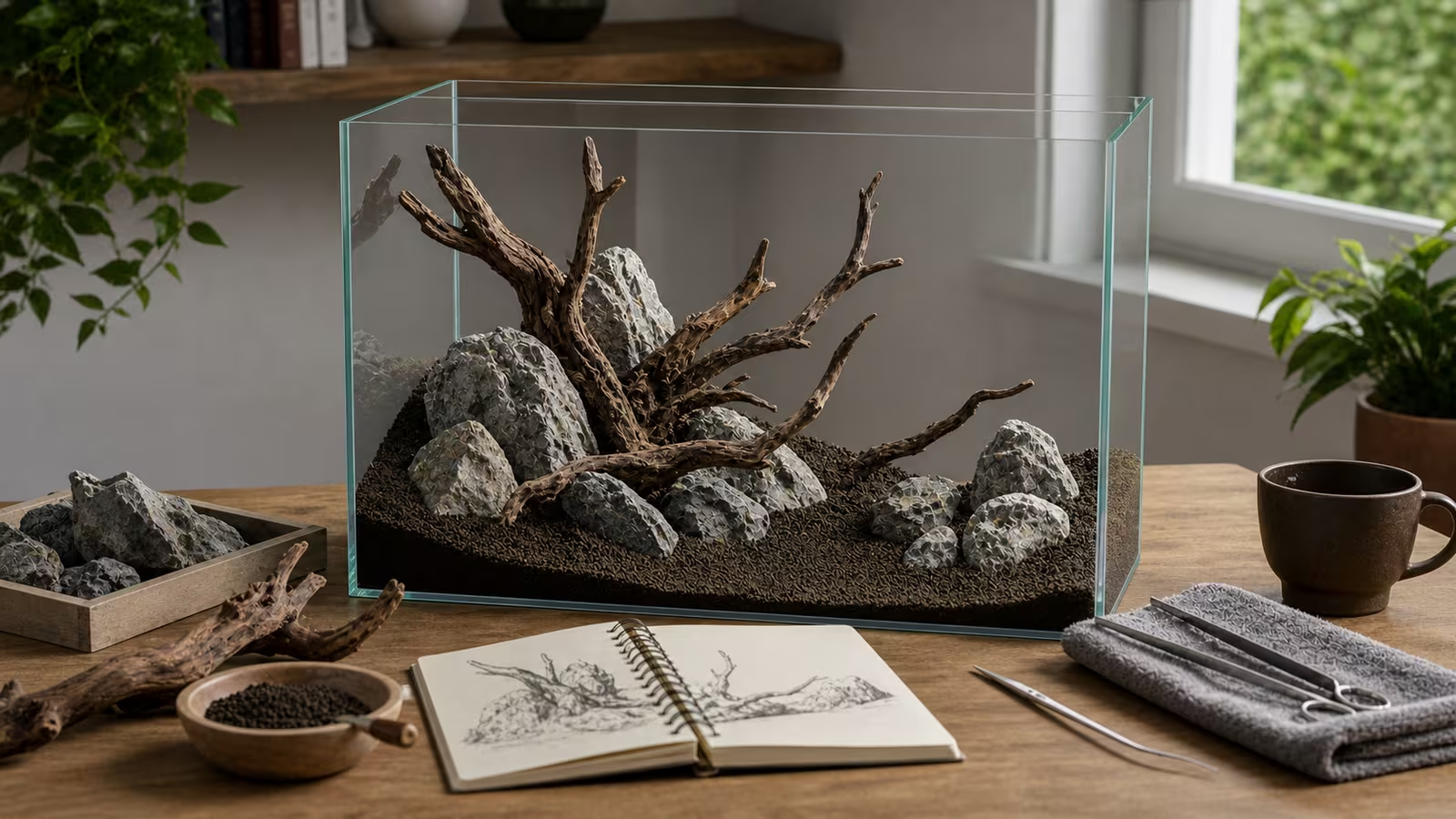
Hardscape is the structure of the aquascape: stone, wood, substrate slope, open space, and the physical paths that plants and animals will use. It is tempting to think of hardscape as decoration. In practice, it shapes planting, flow, cleaning, animal shelter, swimming room, and whether the tank is stable enough to leave alone.
Build the hardscape dry whenever possible. Dry layout work lets you step back, photograph the tank, remove extra pieces, and test stability before water makes every change messier. Once animals are present, major hardscape changes can disturb bacteria, release trapped debris, damage roots, and stress livestock.
Useful Layout Questions
| Question | What It Protects |
|---|---|
| Where is the main focal point? | Keeps the tank from becoming a pile of equal objects. |
| Where will foreground, midground, and background plants go? | Prevents hardscape from blocking every planting pocket. |
| Can you clean the glass and substrate edges? | Keeps maintenance realistic. |
| Are heavy pieces stable? | Reduces collapse risk during planting or animal movement. |
| Is there open water or walking space? | Protects animal movement and visual breathing room. |
Composition Without Overcomplication
Choose one main structure. It might be a sloping stone group, a branching piece of wood, or a low island with plants around it. Then remove pieces that compete with it. In small tanks, restraint often looks more natural than crowding. Negative space is not wasted space; it gives plants room to grow and animals room to move.
Use plant growth as part of the future layout. A stem plant that looks short today can become the background. Moss can thicken and hide wood shape. Floating plants can darken the entire scene. Build space for the tank you will have in two months, not only the tank you see on fill day.
Common Mistakes
- Filling the tank before checking whether the layout reads from the main viewing angle.
- Stacking rocks in a way that can shift.
- Using every purchased piece because it was paid for.
- Leaving no room for tools, siphons, or trimming.
- Forgetting that plants grow and animals need usable space.
Related Fondsites Path
- Visual Prompt Lab for composition, image review, and documenting layout options.
- Houseplant Clinic for plant placement and growth expectations.
- Keepers Guild for tool and maintenance habits.
Try This Next
Make two dry layouts and photograph both from the normal viewing seat. Pick the one with the clearer shape, then remove one piece. A layout that survives subtraction is usually stronger.