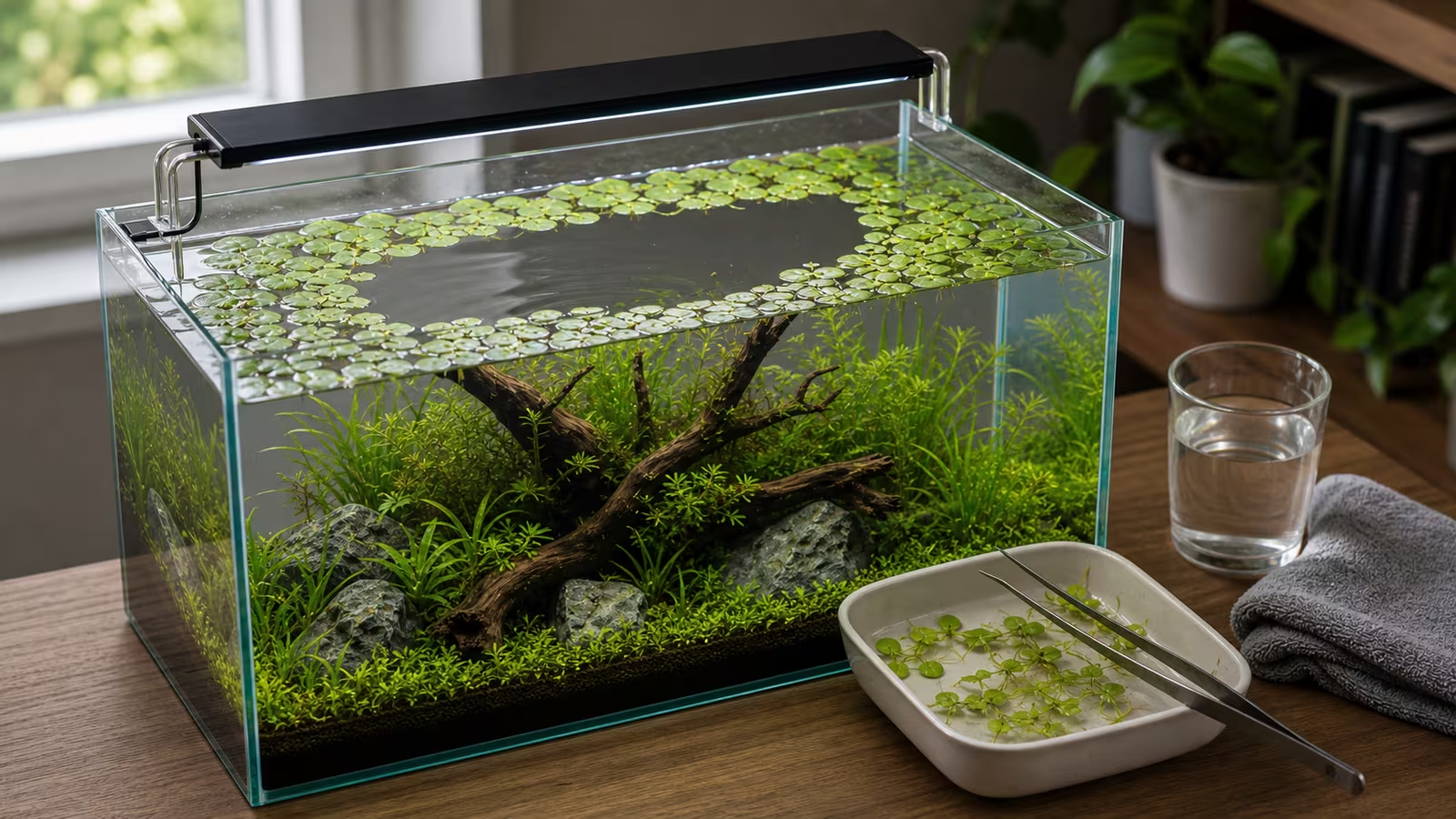
Floating plants can be excellent helpers in a planted tank. They absorb nutrients, soften bright light, give shy animals cover, and make the surface feel alive. They can also multiply quickly, block light from rooted plants, trap food, and reduce open surface area if neglected.
The goal is not to hate floaters. The goal is to control them deliberately.
Why Floaters Help
Floaters sit close to light and air, so many grow quickly. That growth can absorb nitrate and other nutrients that might otherwise feed algae. Their roots create cover for fry and shrimp, and their shade can calm fish that dislike exposed bright tanks.
They are especially useful in new tanks where rooted plants are still adapting. A handful of floaters can provide nutrient competition while the rest of the aquascape grows in.
Why They Become A Problem
A surface covered edge to edge can block light from plants below. It can make feeding messy and reduce surface agitation. Some floaters tangle in filter intakes or collect condensation under tight lids. Duckweed and similar small plants can become nearly impossible to remove completely once established.
Control Methods
| Method | What It Does |
|---|---|
| Feeding ring | Keeps an open area for food and gas exchange. |
| Weekly thinning | Exports nutrients and prevents full cover. |
| Surface corral | Keeps plants away from filter returns. |
| Species choice | Larger floaters are easier to manage than tiny ones. |
Common Mistakes
- Letting floaters block all light in a planted tank.
- Buying a restricted species without checking local rules.
- Composting or rinsing plants where fragments can escape.
- Adding floaters to a high-flow tank without a control plan.
- Assuming floaters replace water changes.
Related Fondsites Path
- Light Balance for Aquatic Plants for shade and plant growth.
- Invasive Species and Aquarium Disposal for responsible end-of-life handling.
- Algae Prevention Basics for nutrient competition.
Try This Next
Mark one open surface zone that should stay clear every week. If floaters cross that line, remove a portion during water-change day and dispose of it responsibly.