Filter maintenance is easy to underestimate because the work happens inside a box, sponge, cartridge, or canister rather than in the visible aquascape. The plants, stones, and fish draw the eye, but the filter quietly moves oxygen and waste through living surfaces. If flow slows, debris settles. If every useful surface is scrubbed clean at once, the tank can lose part of the biological stability that made it look effortless.
The goal is not to keep a filter pristine. A mature planted aquarium is full of biofilm, mulm, roots, and bacteria. The goal is to keep water moving through the media while preserving enough living surface that the tank does not have to rebuild from a hard reset. That is the same practical thread that runs through The Nitrogen Cycle Without Mystery : useful bacteria need time, oxygen, and surfaces. Filter cleaning should respect all three.
What Filter Media Is Actually Doing
Many beginners think of filter media as a dirt trap. It does trap particles, but that is only part of the job. Sponge, ceramic rings, coarse pads, and similar media also provide oxygenated surfaces where bacteria process waste. In a planted tank, those surfaces work alongside substrate, hardscape, plant leaves, and glass. The filter is important because water is deliberately pulled across it again and again.
That repeated water movement is why media should not be treated like a disposable household filter unless the product design truly requires replacement and the tank has another mature biological surface to lean on. Throwing away every cartridge or pad on a schedule can remove more stability than the tank expects. If a cartridge contains both mechanical floss and carbon, the aquarist may be forced into replacement more often than ideal. In that case, it is worth planning a transition toward reusable sponge or ceramic media where the filter allows it.
Mechanical debris still matters. A sponge packed with fine waste cannot pass water well. A canister full of sludge may lose flow, oxygen, and reliability. The point is balance. Clean enough to restore flow. Leave enough seasoned material to preserve the biological filter.
Clean In Tank Water, Not Under The Tap
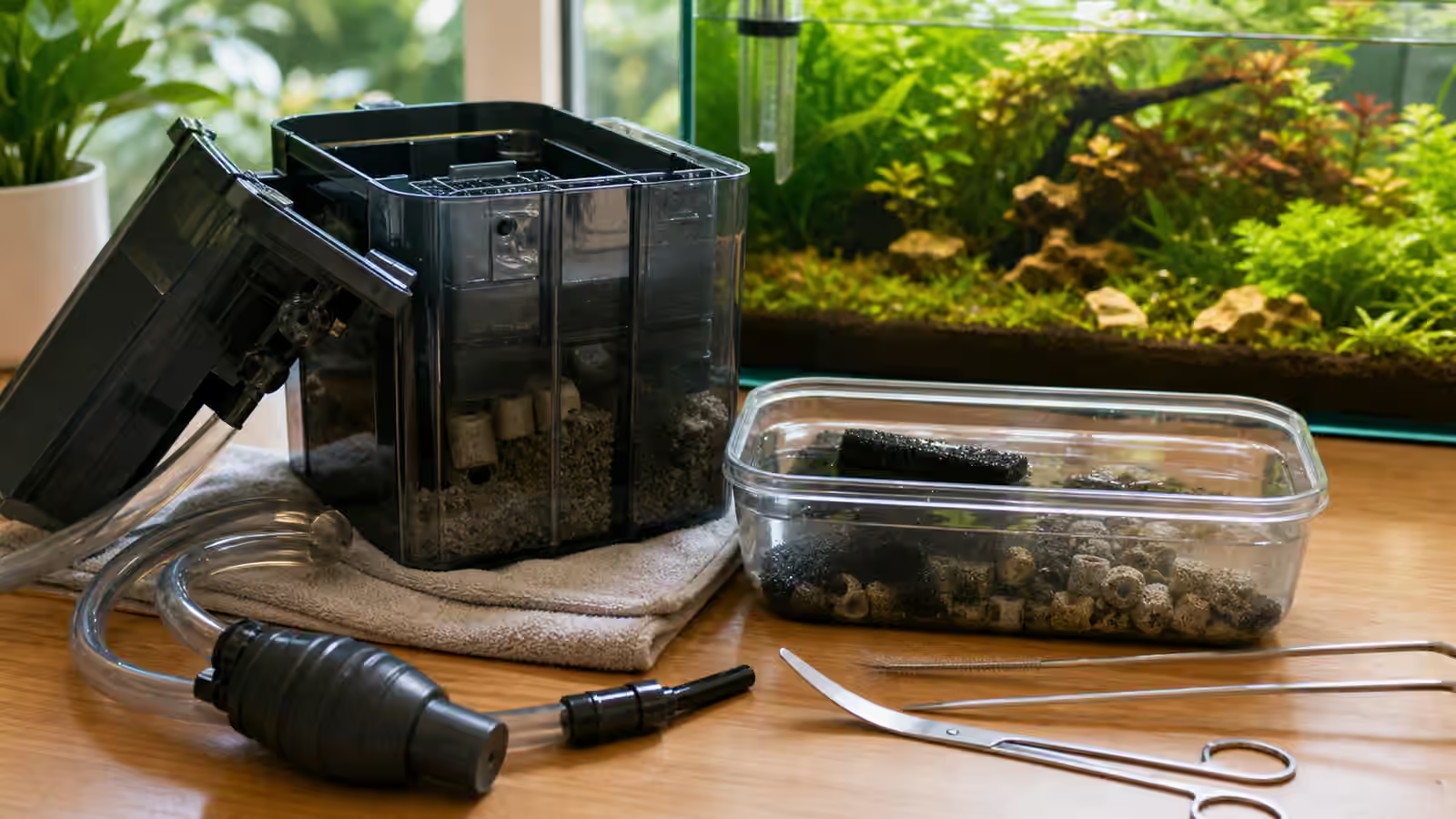
The usual planted tank habit is to clean biological media in water removed from the aquarium during a water change. That water is already conditioned, temperature familiar, and safe for the bacteria compared with untreated tap water that may contain disinfectants. The process can be simple: lower the water level for the planned water change, set aside a clean aquarium-only container, place media in that water, and squeeze or swish it until the worst trapped debris releases.
The water may turn brown. That does not mean the media is ruined. It means trapped material is leaving. Stop before the sponge becomes sterile-looking. A mature sponge that still looks slightly stained is often exactly what you want. Ceramic media should be swished gently rather than polished. Fine pads can be rinsed more thoroughly if they are purely mechanical, but do not confuse a polishing pad with the whole biological filter.
Avoid soaps, detergents, kitchen sponges, scented towels, and household buckets. Aquarium tools should stay boring and dedicated. This overlaps with Cleaning Glass and Aquarium Tools , because contamination risk often enters through ordinary household habits rather than through exotic aquarium mistakes.
Do Not Clean Everything On The Same Day
Filter cleaning becomes riskier when it is bundled with every other disturbance. A full substrate vacuum, huge plant uprooting, media replacement, heavy trimming, and livestock addition in the same window create a confusing recovery period. If ammonia or nitrite appears later, it becomes hard to know which change mattered.
For a stable planted aquarium, stagger the larger jobs. Clean the filter media when flow is actually reduced or the maintenance rhythm calls for it, but avoid doing a deep filter clean on the same day as a major rescape. If the tank has just been disturbed, the filter is one of the pieces you want to keep familiar. Rescape Without Crashing the Tank treats wet, seasoned media as a priority for exactly that reason.
This does not mean a filter should be ignored during a messy rescape. If the intake clogs with plant fragments or the impeller stops, respond. The point is to separate necessary flow protection from casual over-cleaning. The filter’s living surface is not decorative grime. It is part of the tank’s safety margin.
Read Flow Before Reading The Calendar
Some filters need attention more often than others. A shrimp tank with a sponge prefilter, heavy moss, and powdered foods may clog quickly. A lightly stocked low-tech tank with open planting may run longer between cleanings. A canister with a fine polishing pad may slow before the biological media needs attention. A hang-on-back filter may show reduced waterfall flow, rattling, or bypass around clogged media.
Watch the tank. Leaves should move gently where flow is expected. Surface film should not become a permanent skin. Debris should not collect in the same dead corner every day. Fish should not be forced to fight a blast after cleaning, either. Filter Flow and Surface Agitation is the broader guide to the pattern you are trying to restore.
When flow changes suddenly, check simple causes first. Plant leaves may block the intake. A prefilter sponge may be packed with debris. The impeller may need gentle cleaning. Tubing may be kinked or narrowed by buildup. Restoring flow does not always require tearing apart every basket of media.
Reassembly Is Part Of Maintenance
A filter is not maintained until it is running normally again. Before closing it, confirm that media is seated in the correct order for that filter, seals are clean, tubing is attached, and no cord or hose is positioned to drip water toward an outlet. After restarting, stay nearby long enough to watch for leaks, odd sounds, trapped air, and weak flow.
Canister filters deserve particular patience because they can trap air and may need priming. Hang-on-back filters may need water added to the chamber before the impeller catches. Sponge filters may need the airline reconnected and the pump checked. The safest routine is unglamorous: towel nearby, hands dry before touching plugs, drip loops respected, and the tank observed after everything looks finished.
Water testing after filter work is not always necessary for a mature tank after a modest rinse, but it is sensible after a larger disturbance, an accidental media replacement, or any livestock stress. Water Testing for Aquascapes is useful here because it treats tests as trend evidence, not as a ritual performed without interpretation.
Replace Media Slowly When Replacement Is Needed
Sometimes media really does need replacement. A sponge can crumble. A cartridge can fall apart. Fine floss can become unusable. Chemical media can be exhausted or no longer part of the plan. The safer habit is to avoid replacing all biological media at once. If the filter design allows it, run old and new media together for a while so the new surface can seed. If the filter is cramped, consider adding an extra sponge or bag of ceramic media before the old piece fails completely.
Manufacturers may recommend frequent cartridge replacement, but planted tanks benefit from thinking in functions. Mechanical media catches particles. Biological media houses bacteria. Chemical media adsorbs specific substances for a limited time. When one product tries to do all three, replacement advice can become awkward for a living aquarium. The aquarist has to protect the cycle, not only obey a shopping interval.
Good filter maintenance leaves the tank boring afterward. Flow returns. Water clears from the brief disturbance. Livestock behave normally. The filter starts without drama. Nothing smells burnt, leaks, or rattles. The aquascape does not need a rescue plan because the hidden equipment was handled with the same restraint as the visible plants.