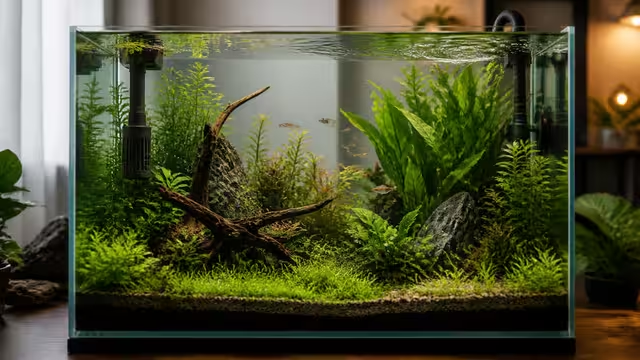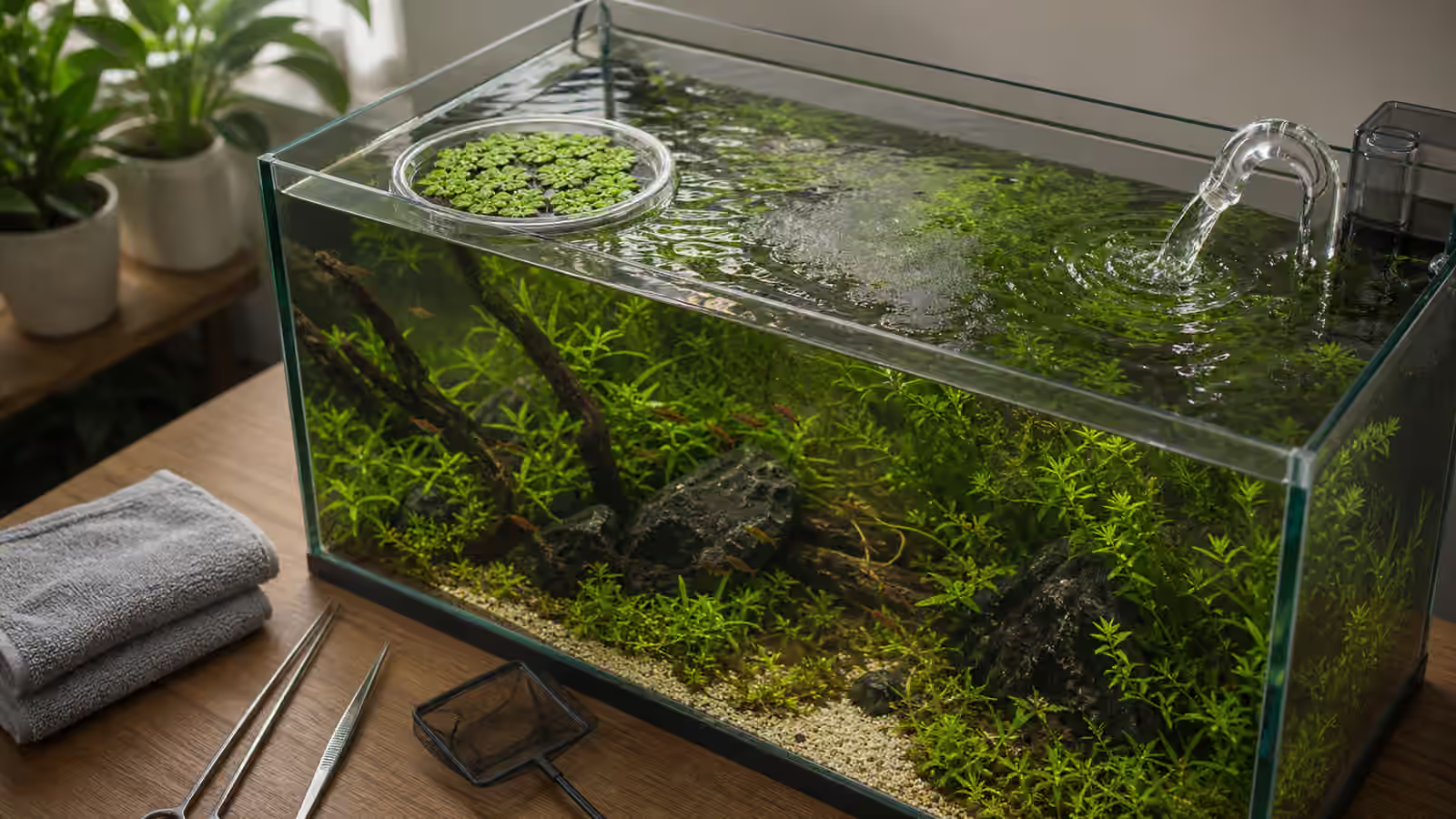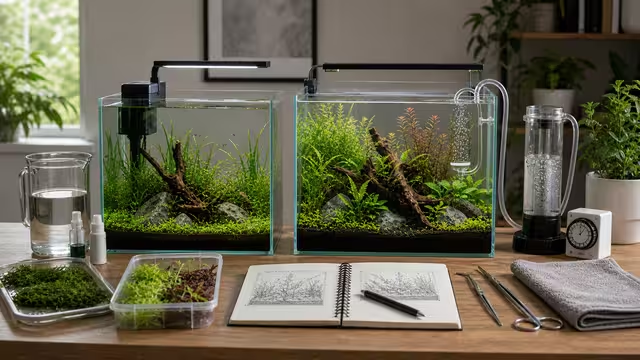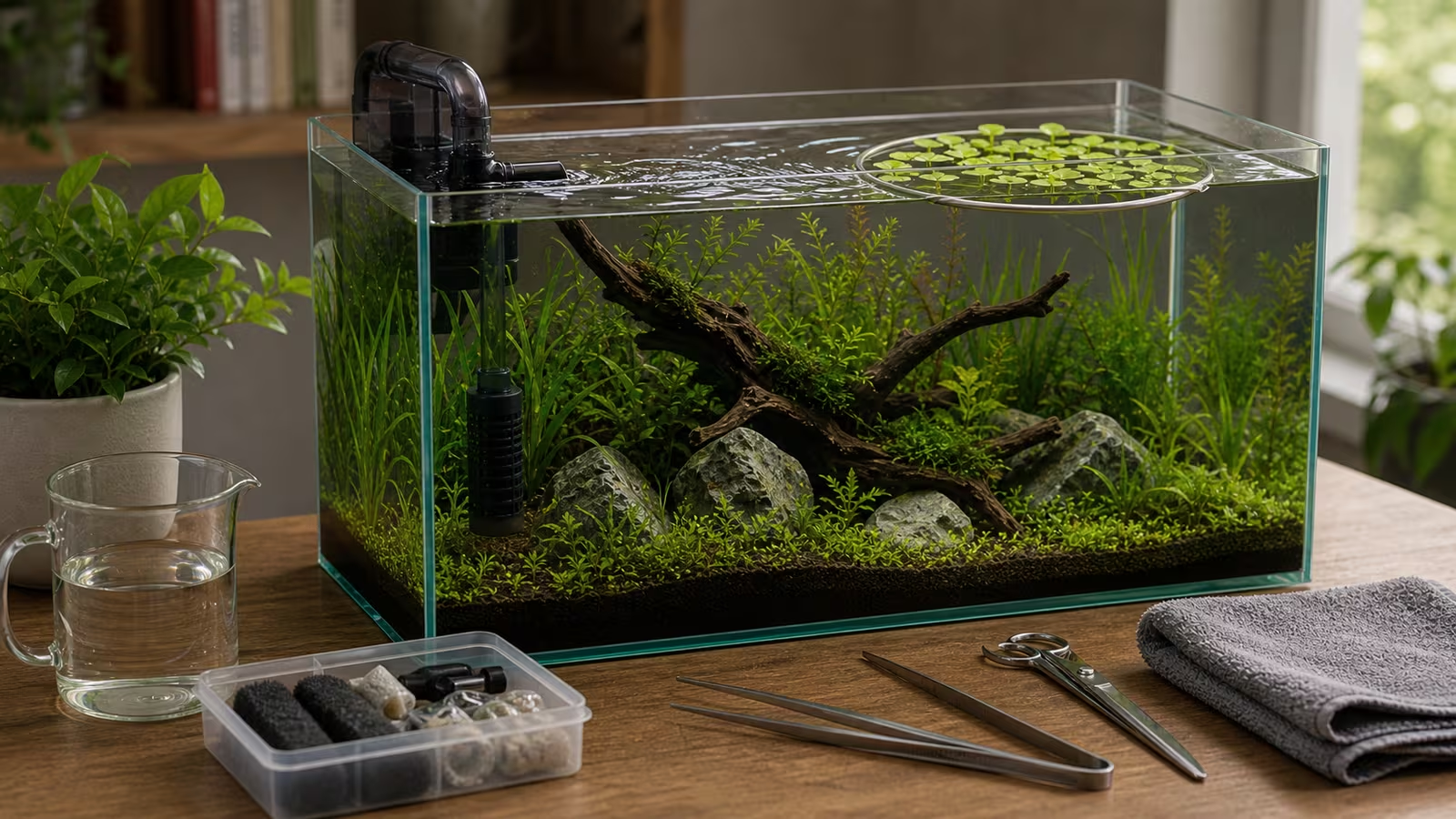
Filtration is not only about a box of media. In a planted aquarium, flow moves oxygen, nutrients, heat, and waste through the system. It keeps dead spots from collecting debris and helps equipment do its job. Too much flow, though, can exhaust fish, uproot plants, and make feeding difficult.
Surface agitation is part of the same conversation. The water surface is where gas exchange happens, and a completely stagnant film can become a problem.
What Good Flow Looks Like
Good flow is visible but not violent. Plant leaves may move gently. Debris should not pile in one hidden corner. Food should not be blasted immediately into the filter. Fish should be able to rest. Shrimp should not be pulled toward the intake.
The right pattern depends on tank shape, hardscape, plants, filter type, and livestock.
Surface Agitation
A slight ripple helps oxygen exchange and prevents oily film. Very strong agitation can drive off CO2 in injected systems and disturb floating plants. In low-tech tanks, a calm but active surface is usually a better beginner target than mirror-still water.
Intake And Outlet Placement
Place intakes where debris can reach them without trapping animals. Use prefilter sponges or guards when needed. Aim outlets to move water across the tank and around hardscape, not directly at timid fish or freshly planted stems.
Common Mistakes
- Using flow so strong that fish cannot rest.
- Letting plants block the filter intake.
- Ignoring a stagnant surface film.
- Leaving shrimp or fry exposed to unguarded intakes.
- Cleaning all filter media too aggressively.
Related Fondsites Path
- Betta Planted Tank Ethics for gentle-flow planning.
- Shrimp Tank Basics for intake protection.
- Maintenance Day Checklist for filter care.
Try This Next
Drop a small piece of plant trimming near the outlet and watch where it travels. If everything collects behind one rock or blasts across the tank, adjust flow before adding more livestock.