Aquatic plants need nutrients, but fertilizer is not a magic fix for every weak leaf. Light, carbon availability, roots, plant type, transition melt, water parameters, and livestock waste all affect growth. Adding more fertilizer without understanding the rest of the tank can feed algae or create confusion.
The beginner goal is a simple, trackable plan. One fertilizer routine that you can observe is better than several overlapping products used whenever plants look disappointing.
Root Feeders And Water-Column Feeders
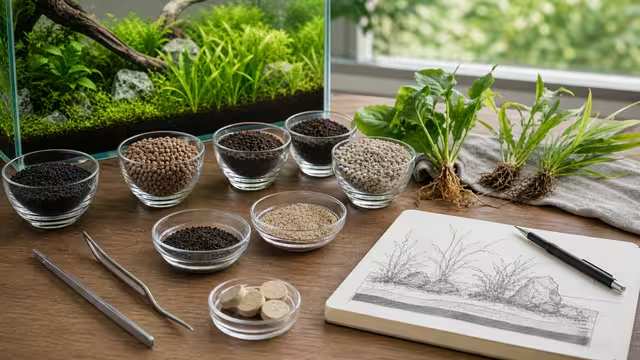
Some plants draw heavily from the substrate. Root tabs can help crypts, swords, and similar rooted plants in inert substrate. Other plants draw more from the water column, especially stems, floaters, mosses, and epiphytes. Many tanks use both approaches, but the need depends on the plant list.
If most of your tank is Anubias, Java fern, moss, and floaters, substrate fertilizer may not be the first issue. If your tank is full of rooted plants in plain sand, root nutrition may matter more.
Nutrient Basics
| Nutrient Group | Beginner Translation |
|---|---|
| Nitrogen | Often tied to waste, nitrate, and plant growth. |
| Phosphorus | Needed by plants, but excess can join other imbalance issues. |
| Potassium | Commonly supplemented in planted tanks. |
| Micros | Trace elements such as iron and others, needed in small amounts. |
Read Trends, Not One Leaf
One yellowing old leaf does not prove a specific deficiency. New growth, whole-plant patterns, root condition, recent moves, light, and algae matter. Transitioning plants may shed old leaves while adapting. Slow growers may not show quick results even when the plan is good.
Common Mistakes
- Randomly mixing several fertilizers.
- Dosing heavily while running excessive light.
- Ignoring root needs in inert substrate.
- Assuming every yellow leaf needs fertilizer.
- Forgetting livestock waste already adds nutrients.
Related Fondsites Path
- Houseplant Clinic for reading plant patterns without overreacting.
- Plant Light Matcher for matching light and plant ambition.
- Algae Prevention Basics for balance.
Try This Next
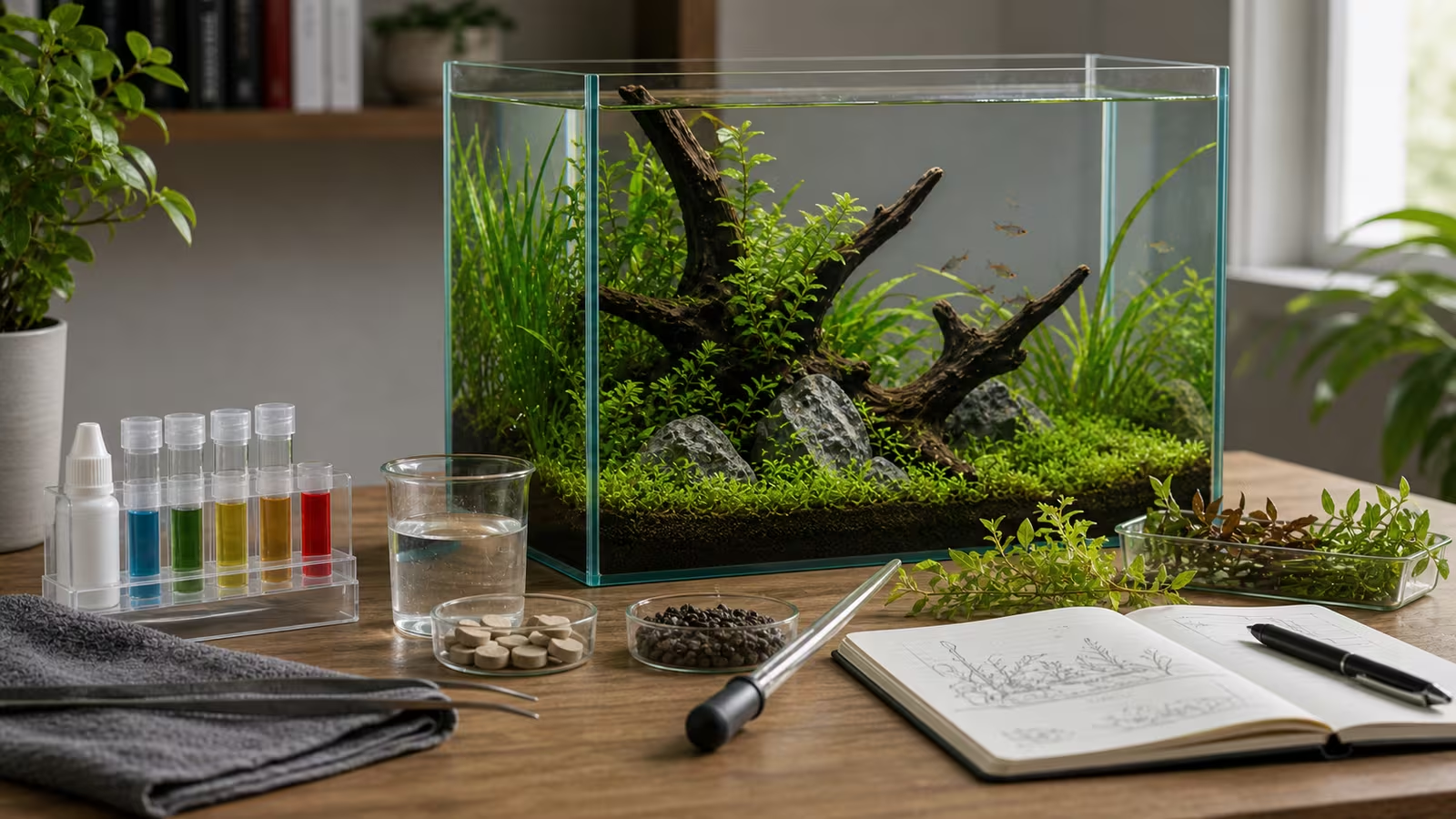
Choose one fertilizer approach, write the dose and day, and observe for two to four weeks. If you change light, CO2, plant mass, or stocking at the same time, write that down too.