Epiphyte plants are some of the most useful plants in a beginner aquascape. Anubias, Java fern, many mosses, and similar plants can attach to wood, stone, or decor instead of needing deep substrate. They add mature texture without requiring a high-tech setup.
Their main rule is simple: do not bury the rhizome. The rhizome is the thick horizontal stem that leaves and roots grow from. If it is buried, it can rot.
Why Epiphytes Help
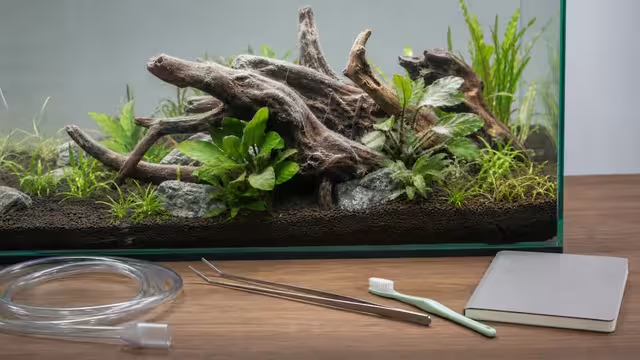
Epiphytes are excellent for hardscape because they make wood and rock look planted without requiring a deep soil bed. They are also good for rescapes because attached pieces can often be moved more easily than rooted plants.
Most grow slowly. That reduces trimming but increases algae risk if the leaves sit under too much light or collect debris. A slow plant cannot outgrow algae the way a fast stem can.
How To Place Them
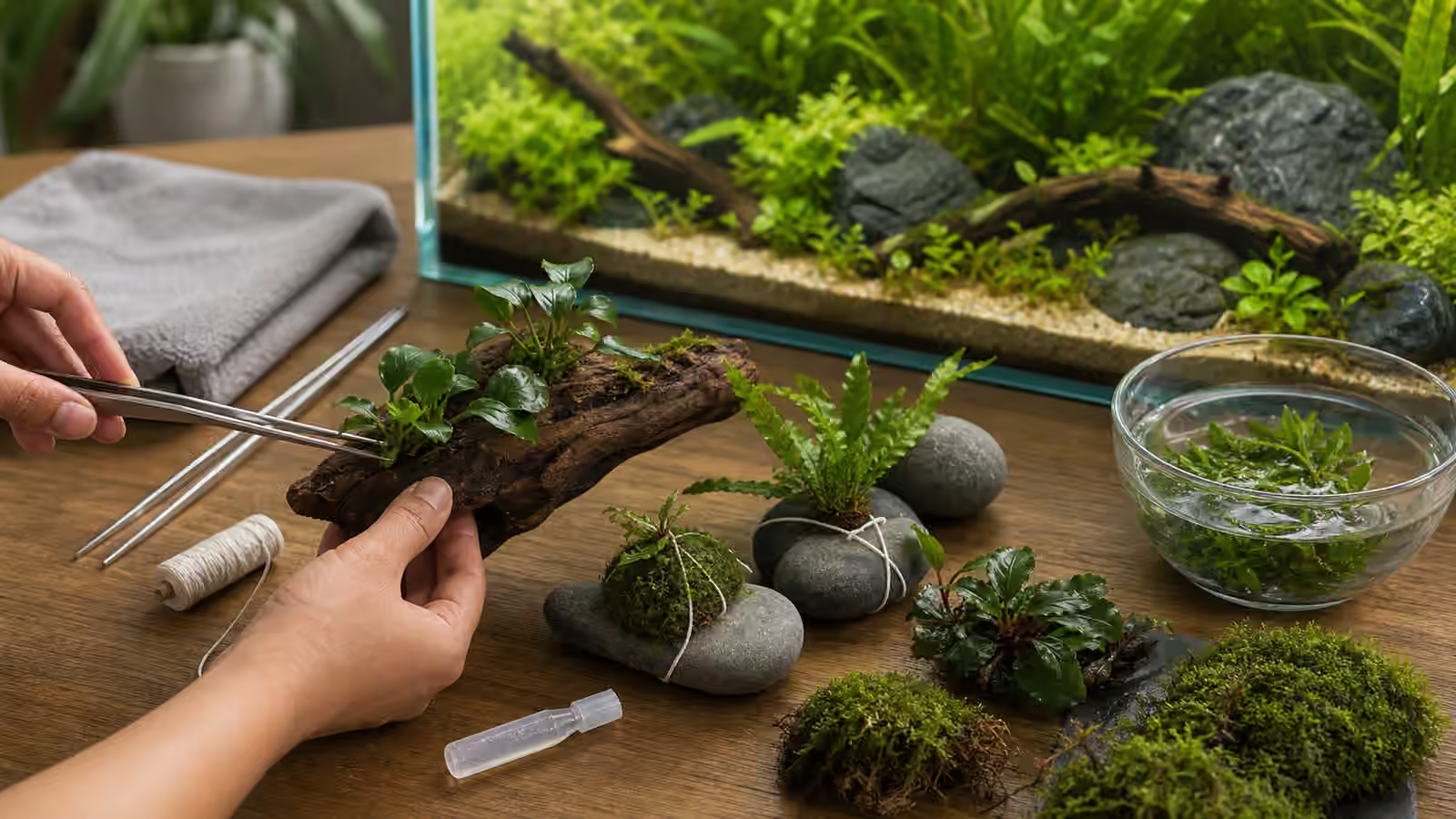
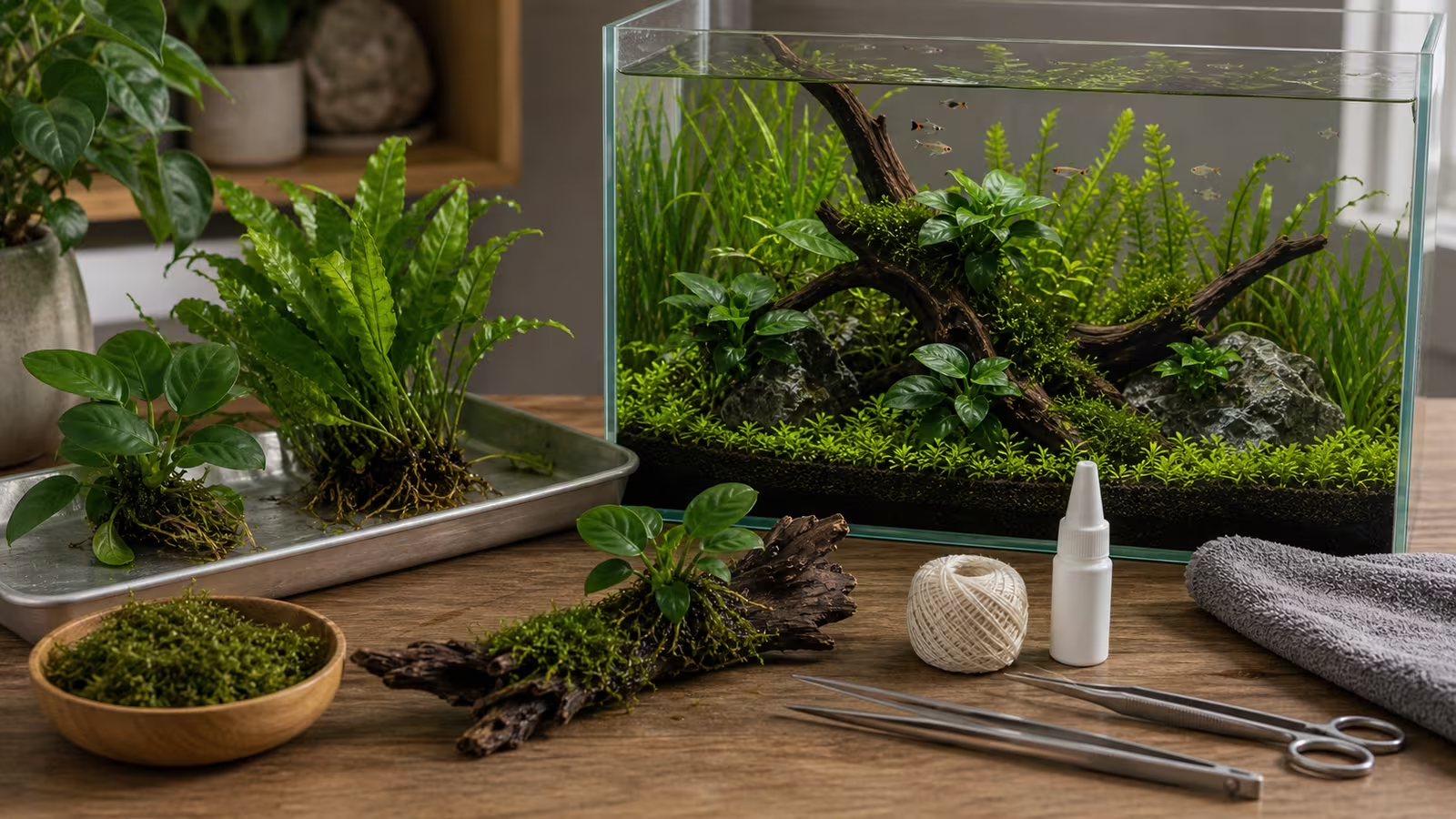
Tie rhizomes to wood or stone with cotton thread, fishing line used cautiously, or aquarium-safe glue. Place the roots against texture so they can grip. Keep the rhizome above the substrate. If a plant has been grown emersed, expect some older leaves to adapt or fade.
Avoid putting slow epiphytes directly under harsh light in a young tank. Slight shade, good flow, and clean leaves usually work better.
Common Epiphyte Uses
| Plant | Best Use |
|---|---|
| Anubias nana petite | Small hardscape accents and nano tanks. |
| Larger Anubias | Midground anchors in bigger tanks. |
| Java fern | Background texture on wood or rock. |
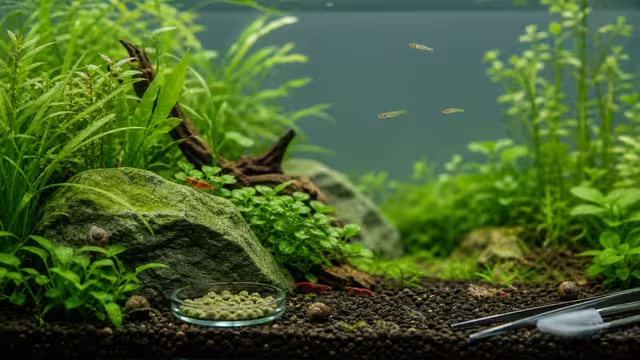
| Moss | Softening branches, shrimp grazing surfaces, fry cover. |
Common Mistakes
- Burying the rhizome.
- Placing slow leaves under excessive light.
- Buying huge plants for a tiny layout.
- Letting debris collect in moss.
- Pulling attached plants off hardscape before roots establish.
Related Fondsites Path
- Beginner Aquarium Plants That Forgive Real Life for first plant lists.
- Mosses for Nano Aquascapes for texture and care.
- Algae Prevention Basics for slow-leaf algae control.
Try This Next
Choose one piece of driftwood or stone and attach two or three small epiphytes before filling the tank. It is easier to place them deliberately outside the water than to wrestle with loose plants later.