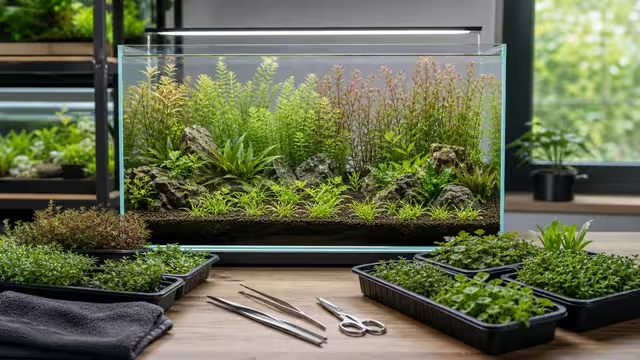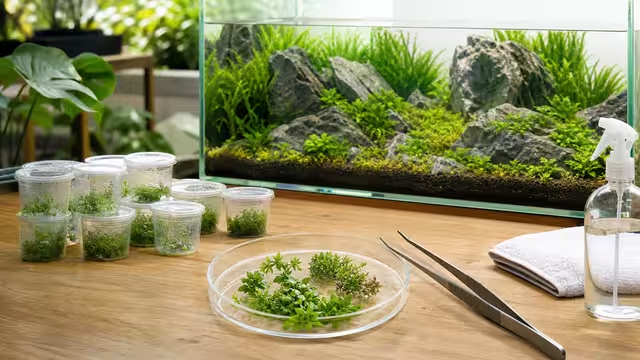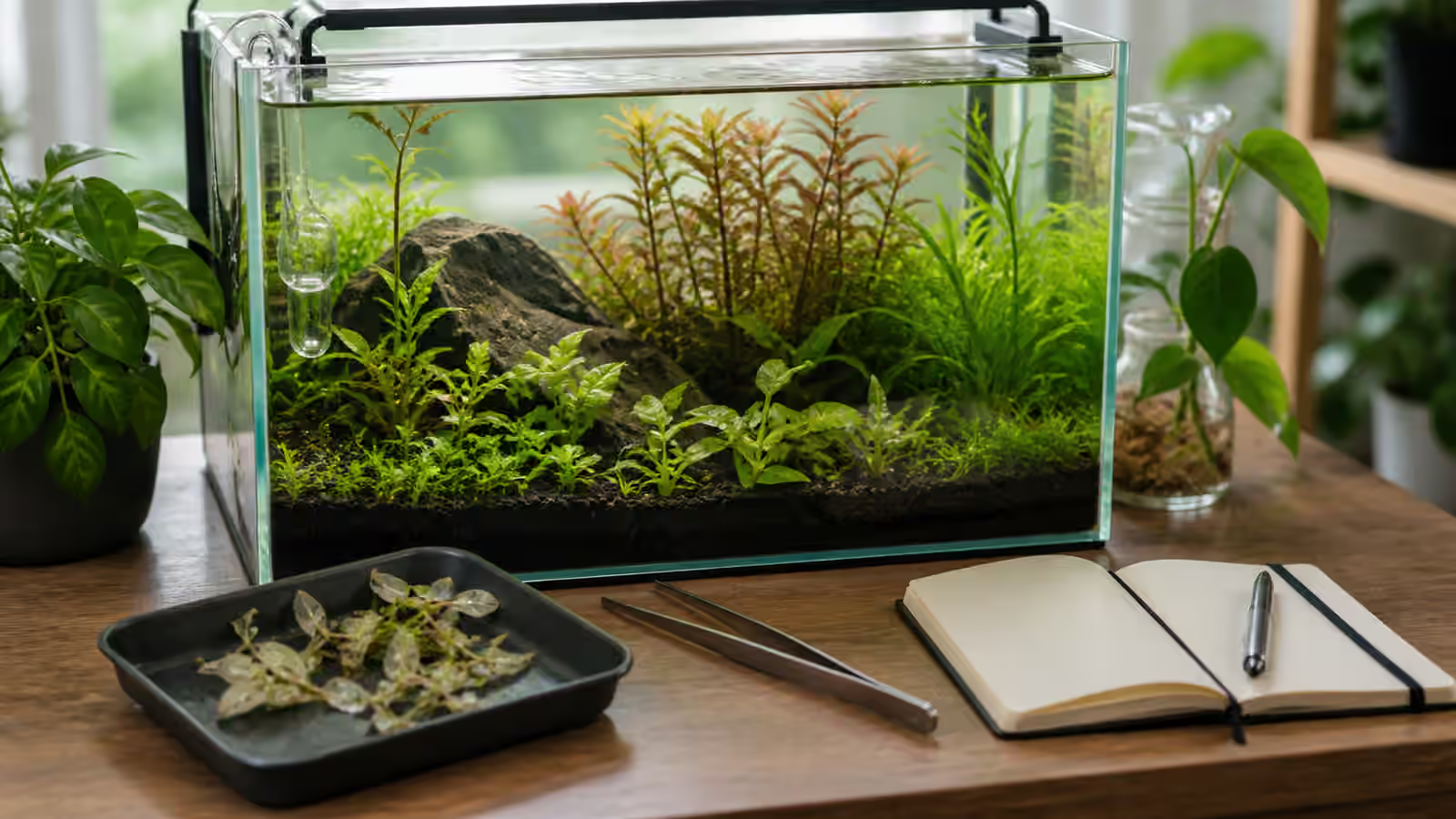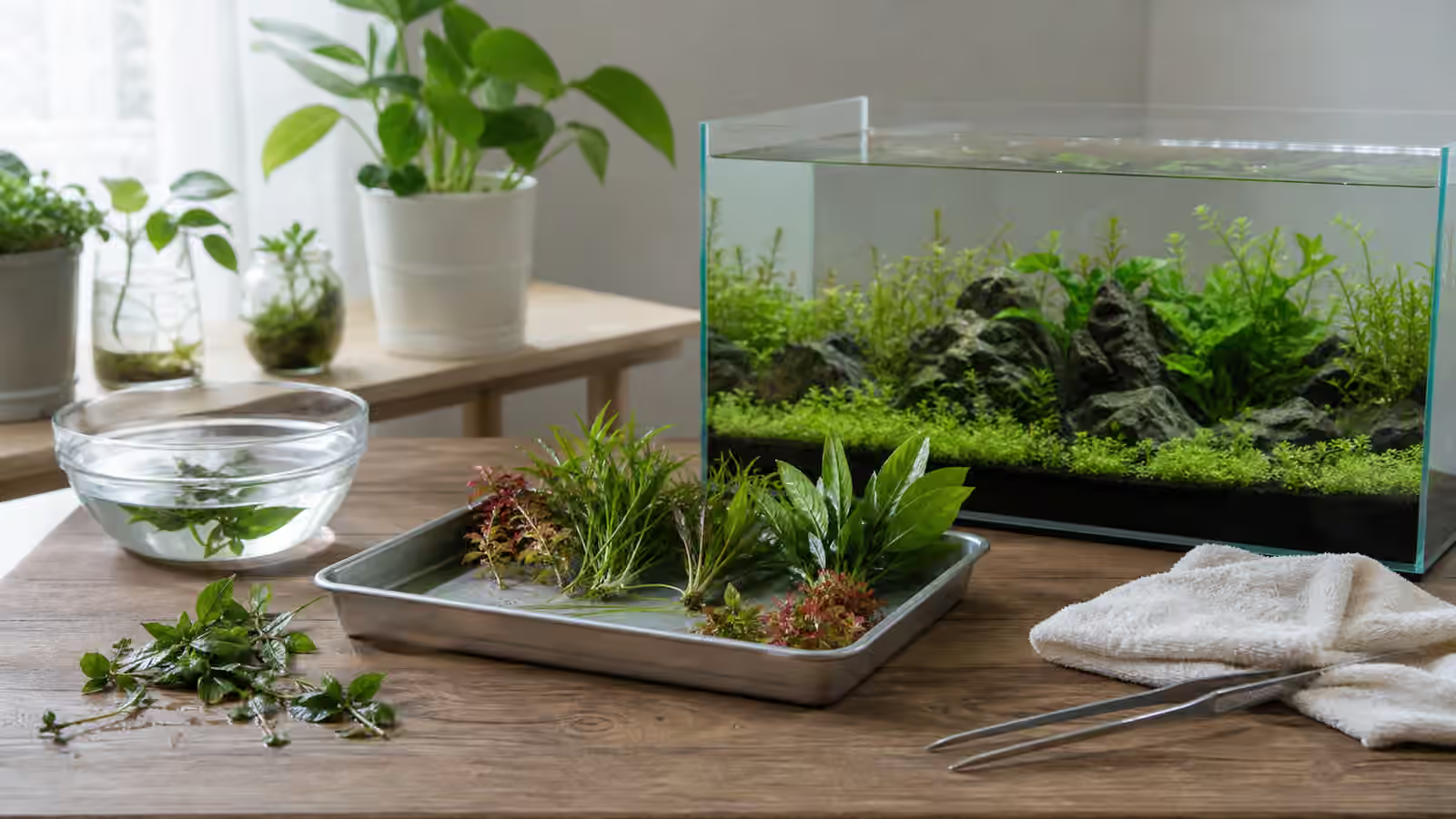
Many aquarium plants are not grown underwater before they reach a home aquascape. They may have been raised in humid air with their roots wet and their leaves above the surface. That nursery method can produce strong, clean stock, but it also means the plant you buy may not yet have the leaf form it needs for life under water. The first weeks in a planted aquarium can therefore look worse before they look better.
This is one of the reasons new aquarists think they have failed. A plant that looked crisp in a pot may soften, yellow, shed leaves, or send out a very different kind of growth. The old leaves were built for air. The new leaves are built for water. Plant Melt Recovery covers the broader panic moment; this guide focuses on the specific transition from emersed nursery growth to submerged aquarium growth.
Why Emersed Leaves Change
Leaves that grow in air have easier access to carbon dioxide, stronger structural support, and a different relationship with light and water movement. A leaf under water has to exchange gases through a film of water, bend with current, and avoid collecting debris or algae. Some plants make the switch with only minor cosmetic damage. Others discard much of the old growth and rebuild from crowns, rhizomes, stems, or nodes.
This is not a moral test of the aquarist. It is plant physiology showing up in the living room. A sword plant may hold some older leaves while sending out thinner underwater leaves. Cryptocoryne can melt heavily and then return from the crown if conditions are stable. Stem plants may drop lower leaves while growing new tips. Mosses and epiphytes can look stalled while roots attach and older tissue adjusts.
The practical skill is learning which part of the plant still has life. A melting leaf can look dramatic without meaning the plant is dead. A firm crown, rhizome, node, or green growing tip matters more than one ugly leaf. At the same time, a plant that is mushy at the base, smells rotten, or collapses through the growing point needs closer attention. Beginner Aquarium Plants That Forgive Mistakes is useful because plant selection affects how forgiving this transition feels.
Planting For The Future Form
When you plant emersed-grown stock, arrange it for the plant it is becoming, not only for the plant it is on the day of purchase. Tall nursery leaves may make a foreground plant look taller than it will be later. Compact emersed stems may become softer and more spreading under water. A tidy pot can hide a tangled root mass that needs gentle separation before planting.
Planting depth matters. Bury roots, not crowns or rhizomes that need to breathe. Rosette plants should sit with the crown just above the substrate line. Rhizome plants such as Anubias and Java fern should not have the rhizome buried, which is explained in more detail in Epiphyte Plants: Anubias, Java Fern, and Friends . Stem plants need enough stem in the substrate to stay put, but crushed lower nodes or stripped bare stems can slow recovery.
Spacing also matters. A fresh pot often looks generous because every emersed leaf is intact. If you jam all of it into one dense clump, old leaves can trap decay, shade new growth, and make trimming difficult. Separate plants carefully into smaller portions when the species allows it. Give each portion enough room for light and flow to reach the base. The tank may look sparse at first, but the plant has a better chance to build submerged growth where you can see it.
What To Trim And What To Leave
The urge to trim every imperfect leaf is understandable. Brown edges and translucent patches are not attractive. Still, trimming too aggressively can remove stored energy before the plant has replaced it. Leave firm leaves that are still contributing to the plant, especially if they are not shading new growth or rotting. Remove leaves that are melting into mush, detaching, or fouling the water.
Use clean scissors or fingers, and remove damaged tissue at a sensible point. Do not pull a whole plant out of the substrate every time a leaf looks bad. Uprooting repeatedly damages new roots and turns adjustment into repeated shock. If debris collects around a melting plant, use gentle siphon control during a water change rather than digging through the root zone.
For stem plants, watch the tips. If the lower emersed leaves deteriorate but the tip is growing with smaller submerged leaves, the plant may be adapting. Later, you can trim and replant healthy tops, a process covered in Stem Plants, Trimming, and Bushy Growth . For rosette plants, watch the center. New leaves from the crown are more important than the outer leaves that came from the nursery.
Stability Beats Rescue Drama
The transition is easier when the aquarium is stable. That does not mean chasing perfect numbers. It means avoiding wild changes in light, fertilizer, CO2, water changes, and planting depth while the plant is trying to adapt. Strong light over weak, melting plant mass often invites algae before it produces stronger growth. A modest photoperiod, steady water changes, and patient observation usually teach more than constant intervention.
If you use CO2, stability is more important than heroic bubbles. CO2 Tuning for Stability explains why fluctuating carbon can stress plants and animals. If you run a low-tech tank, the same principle applies in a quieter way. Match light to plant mass and nutrient pace. Light Balance for Aquatic Plants is often the better fix than buying another plant cup.
Source water and substrate also shape the transition. Plants coming from soft nursery water may react to hard tap water, while root feeders may need time to reach nutrients. That does not mean every tank needs complicated chemistry. It means your first response should be observation and gradual adjustment. Keep notes on when the plant was added, when old leaves began to fail, and where new growth appears. The Aquascape Photo Journal can turn a discouraging week into useful evidence.
Buying With The Transition In Mind
When choosing plants, look past the display leaves. Ask whether the plant is commonly sold emersed, how large its submerged form becomes, and whether it suits your light, CO2, substrate, and maintenance habits. Glossy emersed leaves are not proof that the plant will stay compact or colorful under water. They are proof that the nursery stage was healthy enough to sell.
Avoid treating the transition as a reason to buy every delicate plant twice. A better approach is to buy fewer species in enough quantity to plant them well. Choose hardy fast growers to help the new tank stabilize, then add slower feature plants after the system is readable. Planting Density for New Aquascapes pairs naturally with this topic because the tank needs enough plant mass without becoming a pile of decaying nursery leaves.
Inspection still matters. Emersed-grown plants can bring damaged leaves, hitchhikers, fertilizer residue, or decaying material. Plant Quarantine and Pest Inspection gives a calmer process than simply rinsing and hoping. Tissue culture plants reduce some visible hitchhiker risk, but they have their own preparation needs, which are covered in Tissue Culture Plants in Planted Aquariums .
Reading The First Month
The first month is not a beauty contest. Look for new growth, not perfect old growth. Look for roots gripping substrate, rhizomes staying firm, stems producing submerged tips, and leaves that stop melting as the plant settles. Remove decay, keep water changes steady, and resist the habit of replacing every struggling plant before it has time to show its underwater form.
Some plants will fail anyway. A plant may be wrong for the tank, damaged before purchase, too shaded, too demanding, or simply unlucky in transition. That is disappointing, but it is different from a tank-wide disaster. The useful question is what the failure teaches about light, flow, planting depth, species choice, and patience.
A planted aquarium becomes more stable when the keeper stops judging it by the sales pot and starts judging it by new submerged growth. Emersed leaves are a starting costume. The real aquascape begins when the plant rebuilds itself for the water you actually keep.