Driftwood changes a planted aquarium before any plant grows on it. It gives scale, shade, anchoring points, grazing surfaces, and a natural line for the eye to follow. It can also tint water amber, grow temporary biofilm, float when you expect it to sink, and carry debris into the tank if it is chosen or prepared carelessly. None of those facts make driftwood a bad material. They make it a material that deserves a little patience before it becomes the center of the aquascape.
Tannins are the most visible surprise. Many aquarium woods release organic compounds that stain water tea-colored. Some aquarists like the look and the softer visual mood. Others want crystal-clear water because the aquascape depends on bright greens and clean depth. The key is to decide what kind of tank you are building, then prepare the wood enough that amber water is a choice rather than a shock.
Tannins Are A Water Clue, Not Dirt
Amber water from driftwood is often mistaken for dirty water. It can look alarming if the aquarist expected a clear display. Tannins themselves are not the same as ammonia, nitrite, or decaying waste, and many fish species naturally live in tannin-stained waters. Still, a beginner should not use that general truth as permission to ignore water quality. Stained water can coexist with safe water, and stained water can also hide other problems.
Testing matters because color alone does not tell the whole story. If a new piece of wood tints the tank but ammonia and nitrite stay safe, livestock behave normally, and the wood is not rotting, the issue may be aesthetic rather than urgent. If the tank smells foul, water tests are unsafe, livestock are stressed, or the wood is falling apart, that is a different problem. Water Testing for Aquascapes helps keep the response evidence-based.
Tannins usually lessen with time, soaking, and water changes. Some woods release heavily at first and then calm down. Others continue tinting for a long period. The aquarist does not need to remove every trace before using the wood, but knowing its behavior reduces surprises.
Soaking Is Preparation And Observation
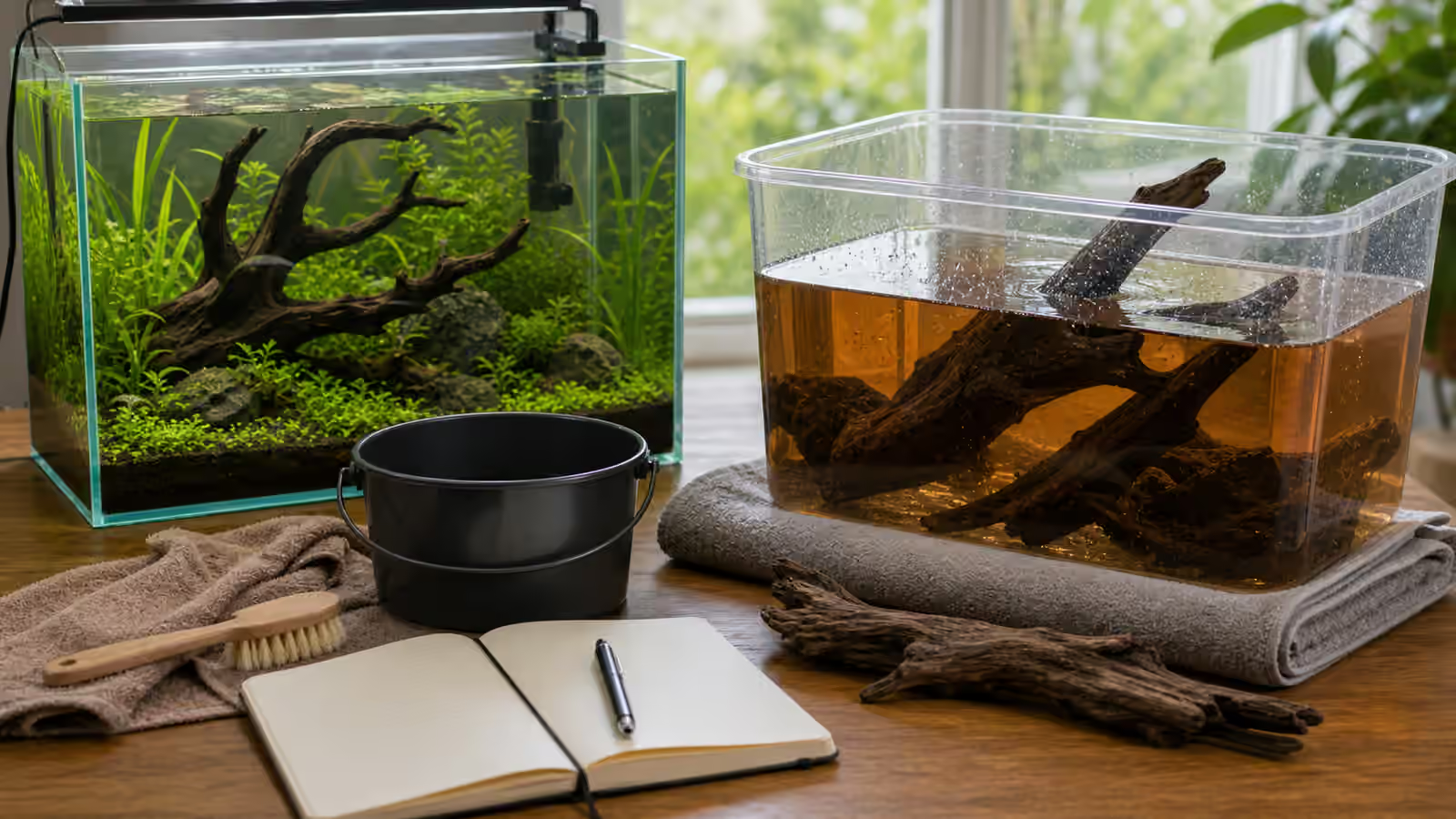
Soaking driftwood in a clean aquarium-only container lets you see three things: how much it floats, how much it stains water, and whether loose debris or soft areas appear. The container does not need to be fancy. It should be large enough to submerge the wood as much as possible, placed where spills will not damage anything, and kept away from household cleaners or scented products.
Water may darken quickly. Changing the soaking water can remove some tannins before the wood enters the display. Weighing or wedging floating wood must be done safely; unstable rocks or improvised weights can create breakage or injury later. Some pieces take patience before they sink. Rushing a floating branch into an aquascape can lead to uprooted plants and collapsed hardscape when it moves.
Scrubbing the surface with an aquarium-only brush can remove dirt and loose material. Avoid soaps, detergents, bleach, and scented cleaning products. Boiling is often discussed, but it is not always practical or safe for large pieces, and it can crack some wood or create household hazards. If heat treatment is used, it should be done cautiously and never with a pot or tool that creates contamination concerns for future food use.
Biofilm Is Common On New Wood
New driftwood often grows a pale or translucent film after it is submerged. This can look unpleasant, especially in a carefully planted tank. In many cases it is temporary biofilm feeding on fresh organics from the wood. It can be siphoned, gently brushed, or left for suitable cleanup organisms if the tank is otherwise stable and the livestock plan supports them.
Biofilm is not the same as a dead fish, a chemical spill, or a cycle crash. Context matters. If the film is light, the water tests are safe, and livestock behave normally, it may be a passing phase. If the wood smells rotten, sheds mush, clouds the tank heavily, or causes distress, remove it and reassess the material. A good aquascape does not require tolerating questionable wood.
Snails and shrimp may graze on biofilm, but they should not be added to an unready tank just to clean a new branch. Stocking should still follow the animal-first restraint in Plant Before Fish Plan and Shrimp Tank Basics . Cleanup animals are livestock, not disposable tools.
Tannins And Aquascape Style
Amber water changes the way an aquascape reads. Greens may look warmer and darker. Red stems may appear richer but less crisp. Fine depth cues can soften. Fish colors may show differently. A nature-style layout with roots, shade, and leaf litter may welcome that mood. A bright carpeting layout with high clarity goals may not.
That visual decision connects to Aquascape Composition Rules That Actually Help . The wood is not only a biological object. It is a line, shadow, and mass in the composition. If tannins make the water too dark for the intended sense of depth, the aquarist can soak longer, use regular water changes, consider appropriate filtration choices, or choose a different wood. If the amber tint supports the intended habitat mood, the aquarist can stop treating it as a flaw.
The important part is honesty. Do not call the water dirty only because it is warm-colored, and do not call it natural only to avoid testing and maintenance. A planted tank can be clear, lightly amber, or intentionally darkened. Each version still needs stable water, safe materials, and suitable animals.
Wood Placement Before Planting
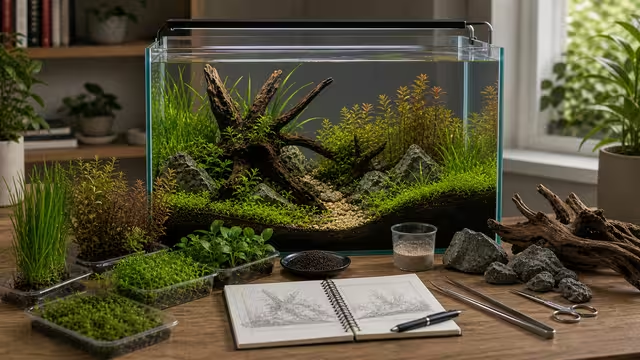
Driftwood should be stable before delicate planting begins. A branch that shifts after carpeting plants are planted can uproot hours of work. A large piece placed against the glass can block cleaning. Wood that traps debris in a dead corner can create maintenance frustration. Dry layout planning helps, and the basics in Driftwood, Rocks, and Substrate still apply.
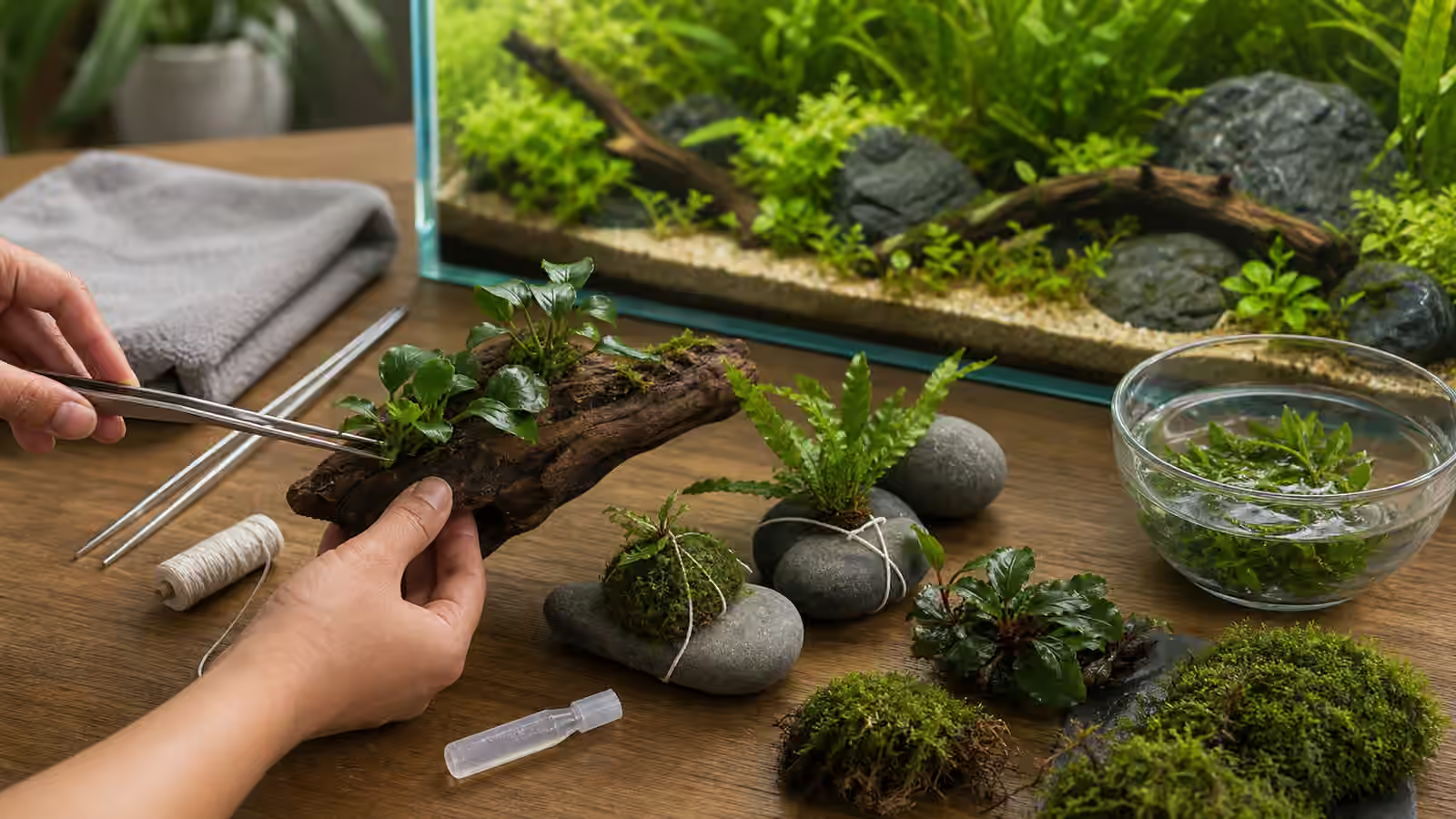
Think about the future size of plants. A beautiful branch may disappear behind fast stems if the background is planted too densely. Moss tied to wood may need trimming so it does not become a debris sponge. Rhizome plants attached to wood should not have their growing rhizomes buried under substrate to hide glue or thread. The wood should make maintenance easier to understand, not harder.
Also consider removal. If the wood later needs to come out, can it be lifted without tearing the whole aquascape apart? A centerpiece buried under heavy stone, rooted plants, and equipment can become a trap. Stability matters, but so does serviceability.
Disposal And Source Responsibility
Aquarium wood, plants, and water should not be dumped carelessly outdoors. Even if the wood itself is not alive, it may carry plant fragments, snails, eggs, or organisms from the tank. Local rules vary, and invasive-species boundaries matter. Invasive Species Disposal for Aquariums is the right companion when hardscape leaves a tank.
Responsible sourcing matters too. Avoid wood from protected areas, polluted sites, roadsides, treated lumber, unknown yard waste, or places where collection is not allowed. A store-bought aquarium piece can still need rinsing and observation, but it begins with a clearer safety story than a mystery branch.
Well-prepared driftwood becomes part of the tank’s rhythm. It may tint water for a while. It may grow a film. It may need moss trimmed and debris siphoned from around its base. Those are manageable realities when the aquarist expects them. The best wood is not the piece that never changes the tank. It is the piece whose changes are understood before animals and plants have to live with them.