Driftwood, rocks, and substrate do more than create a look. They affect water, planting, cleaning, animal movement, and sometimes legality. A smooth stone can be inert or it can raise hardness. Wood can sink immediately or float for weeks. Substrate can hold roots well or become a compacted trap. Collected materials can carry pollutants, pests, sharp edges, or local-rule problems.
The safest beginner path is known aquarium-safe material from a reputable source. That does not mean every store item is perfect or every collected item is impossible, but it removes many unknowns while you are still learning the tank itself.
Driftwood
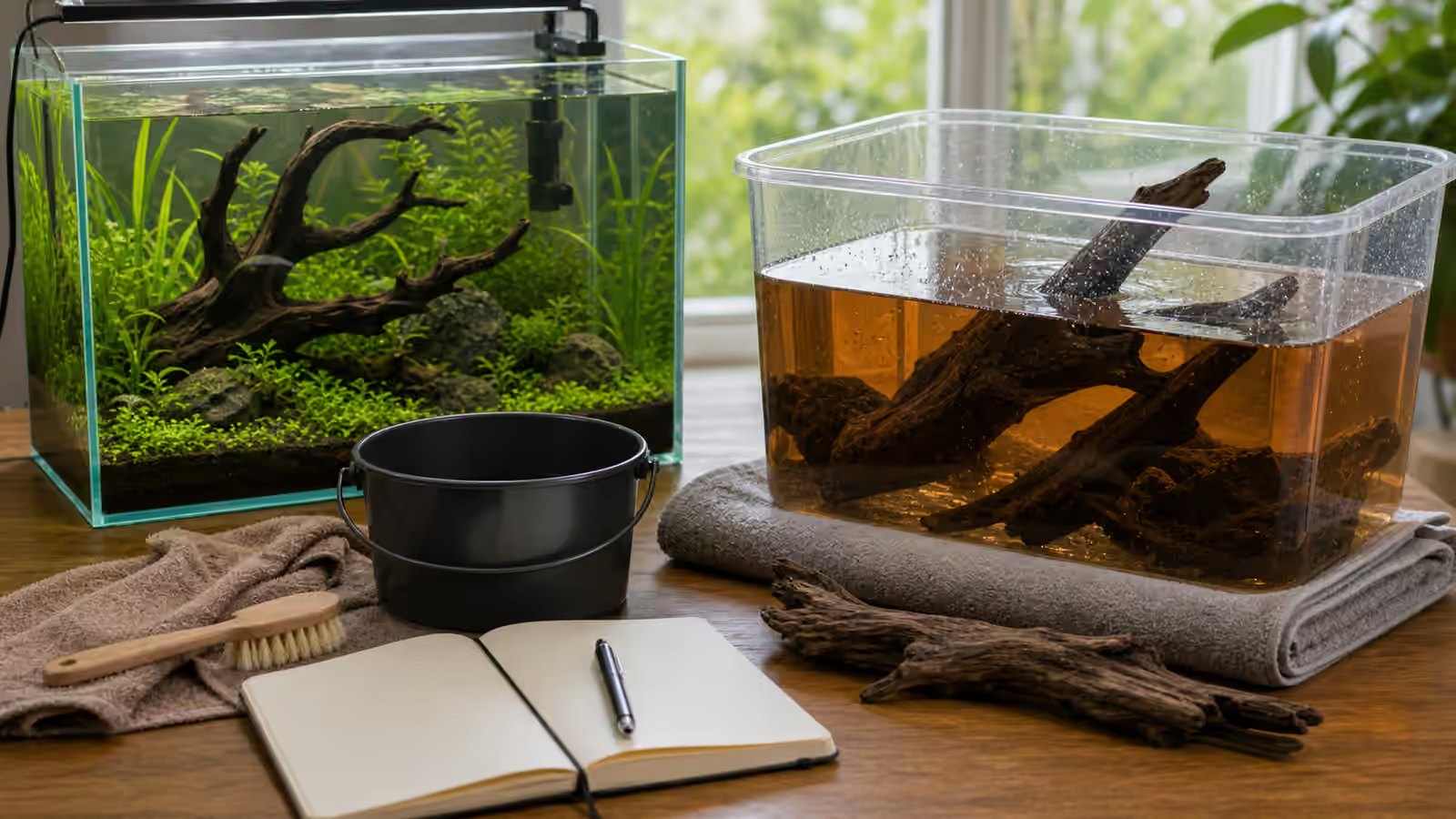
Aquarium wood can release tannins that tint water brown. That is not automatically harmful, and some keepers like the look, but it can surprise beginners who expected perfectly clear water. Wood may also float until it is soaked or secured. Boiling or soaking can help with sinking and surface debris, but large pieces may still need time.
Avoid wood with unknown coatings, rot, sap, pesticides, or urban contamination. If the tank will house delicate animals, make sure the wood has no sharp splinters or unstable branch points.
Rocks
Some stones affect hardness and pH. That can be desirable for certain livestock and wrong for others. Smooth, stable, aquarium-safe rock is usually easier than mystery stone. Avoid sharp edges where long-finned fish, soft-bodied animals, or delicate shrimp will be forced to pass.
Heavy stones should sit securely. Do not build a leaning pile that depends on substrate alone to stay upright. Burrowing, planting, cleaning, or a bump can shift unstable hardscape.
Substrate
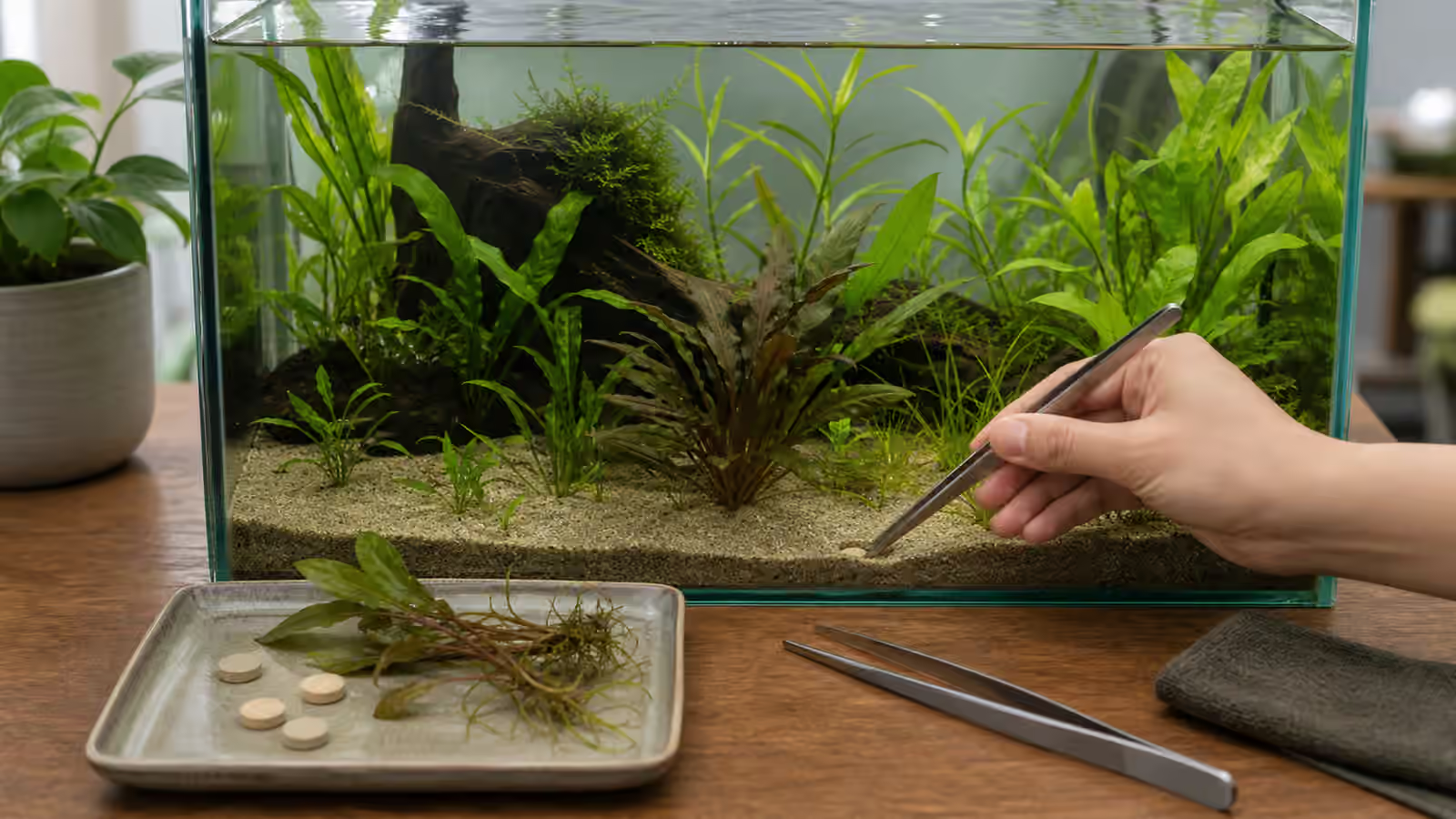
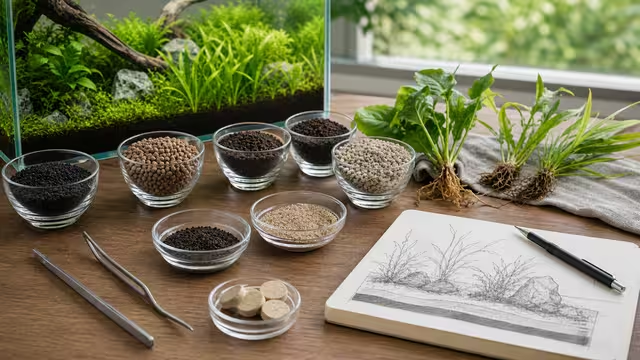
Substrate should match the plants and maintenance style. Inert sand can look clean but may need root tabs for heavy root feeders. Coarser gravel can trap debris. Aquasoil can feed plants but may affect early water chemistry. Bright decorative gravel may fight the natural look and can make debris more visible.
Common Mistakes
- Using unknown rocks or wood because they look perfect.
- Ignoring hardness changes until livestock struggles.
- Choosing substrate color before plant needs.
- Stacking heavy rocks against glass.
- Forgetting that substrate depth changes planting and cleaning.
Related Fondsites Path
- Clear Water Lab for source-water and testing habits.
- Keepers Guild for material caution and maintenance records.
- Visual Prompt Lab for documenting layout choices.
Try This Next
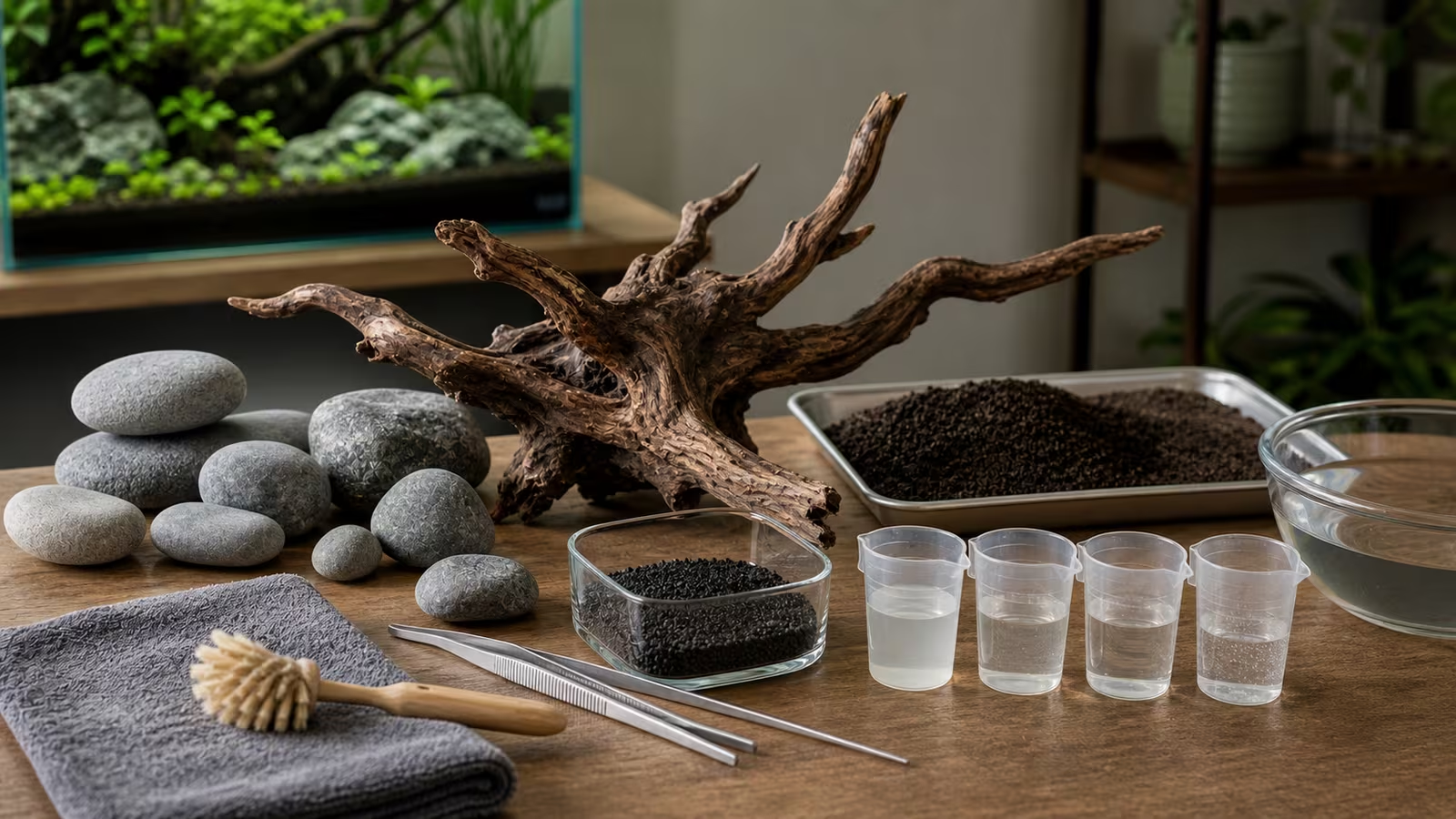
Before filling the display, lay out every material on a towel. Remove sharp pieces, test questionable stone outside the tank, and write down what each material is. If you cannot identify it or explain why it is safe, do not make it the foundation of a living system.