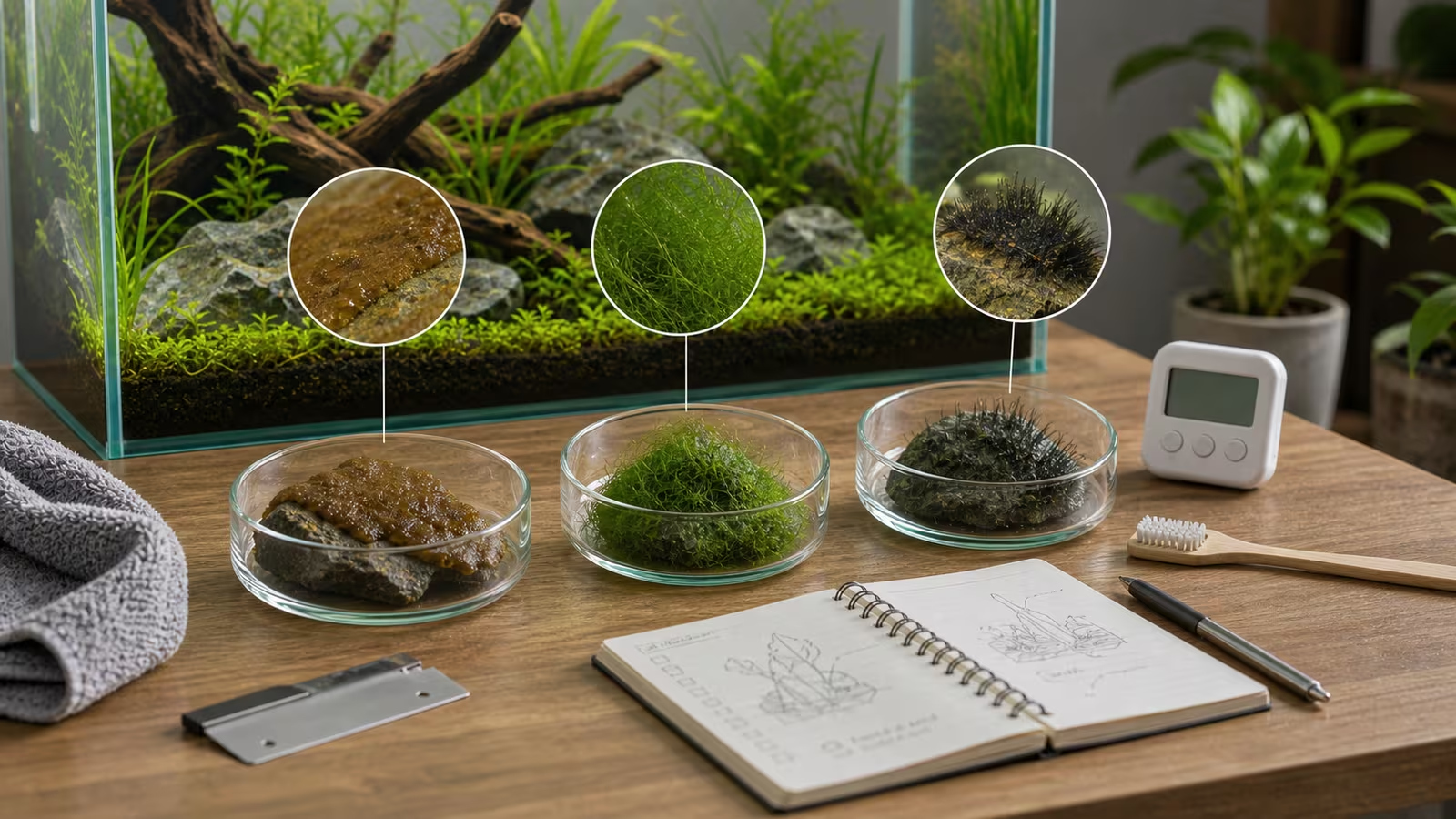
Not all algae means the same thing. Brown dust on a new tank, long green threads on stems, and dark brushy tufts on hardscape point toward different questions. Naming the pattern helps you avoid treating every algae spot with the same dramatic response.
Algae identification is not about shame. It is about clues: tank age, light, nutrients, flow, plant health, feeding, debris, and recent changes.
Diatoms
Diatoms often appear as brown dust or film in newer tanks. They may coat glass, substrate, and leaves. They can be annoying, but they are common during early establishment. Gentle cleaning, patience, steady maintenance, and plant growth often matter more than panic.
Check whether the tank is new, whether light is excessive, and whether debris is accumulating. Do not deep-clean the biological filter just because diatoms are ugly.
Hair Algae
Hair algae forms green strands or tangles. It often points to excess light, nutrient imbalance, low plant competition, poor maintenance, or too much available waste. Manual removal is useful because it exports biomass. Then correct the conditions that let it thrive.
Do not add animals solely as tools. Some animals eat some algae, but compatibility and welfare come first.
Black Beard Algae
Black beard algae appears as dark, brushy tufts on hardscape, leaf edges, and equipment. It can be stubborn. Prevention and early removal are easier than full eradication. Look at flow patterns, CO2 stability if used, decaying leaves, and slow-growing plants under too much light.
Common Mistakes
- Treating early diatoms like a disaster.
- Letting hair algae grow huge before manual removal.
- Expecting one algae-eating animal to solve the root cause.
- Scrubbing slow-growing plant leaves to death.
- Using harsh products in shrimp or snail tanks.
Related Fondsites Path
- Algae Diagnosis Guide for a structured triage.
- Light Balance for Aquatic Plants for energy balance.
- Feeding Without Polluting the Tank for waste control.
Try This Next
Take a close photo, name the algae pattern, and write three context notes: tank age, light schedule, and recent changes. Remove what you can manually, then adjust the likely cause slowly.