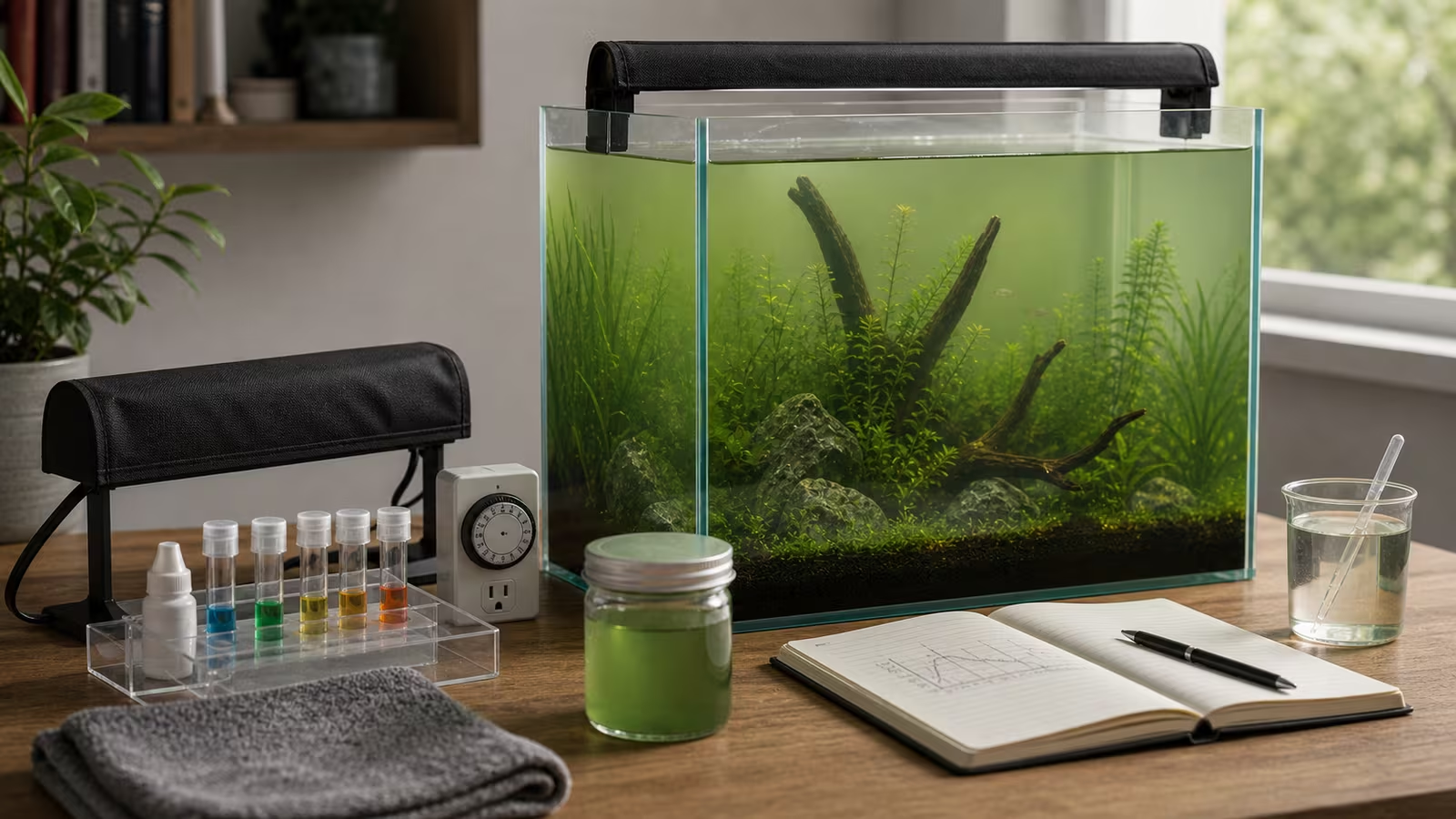
Green water is usually a suspended algae bloom. The tank may look like pea soup, light may seem to vanish, and the aquascape can feel lost. It is frustrating, but panic responses can create more stress than the bloom itself, especially in a stocked tank.
Start by protecting livestock and oxygen. Then look for triggers: excessive light, direct sun, nutrient swings, overfeeding, immature biological filtration, disturbed substrate, or a tank that was changed too aggressively.
What To Check First
| Check | Why It Matters |
|---|---|
| Ammonia and nitrite | Green water can coexist with unsafe cycling problems. |
| Light duration | Long light hours feed suspended algae. |
| Direct sun | Window exposure can overwhelm a careful schedule. |
| Feeding | Extra food becomes extra nutrients. |
| Recent disturbance | Major rescapes, substrate disruption, or filter cleaning can destabilize the tank. |
Calm Responses
Reduce excess light. Remove direct sun if present. Feed carefully. Keep filtration running. Maintain oxygen. Do normal, controlled water changes rather than endless huge resets unless a water-quality emergency requires more active intervention. Consider fine mechanical filtration or UV only when you understand the system and livestock risk.
Do not buy animals to solve green water. The issue is suspended algae and system balance, not a lack of workers.
Common Mistakes
- Doing massive repeated water changes without addressing light or nutrients.
- Turning off filtration to “rest” the tank.
- Adding random chemicals in a stocked shrimp or snail tank.
- Replacing all filter media during the bloom.
- Leaving the light off so long that plants suffer, then creating a new imbalance.
Related Fondsites Path
- Algae Diagnosis Guide for sorting algae clues.
- Water Testing for Aquascapes for evidence before action.
- Pawstead for animal welfare and professional-help boundaries.
Try This Next
Write down light hours, window exposure, feeding, tests, and what changed in the last two weeks. Green water usually has a story. Find the story before choosing the fix.