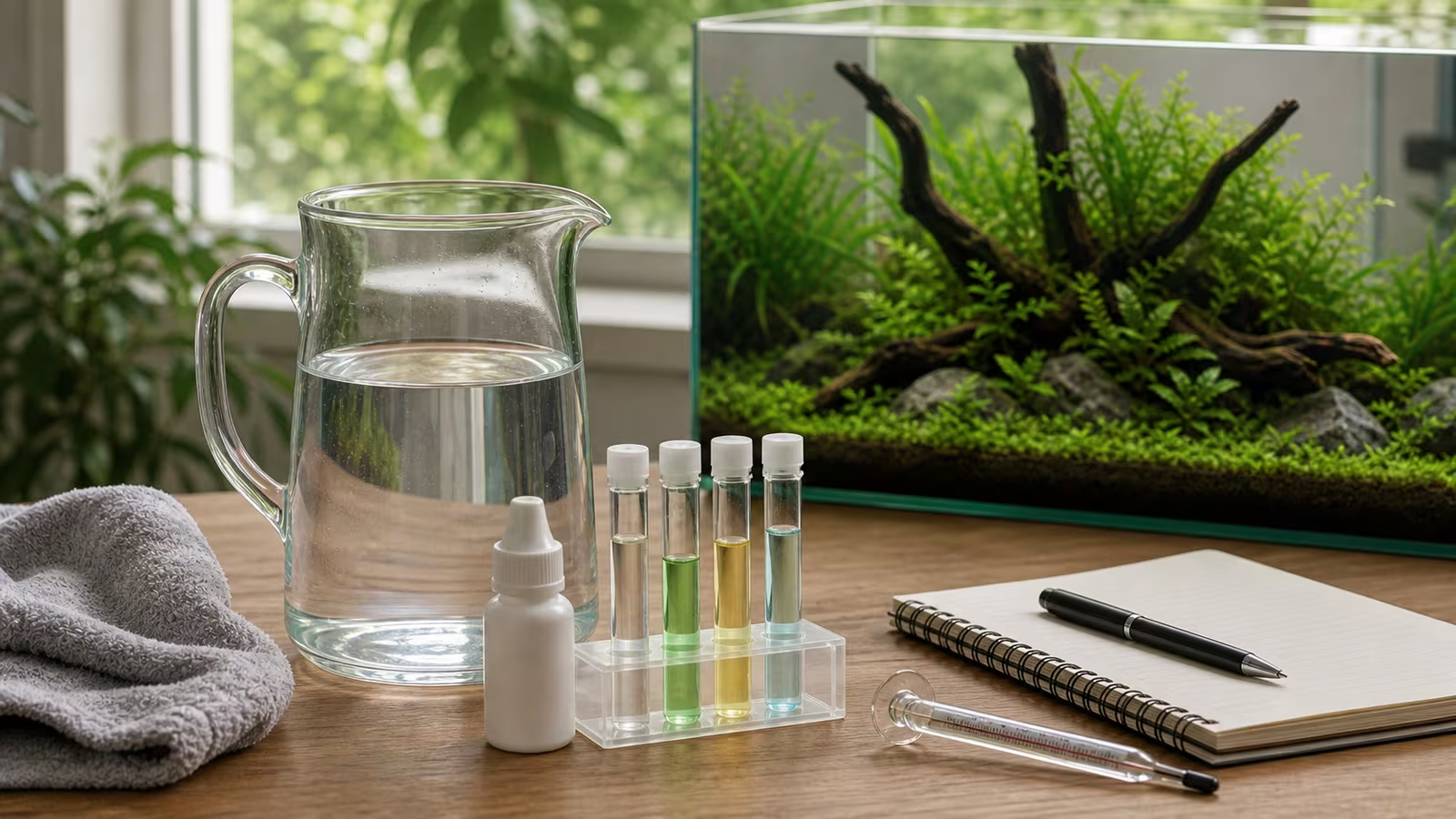
Aquarium water begins before the tank. City tap water, private well water, softened water, reverse-osmosis water, store water, and rainwater can all behave differently. A planted tank keeper does not need to become a chemist, but they do need to know what water is entering the system and what must happen before animals or plants depend on it.
For many municipal supplies, dechlorinator is non-negotiable because chlorine or chloramine can harm animals and beneficial bacteria. The exact product dose should follow the label. More product is not automatically better, and mixing products casually can create confusion.
Source Types
| Source | What To Check |
|---|---|
| Municipal tap | Chlorine or chloramine, pH, hardness, seasonal changes, and advisories. |
| Private well | Lab testing, minerals, metals, nitrates, bacteria risk, and local guidance. |
| Softened water | Sodium or potassium exchange, hardness changes, and livestock fit. |
| RO water | Very low minerals; often needs remineralization for animals and plants. |
| Store water | Consistency, mineral content, handling, and cost over time. |
Dechlorinator Basics
Use dechlorinator when the source water requires it. Dose for the amount of new water being treated unless the product instructions say otherwise. Treat water before or during filling in a way that keeps livestock and bacteria protected. Store products safely and replace them if expired or contaminated.
If your utility uses chloramine, use a conditioner appropriate for chloramine. If you are unsure, check your water provider or report. Clear Water Lab can help with the habit of starting from source evidence instead of guessing.
RO And Remineralization
RO water can be useful for certain setups, but it is not automatically better. Pure or near-pure water lacks minerals many animals need. Shrimp, snails, fish, and plants may require GH, KH, and trace minerals within appropriate ranges. If you use RO, plan remineralization and testing before animals enter the tank.
Common Mistakes
- Adding untreated tap water in a rush.
- Assuming clear water is aquarium-ready.
- Using softened water without understanding what changed.
- Using RO water with no mineral plan.
- Chasing pH instead of choosing livestock that fits the source water.
Related Fondsites Path
- Clear Water Lab for water reports and testing boundaries.
- Water Testing for Aquascapes for aquarium-specific test habits.
- Shrimp Tank Basics for mineral-sensitive livestock.
Try This Next
Write down your source water, conditioner, usual water-change volume, temperature-matching method, and any hardness or pH notes. Tape the dosing rule near the bucket so maintenance does not depend on memory.