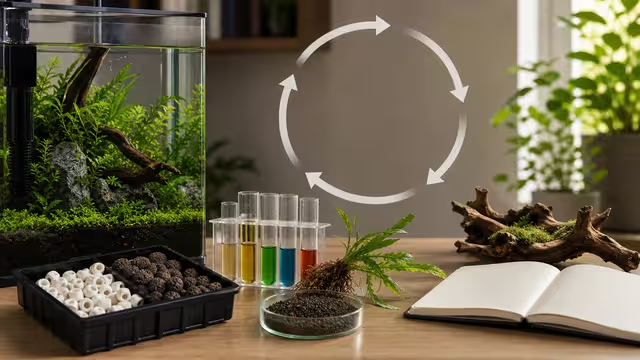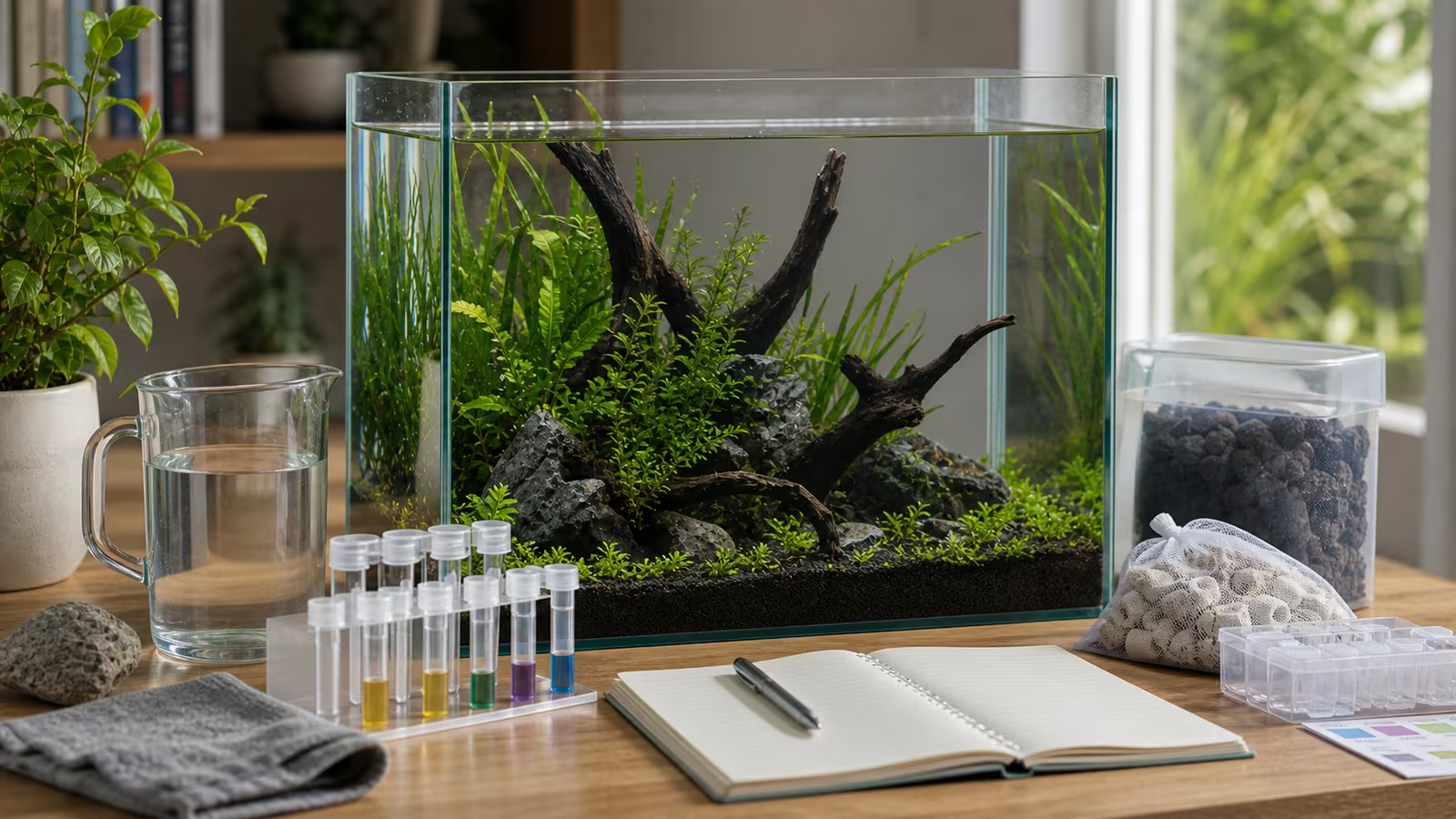
Cycling is the process of establishing the biological filter that helps convert animal waste and decomposing material into less immediately dangerous forms. It is one of the clearest places where patience protects animals. A tank can look clean and still be unsafe if ammonia or nitrite is present.
Plants can help a cycling tank, but they do not cancel the need to understand cycling. Fast-growing plants can take up nitrogen. Established plants and surfaces can carry helpful microbes. But new plants, new substrate, new filters, and new keepers still need testing and time.
Plain Definitions
| Term | Plain Meaning |
|---|---|
| Ammonia | Waste-related compound that can harm animals. |
| Nitrite | A cycling-stage compound that can also harm animals. |
| Nitrate | A later-stage compound managed through plants, water changes, and stocking restraint. |
| Beneficial bacteria | Microbes that live on filter media, substrate, hardscape, and other surfaces. |
| Mature media | Filter media from an established healthy tank. |
What To Track
Track ammonia, nitrite, and nitrate. Write down dates and water changes. Do not rely on “the water is clear” or “it has been a week.” Cycling speed depends on temperature, source of ammonia, filter media, plant mass, substrate, bottled bacteria if used, and whether anything disrupted the system.
If you seed with mature media from a healthy tank, the cycle may establish faster. If everything is new, it may take longer. Either way, the proof is the test pattern, not the calendar.
Plants During Cycling
Planting before animals can be helpful. It gives roots time to settle, lets plant melt happen without livestock stress, and creates more surfaces for microbes. Remove decaying leaves so they do not add unnecessary waste. Keep light moderate so the cycling tank does not become an algae farm.
Common Mistakes
- Adding animals because the tank looks clear.
- Replacing all filter media during cycling.
- Confusing nitrate presence with complete readiness.
- Forgetting to dechlorinate water before it reaches useful bacteria.
- Testing once and declaring the tank done.
Related Fondsites Path
- Clear Water Lab for testing habits and source-water thinking.
- Pawstead for animal welfare before convenience.
- Water Change Planner for maintenance after cycling.
Try This Next
Create a cycling log with date, ammonia, nitrite, nitrate, water change, plant notes, and anything added. Do not add animals until the pattern supports it and the stocking plan is conservative.