Injected CO2 can unlock fast growth, dense carpets, and demanding plant choices. It can also add cost, failure points, livestock risk, and maintenance pressure. A low-tech planted tank can be slower and less dramatic, but it can be stable, beautiful, and much easier to live with.
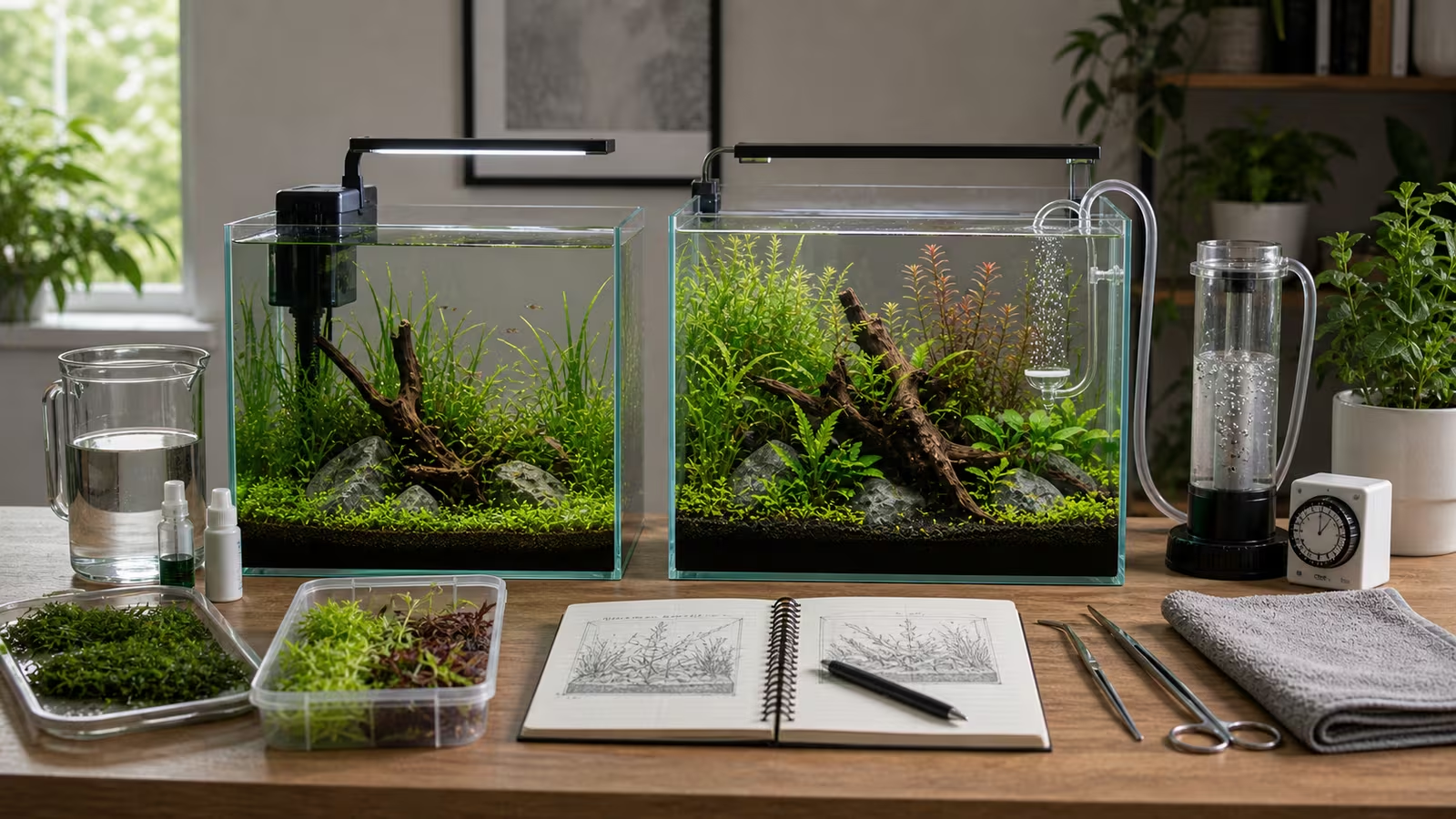
The question is not whether CO2 is good or bad. The question is whether it matches the tank you want, the plants you chose, and the amount of attention you can give the system every week.
What Low-Tech Means
Low-tech usually means no injected CO2. These tanks rely on moderate light, suitable plants, reasonable fertilizer, livestock waste, surface gas exchange, and patience. Growth tends to be slower, which is not a flaw. Slow growth can mean less trimming, less instability, and fewer surprises.
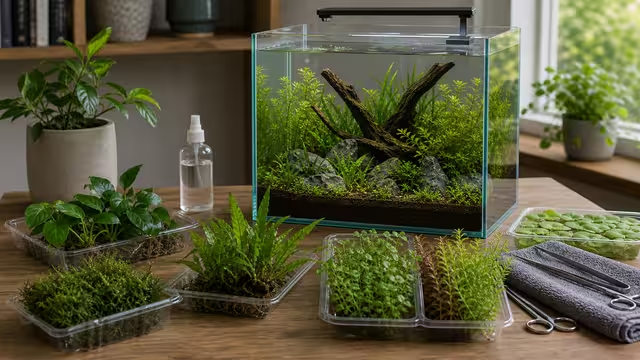
Low-tech tanks favor plants such as Anubias, Java fern, crypts, mosses, many floaters, some swords, and undemanding stems. They are a good fit for people who want a living display without turning the aquarium into a technical project.
What CO2 Changes
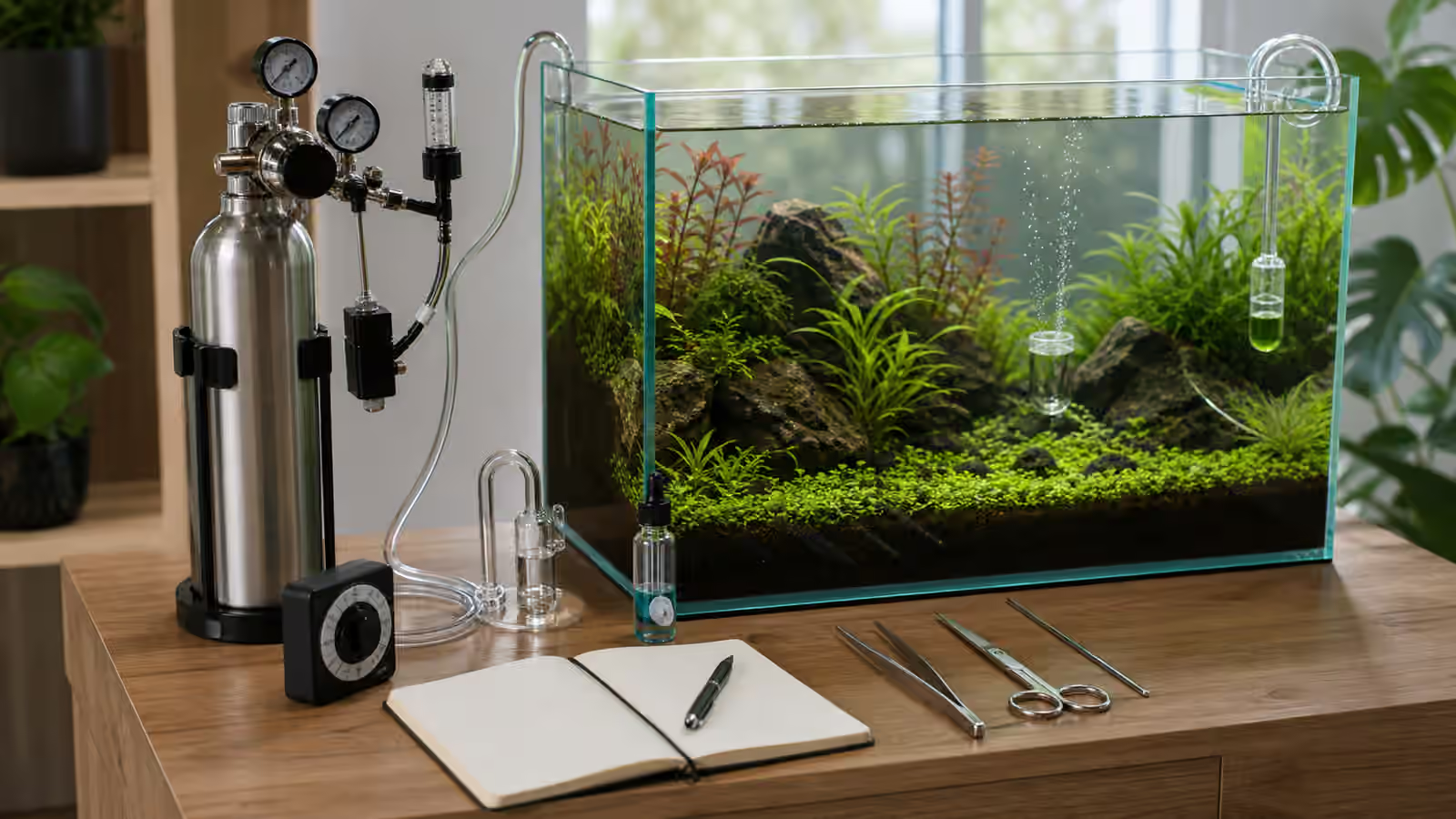
CO2 gives plants more available carbon, especially when light and nutrients are also available. That can support carpeting plants, red stems, dense trimming layouts, and faster recovery after pruning. But CO2 does not fix poor stocking, bad flow, unstable light, uncycled filters, or neglected maintenance.
Once light, fertilizer, and CO2 are pushed higher, the tank has less tolerance for inconsistency. A missed refill, blocked diffuser, timer error, or overpowered photoperiod can create trouble quickly.
Choosing A Path
| Goal | Better Starting Path |
|---|---|
| Relaxed beginner aquascape | Low-tech |
| Shrimp-focused nano tank | Low-tech or very cautious CO2 |
| Dense carpet in bright light | CO2 likely needed |
| Minimal equipment | Low-tech |
| Contest-style trimming layout | CO2 may fit |
Common Mistakes
- Buying CO2 before learning water changes, testing, and plant selection.
- Running strong light on a low-tech tank and blaming the plants.
- Adding CO2 to a stocked aquarium without monitoring livestock behavior.
- Treating CO2 as a substitute for fertilizer, flow, or maintenance.
- Choosing demanding plants while wanting a very low-attention tank.
Related Fondsites Path
- Low-Tech Planted Tank Setup for the simpler path.
- Plant Light Matcher for matching ambition to light.
- Aquascape Budget Starter for cost planning.
Try This Next
Write down your three must-have plants. If they are mostly slow growers and epiphytes, start low-tech. If they are carpeting or high-light stems, price the full CO2 system before buying the plants.