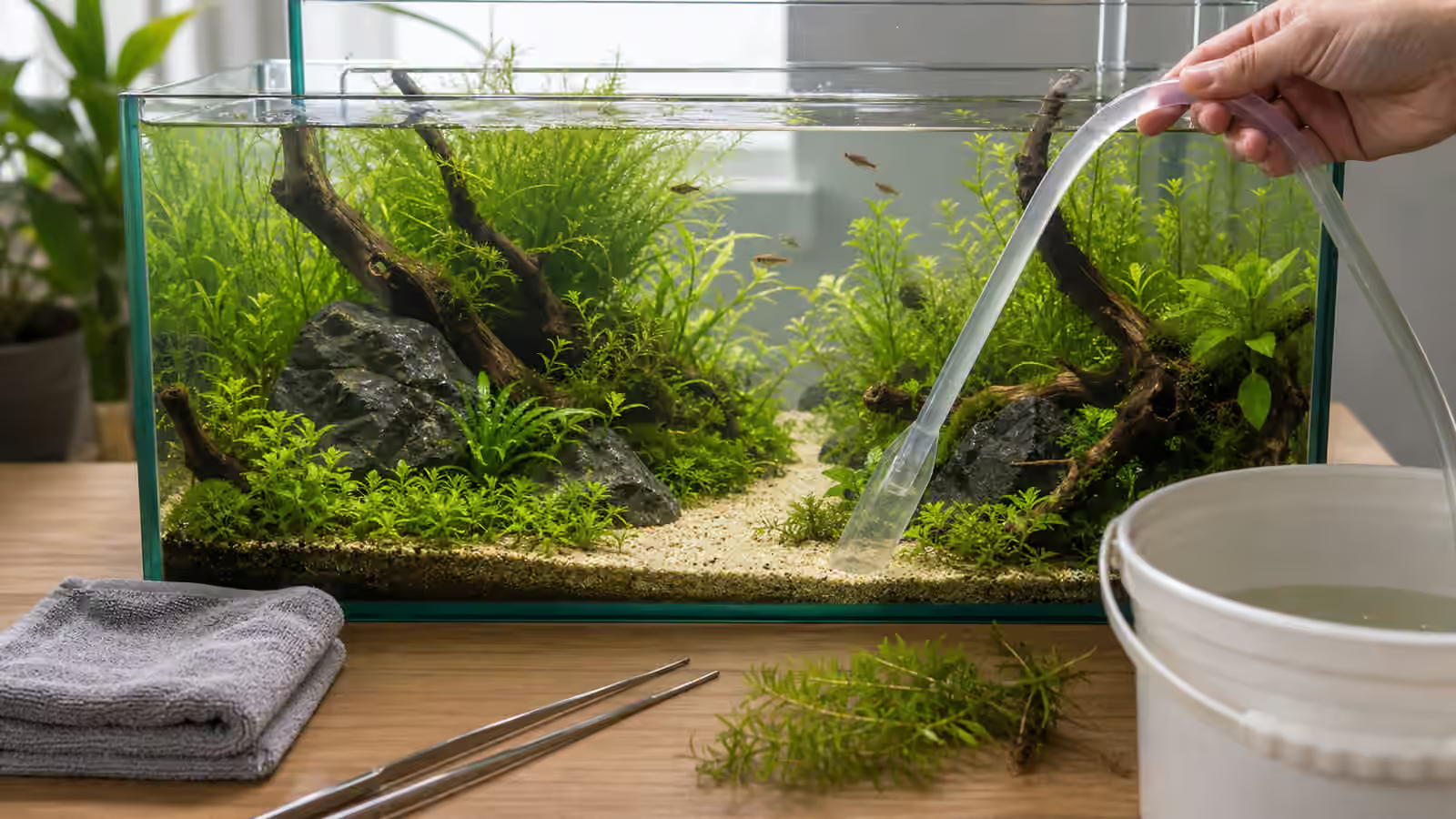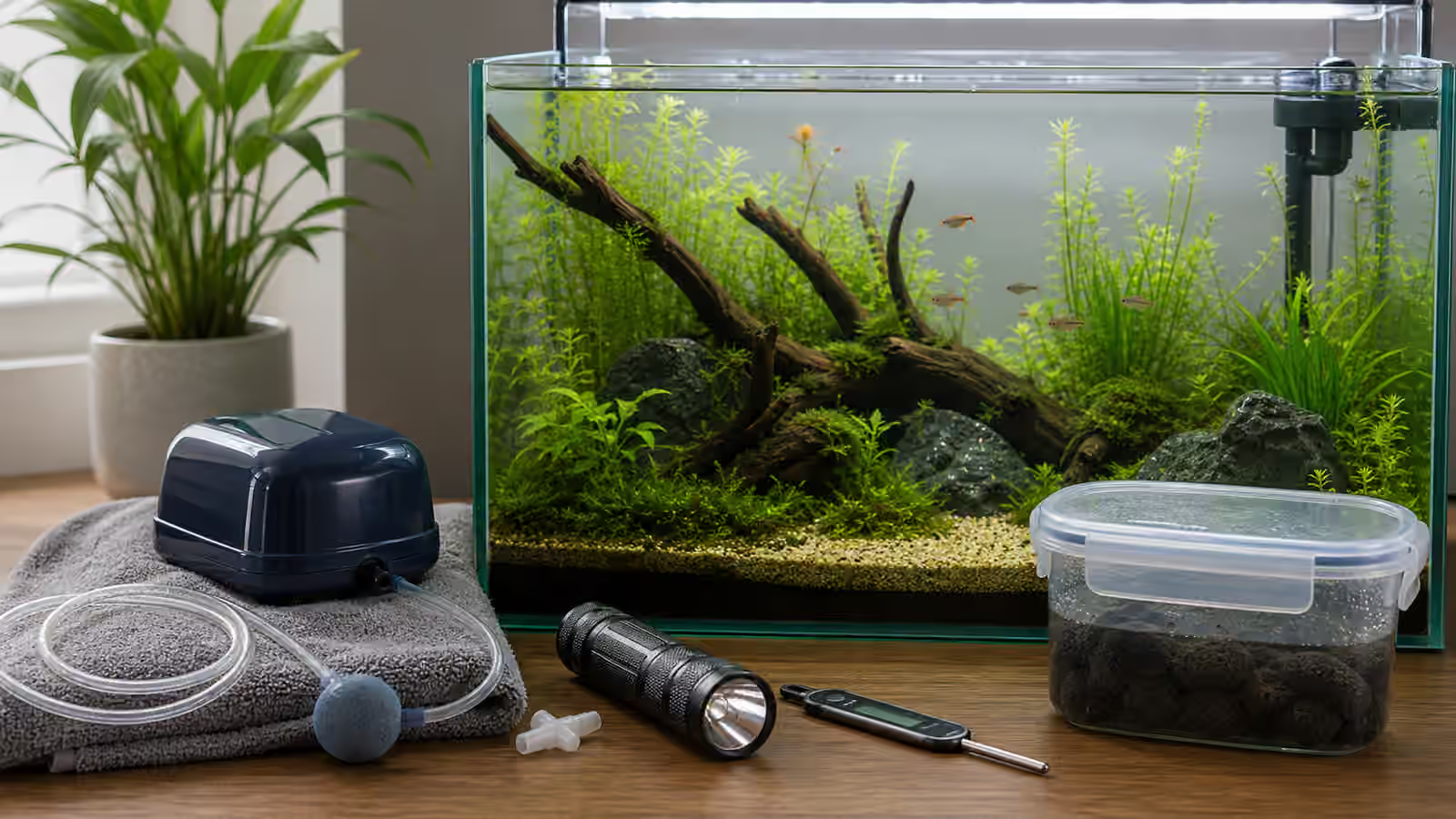
Cleaning a planted aquarium is not the same as making it sterile. A healthy tank contains biofilm, bacteria, plant roots, grazing surfaces, and settled material that should not all be scrubbed away at once. The job is to keep glass readable, equipment functional, tools clean enough for safe use, and debris from building into a water-quality problem. That requires different habits from ordinary household cleaning.
The most important habit is separation. Aquarium tools should be aquarium-only. A sponge that once touched dish soap, a bucket used for floor cleaner, or a brush stored under a sink can bring residues into a small volume of water. Even when a tool looks clean, the risk is not worth the convenience. Dedicated tools make maintenance simpler because you do not have to remember their household history.
Clean The Viewing Glass With Context
Front glass algae is often treated as an eyesore, but it is also information. A light film near the brightest side of the tank may suggest normal growth between maintenance days. Fast recurring green dust can point toward light duration, nutrient imbalance, or low plant competition. Brown film in a newer tank may fit the early diatom pattern described in Diatoms, Hair Algae, and Black Beard Algae . Cleaning removes the symptom from the glass, but the pattern still deserves attention.
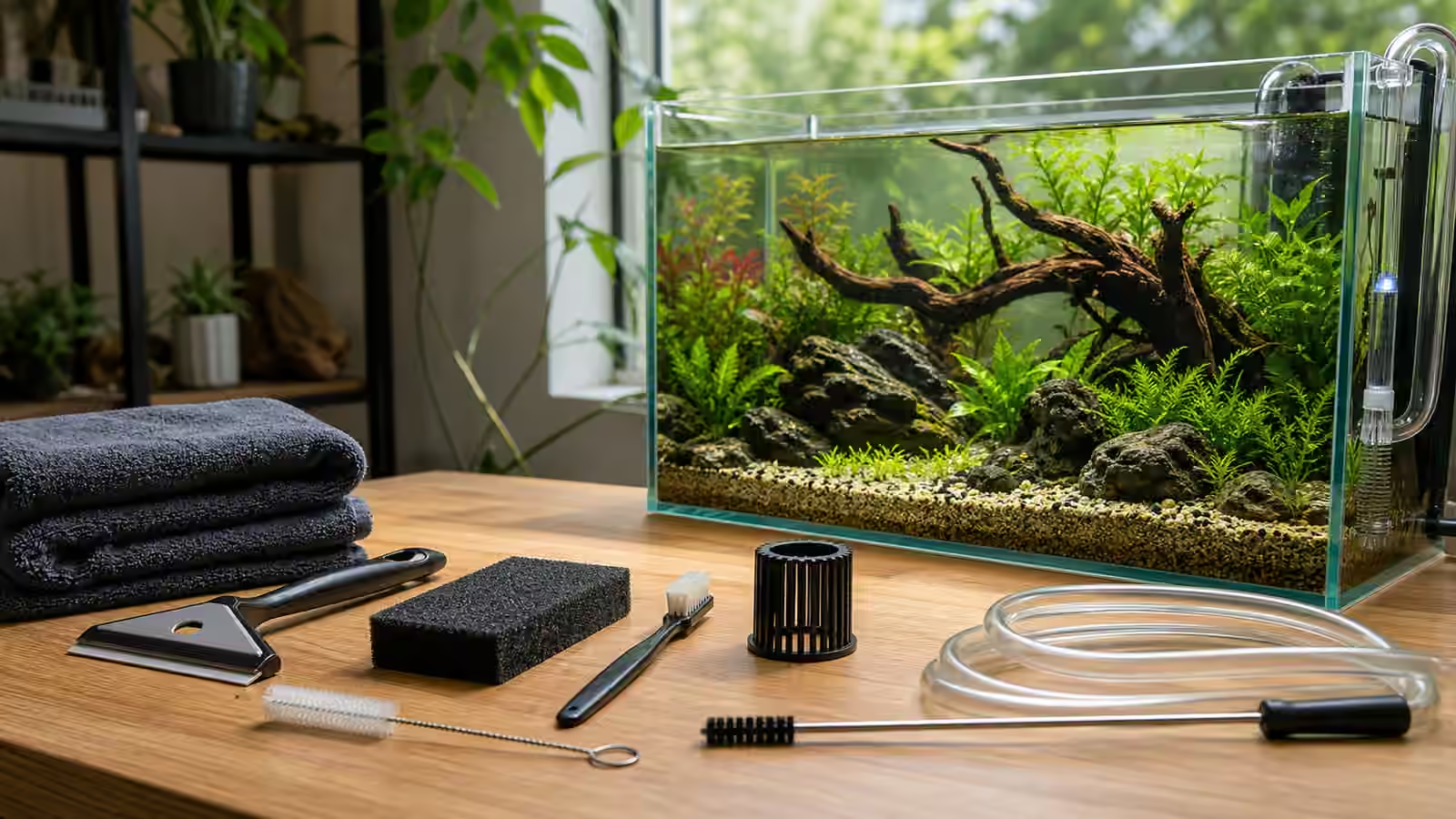
Use the gentlest tool that works. Soft pads can handle light film. Scrapers can handle tougher spots. Magnetic cleaners are convenient, but trapped sand or grit can scratch glass badly, especially near the substrate line. Acrylic tanks need tools made for acrylic because glass tools can damage them. Before each pass near the bottom, check that the pad or blade has not picked up substrate.
Clean in a way that preserves visibility and animal calm. Slow strokes are usually better than frantic scraping. Avoid pinning small animals against the glass with magnets or pads. If fish or shrimp are feeding at the front, give them time to move. The tank does not benefit from a clean pane if the cleaning method creates panic every week.
Tools Need Their Own Maintenance
Scissors, tweezers, siphons, algae pads, nets, buckets, and brushes accumulate plant sap, biofilm, mineral residue, and debris. Rinse them after use and let them dry where household cleaners will not drip or spray onto them. A wet net left in a closed cabinet can smell sour. A siphon with old water trapped in the hose can become unpleasant. A blade left damp may corrode or become unsafe to handle.
Drying is underrated. Many problems with tools come from storing them wet, dirty, and tangled. Hang tubing so water can drain. Open buckets before stacking if they are still damp. Keep sharp aquascaping tools capped or stored away from children and pets. Label aquarium buckets clearly if there is any chance they might be borrowed for household chores.
This is not about perfection. It is about making the next maintenance day easier and safer. A clean siphon starts faster. A known aquarium-only towel is ready for spills. A scraper with a good blade takes fewer passes. A tidy tool set reduces the temptation to grab the nearest kitchen sponge.
Equipment Cleaning Should Preserve Function
Filter intakes, sponge guards, outlets, tubing, spray bars, and impeller covers can clog gradually. Flow drops, surface movement changes, debris collects, and oxygen exchange may suffer. Cleaning equipment restores function, but aggressive cleaning can remove too much beneficial bacterial surface or damage parts. The right approach depends on the equipment and the problem.
A prefilter sponge loaded with debris may need a gentle squeeze in removed tank water. A clogged intake guard may need brushing. Tubing may need a tubing brush when flow weakens. An impeller well may need careful removal of grit or plant strands. Follow the equipment design instead of forcing parts apart. If a part is brittle, cracked, hot, noisy, or leaking, cleaning may not be the repair it needs.
Do not combine every disturbance on the same day unless there is a real reason. Deep substrate cleaning, major trimming, large water changes, filter media replacement, and equipment scrubbing all affect the system. Maintenance Day Checklist encourages an order because order prevents accidental overcleaning. A planted tank usually responds better to regular modest care than occasional heroic scrubbing.
Mineral Scale And The Outside Of The Tank
Hard water can leave white mineral deposits near lids, rims, outlets, and evaporation lines. These deposits are not the same as algae, and they often need a different approach. Wiping the outside of glass with a damp aquarium towel may be enough when scale is light. Removable parts can sometimes be cleaned away from the tank with aquarium-appropriate methods, then rinsed thoroughly and dried before returning. The key is to keep cleaning agents out of the aquarium water.
Top-off habits affect scale. Evaporation leaves minerals behind, so only replacing evaporated water without regular water changes can concentrate minerals over time. Evaporation, Top-Off, and Minerals covers that distinction. Cleaning the mineral line improves appearance, but understanding why it forms helps you manage the tank more calmly.
The outside glass also deserves care. Spraying household glass cleaner near an open aquarium is a poor habit because mist can drift. Spray a cloth away from the tank if you must clean surrounding furniture or exterior surfaces, and keep products away from lids, feeding openings, and tools. Plain water and a clean dedicated cloth solve more aquarium-adjacent cleaning than people expect.
Siphons, Buckets, And Cross-Contamination
Water-change tools touch old tank water, replacement water, floors, sinks, towels, and sometimes multiple aquariums. That makes them easy places for cross-contamination. If you keep more than one tank, think about whether nets, siphons, and buckets should be shared. A tank with sick animals or an unknown problem should not donate wet tools to a healthy tank without careful cleaning and drying.
For a single tank, the larger risk is household contamination. Keep the aquarium bucket out of cleaning closets. Do not use it for laundry soaking, mopping, car washing, or plant fertilizers. Do not rinse tools in a sink full of dish soap residue and then put them straight into the tank. The water volume in a nano tank is small enough that small mistakes can matter.
A tool routine does not need to be fancy. Rinse, inspect, drain, dry, and store. If a tool smells wrong, looks degraded, or has touched something questionable, replace it or keep it away from the aquarium until you can make a careful decision. Cheap tools are not worth gambling with livestock.
Clean Enough, Not Stripped Bare
The planted tank should not be stripped of every surface film. Shrimp graze biofilm. Snails browse surfaces. Beneficial bacteria live on media, hardscape, substrate, and plant surfaces. Overcleaning can make the tank look bright for a day while reducing the stable surfaces that help it function. Under-cleaning can clog equipment and let waste hide. The useful middle is targeted cleaning.
Targeted cleaning asks what is interfering with the tank. Is the glass hard to view through? Is the intake slowing? Is the outlet pattern weaker? Is debris collecting where animals feed? Is mineral scale preventing a lid from sitting correctly? Clean that problem, then stop. The restraint is deliberate. It leaves the tank’s living surfaces intact while keeping equipment and viewing areas usable.
This is where observation becomes maintenance. A tank cleaned the same way every week without looking can still drift into trouble. A tank observed first will tell you whether this week needs glass work, filter attention, trimming, tool cleaning, or simply a normal water change. Clean tools support that judgment. They do not replace it.