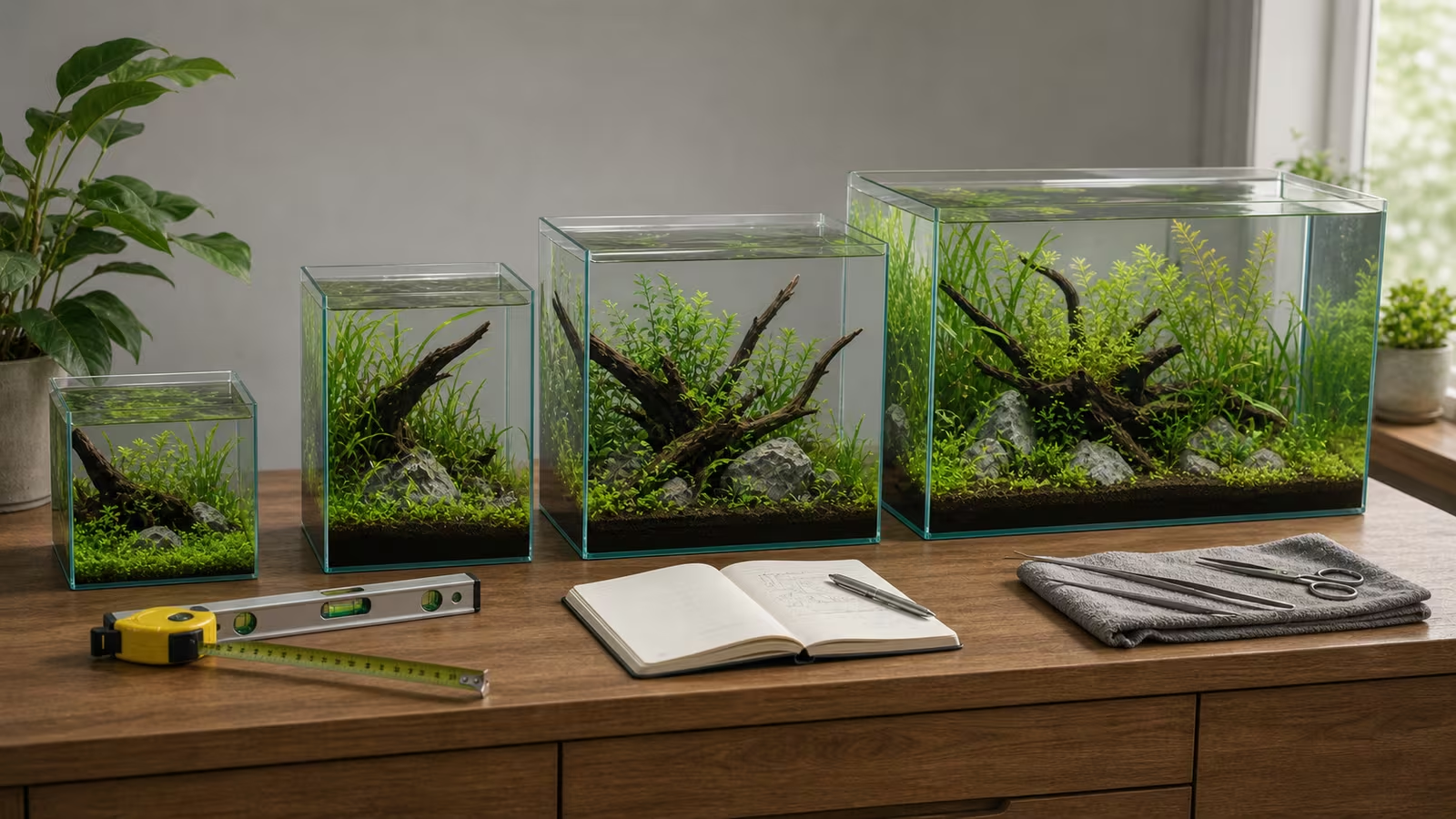
Tank size decides more than the look of an aquascape. It shapes water stability, stocking options, plant layout, equipment choices, water-change effort, filled weight, and where the tank can safely sit. A tank that is too small for the desired animals is not solved by plants. A tank that is too large for your floor, stand, lease, or maintenance routine can become a home problem instead of a hobby.
Start by separating three questions: what size can the room support, what size can you maintain, and what size can ethically house the animals you want. The right answer is where those three overlap.
Footprint Matters
A long tank and a tall tank can hold similar water volumes while offering very different lives for animals and very different layouts for plants. Many small fish use horizontal swimming space. Many aquascapes need foreground, midground, and background depth. A tall narrow tank can look elegant, but it may be harder to light evenly, plant comfortably, and maintain without wet sleeves.
The displayed gallon or liter rating is also not the final water volume. Substrate, stone, wood, and equipment displace water. Heavy rock adds weight. A cabinet full of buckets, tools, and supplies adds more. Think in filled system weight, not empty glass weight.
Sizing Criteria
| Criterion | What To Check |
|---|---|
| Stand and floor | Filled tank, substrate, hardscape, equipment, cabinet contents, and level surface. |
| Maintenance access | Can you reach the back, trim plants, remove equipment, and siphon safely? |
| Water stability | Larger volumes usually buffer temperature and chemistry swings better. |
| Livestock plan | Adult size, group size, swimming style, territory, and temperature. |
| Aquascape plan | Room for slope, hardscape, plant growth, open water, and cleaning lanes. |
Practical Beginner Advice
Choose the largest tank you can safely support, maintain, and afford, but not a tank so large that water changes become a dreaded event. If the tank is for fish, research fish first. If the tank is for shrimp, research stability and minerals first. If the tank is plants-only, you still need light, filtration or circulation, and water care.
Common Mistakes
- Choosing by empty-tank price instead of filled-system cost.
- Forgetting the stand, mat, level, outlet, drip loop, and spill route.
- Buying active schooling fish for a short tank.
- Assuming a tiny tank is easier for children or beginners.
- Building a scape so full that animals have no usable space.
Related Fondsites Path
- Tank Size Reality Check for a quick planning calculation.
- Pawstead for animal welfare thinking across species.
- Keepers Guild for furniture, repair, and household risk boundaries.
- Clear Water Lab for water-source evidence.
Try This Next
Write down the desired animals before buying the tank. If the adult group needs more room than your planned tank provides, change the animal plan or choose a larger tank. Do not make animals adapt to a decorative footprint.