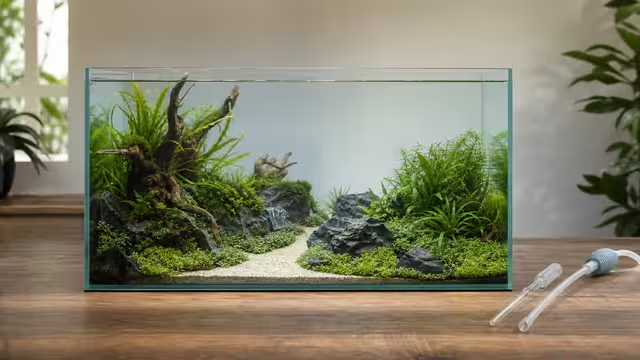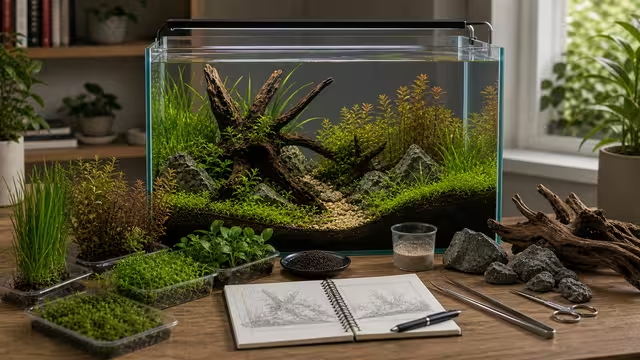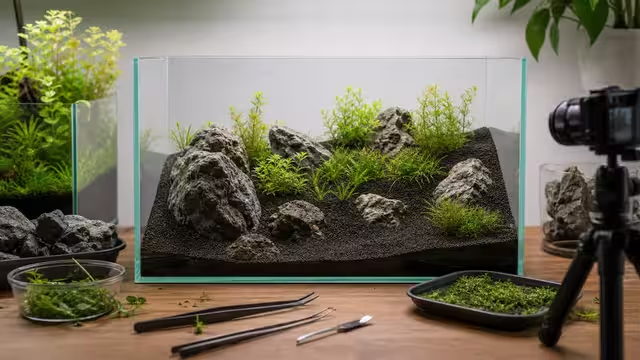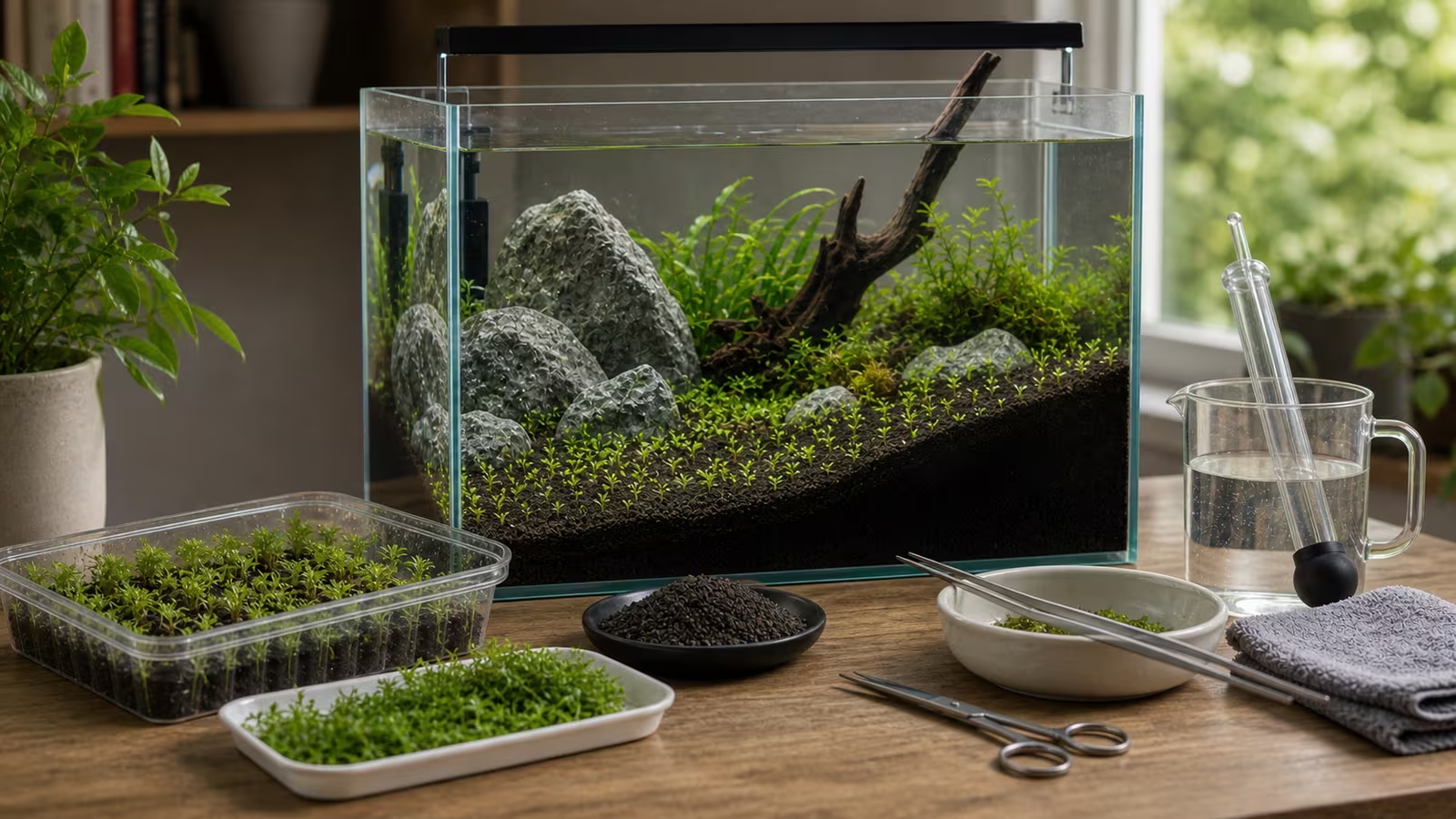
Carpeting plants are one of the most tempting aquascape purchases. A green foreground makes a small tank look like a miniature meadow. The reality is that many carpets need stronger light, steady nutrients, careful planting, good flow, and often CO2 to stay compact and healthy.
That does not mean beginners can never try them. It means a carpet should be chosen with the full system in mind, not as an afterthought added to a low-light tank.
Why Carpets Are Demanding
Foreground plants sit farthest from the light after water depth, surface cover, hardscape shadows, and floating plants reduce intensity. They must spread horizontally instead of reaching upward. If light is weak, stems may stretch. If nutrients or CO2 are inconsistent, leaves can yellow, melt, or collect algae.
Carpets also trap debris. Fish food, mulm, and dying leaves can settle into dense growth where they are hard to remove. A carpet that looks clean from the front may need gentle maintenance to avoid decay underneath.
Common Carpet Choices
| Plant Type | Beginner Reality |
|---|---|
| Monte Carlo | More forgiving than some carpets, but still benefits from strong light and CO2. |
| Dwarf hairgrass | Attractive but can collect debris and may struggle in low light. |
| Dwarf baby tears | Often demanding and usually not a casual low-tech choice. |
| Marsilea | Slower and sometimes more forgiving, but patience is required. |
Lower-Pressure Alternatives
You can create a foreground without a full carpet. Use small crypts, moss on flat stones, scattered low plants, open sand, leaf litter where appropriate, or a path of visible substrate. Negative space often makes a small aquascape look cleaner than a weak carpet.
Common Mistakes
- Buying carpeting plants before choosing light.
- Planting one clump and expecting fast coverage.
- Letting floaters shade the foreground.
- Adding bottom-digging livestock that uproot new plantings.
- Refusing to trim until the lower layer decays.
Related Fondsites Path
- CO2 Versus Low-Tech Planted Tanks for the equipment decision.
- Light Balance for Aquatic Plants for foreground light.
- Aquascape Composition Rules for alternatives to a solid carpet.
Try This Next
Before buying a carpet, choose the exact plant, light, substrate, and trimming plan. If any part is vague, design a foreground that looks intentional without depending on perfect carpet growth.