New planted aquariums often grow things the aquarist did not deliberately plant. One of the most common is a pale, translucent, cottony, or slippery film on new driftwood, stones, suction cups, plant leaves, or substrate. It can look like proof that something has gone wrong. In many young tanks, it is simply biofilm finding food on fresh surfaces.
Biofilm is a community of microorganisms living on a surface. In an aquarium, it can develop where wood releases organic material, where old plant tissue softens, where food is left behind, or where flow is weak. Some biofilm is part of an establishing system. Excess biofilm, persistent decay, or film paired with bad water tests deserves attention. The skill is learning to respond without turning every new surface into an emergency reset.
Why New Hardscape Grows Film
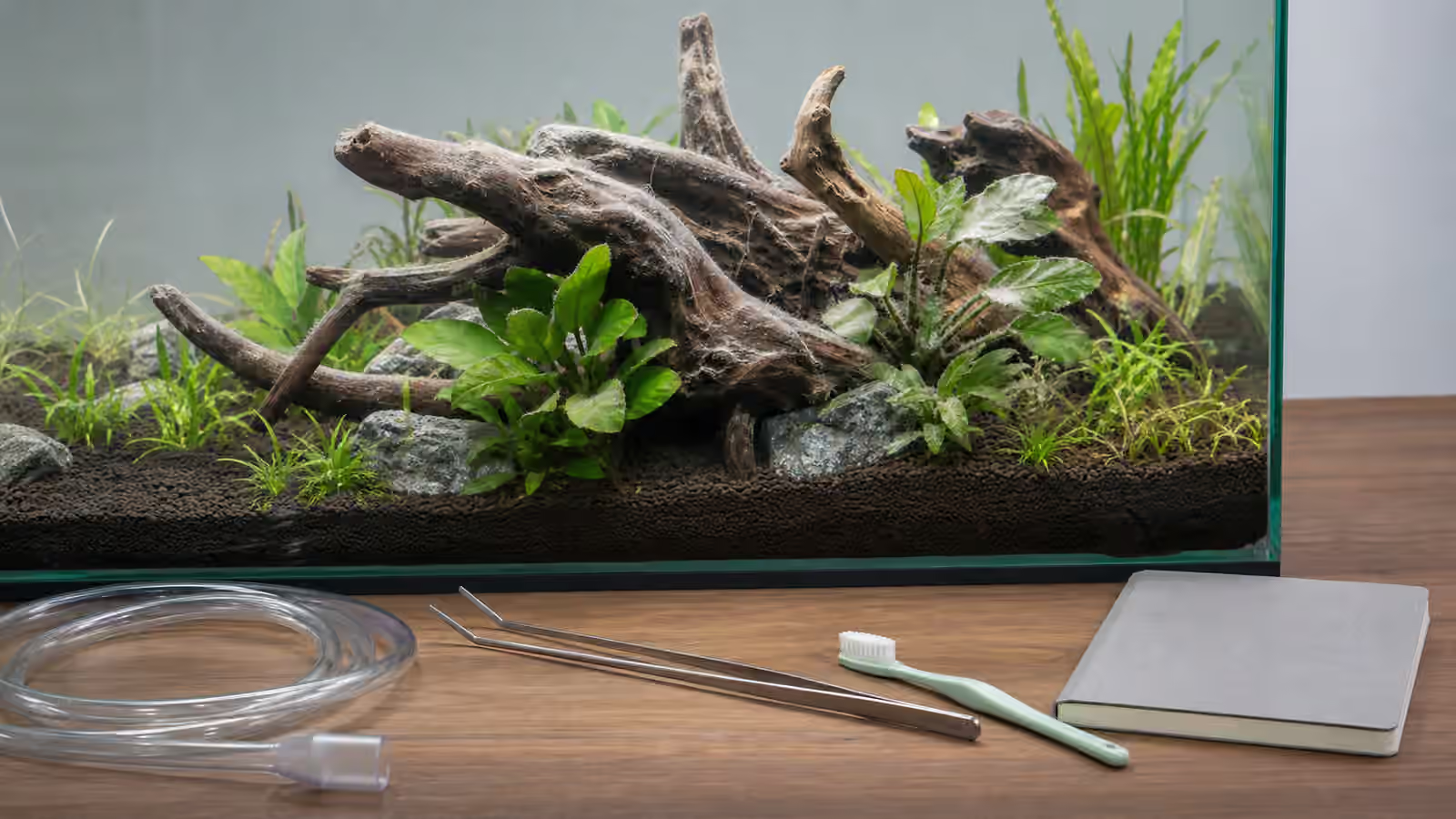
Fresh driftwood is the classic biofilm surface because wood contains organic compounds that bacteria and fungi can use. Even well-prepared wood may release material after it is submerged. A whitish film can appear in patches, especially on cut surfaces, soft pockets, or shaded areas with gentle flow. That film may loosen, get eaten by some animals, or fade as the easiest food source is consumed.
Stone can also collect biofilm, though the cause may be less about the stone itself and more about dust, handling residue, trapped plant decay, or low-flow surfaces. Suction cups, tubing, heater guards, and filter parts can grow a slick layer because every submerged surface eventually becomes part of the aquarium. Plant leaves can carry biofilm when they are melting, damaged, or shaded.
This is different from saying every film is harmless. A decaying piece of wood that stays mushy, smells rotten, or falls apart in the tank can pollute water. A plant crown turning to slime is a plant health problem, not just a surface film. Driftwood Tannins and Prep is useful before setup because preparation lowers the odds of surprises, even though it cannot make natural material completely inert.
Read The Whole Tank, Not One Patch
The first question is not whether biofilm looks ugly. It is what the rest of the tank is telling you. Are ammonia and nitrite under control for the tank’s stage? Is there a dead plant pocket behind the wood? Is food being overfed? Is the filter moving water through the area? Are animals gasping, hiding unusually, or showing signs that need experienced help? A patch of film on new wood in an otherwise stable cycling tank means something different from film spreading across decaying plants in a stocked tank.
Water Testing for Aquascapes gives the evidence side of the answer. Clear water and visible film can coexist. Cloudy water and invisible waste can also coexist. Do not use appearance alone as the whole diagnosis. Test when the tank is new, after major changes, and whenever animals behave differently.
Age matters too. Film that appears shortly after wood is submerged and then gradually fades is common. Film that returns aggressively after every cleaning may point to ongoing excess food, decaying material, or a dead zone. Film that turns into green threads, dark brushy patches, or dusty brown coatings may be moving into algae territory, where Diatoms, Hair Algae, and Black Beard Algae is the more relevant guide.
Gentle Removal Is Usually Enough
If the film is moderate and the tank is otherwise stable, removal can be simple. During a water change, use a siphon to lift loose strands. A soft toothbrush, plant-safe brush, or fingers can loosen film from wood while the siphon removes it. Tweezers can pull clumps from narrow branches. Work gently so you do not uproot plants, collapse substrate slopes, or turn a small cosmetic issue into a cloudy mess.
Do not scrub every surface sterile. A planted aquarium is not a surgical tray. Beneficial bacteria and surface life are part of the system. The goal is to remove excess material that is unsightly, decaying, or trapping debris, while leaving the tank stable. Over-cleaning filter media, replacing all water, and tearing apart the scape can set back the very biology that would have helped the tank mature.
If biofilm is attached to melting leaves, trim the failing leaves rather than polishing them. If it is around food, reduce feeding and remove leftovers. If it gathers in one dead corner, adjust flow. Filter Flow and Surface Agitation helps because a film problem often reveals water movement more clearly than the aquarist expected.
Animals Are Not A Cleanup Plan
Snails, shrimp, and some fish may graze on biofilm. That does not make them a disposal product. Adding animals to a tank because it looks slimy can be unfair if the tank is not cycled, not stable, or not suited to their needs. A new aquascape should not use livestock as a substitute for patience and maintenance.
If the tank is already mature and properly stocked, normal grazing may help keep surfaces tidy. Even then, animals cannot fix ongoing overfeeding, rotting plants, or unsuitable wood. Cleanup Crew Expectations in Planted Tanks explains why every animal in the tank should be chosen as a resident with full care needs, not as a tool assigned to a mess.
Shrimp keepers in particular may see biofilm as food, and there is truth in that. Biofilm is part of what many shrimp graze. The boundary is stability. A shrimp tank still needs cycled water, safe intake protection, appropriate parameters, and careful feeding. Shrimp Tank Basics should come before any plan that depends on shrimp to tidy new surfaces.
Biofilm, Cycling, And Patience
Biofilm often appears during the same period when the tank is cycling, plants are transitioning, and the aquarist is still learning the routine. That overlap can make the tank feel chaotic. The answer is not to chase a perfectly clean surface every day. The answer is to keep the core routine boring: test when needed, change water sensibly, remove obvious decay, avoid overfeeding, and give the biological filter time to develop.
Cycling a Planted Aquarium Before Animals explains why new tanks are biologically unfinished even when they look arranged. Biofilm is one visible sign of that unfinished state. It may not be the sign you wanted, but it is information.
Plants help when they are healthy and actively growing. They do not help much when they are melting into the substrate. Remove the worst decay and protect new growth. Emersed-Grown Aquarium Plants and the Transition to Water can help separate normal plant adjustment from rot that should be removed.
When To Escalate
Escalation is appropriate when film is paired with poor water tests, animal distress, strong foul odor, rapidly decaying hardscape, repeated cloudy water, or a mystery you cannot identify. Do not add chemicals because a search result promised a clean look. Do not mix treatments casually in a stocked tank. If animals are sick or dying, use experienced local help or an aquatic veterinarian where available. When To Call a Specialist exists because some problems get worse when every response is guesswork.
Most early biofilm does not need drama. It needs observation, gentle removal, and a stable tank. The aquarist’s job is not to prevent every surface from becoming alive. It is to guide the aquarium toward a balance where plants grow, animals are cared for, and new materials settle into the system without turning maintenance into a weekly rebuild.