Bettas are often sold as if they are decor. A planted tank can give a betta cover, resting places, surface access, and enrichment, but only if the aquarium is planned for the fish rather than the photo.
A kind betta setup starts with heated, stable, cycled water and enough room to swim. Plants are a benefit, not a replacement for the basics.
What Plants Add
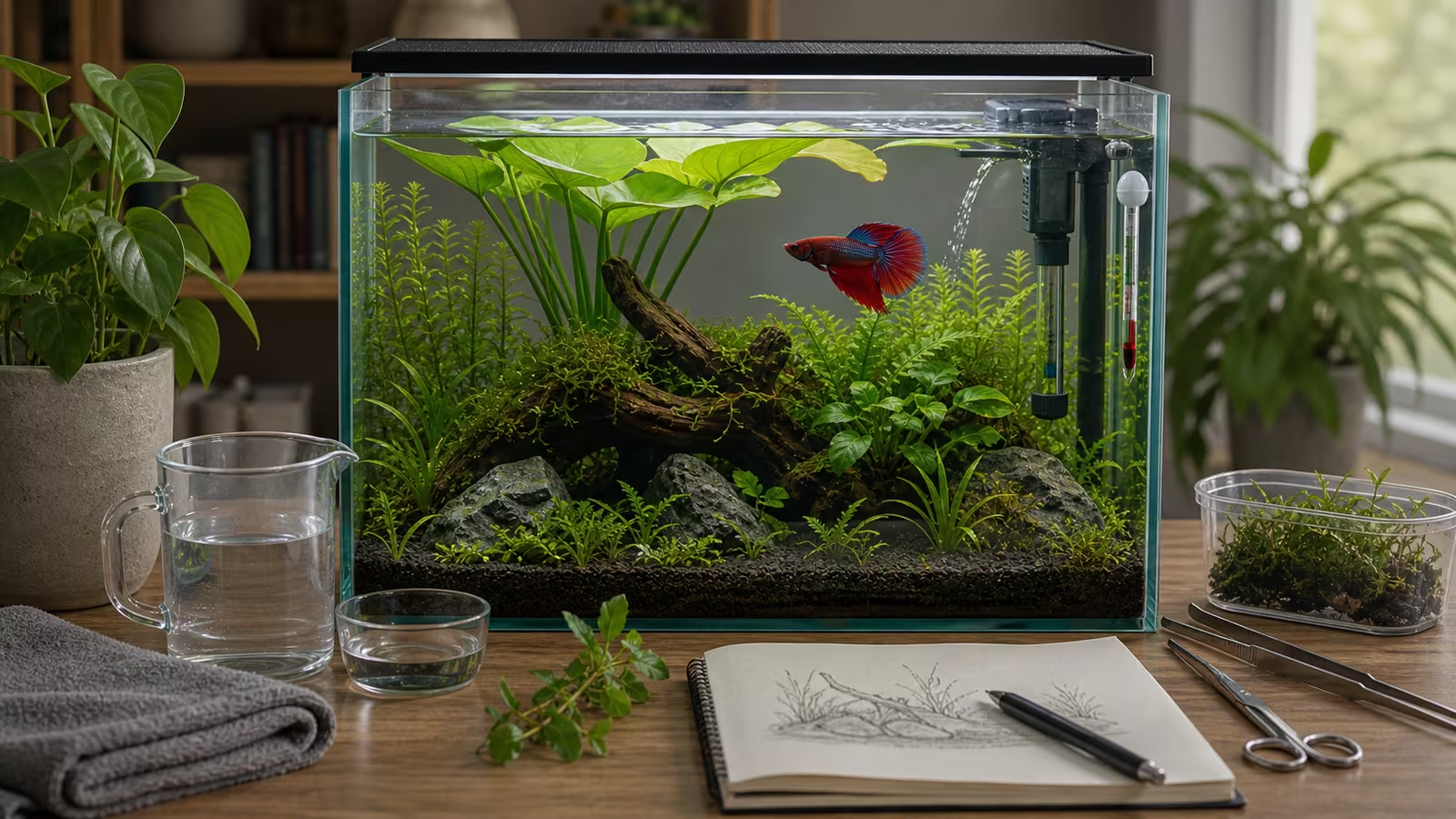
Broad leaves near the surface can act as resting places. Floating plants can soften light, if surface access remains open. Stem plants and crypts create visual barriers. Moss and epiphytes add exploration surfaces without filling all swimming space.
The plants should not turn the tank into a maze with no open water. Bettas still need room to move and reach the surface easily.
Equipment Fit
Gentle filtration matters because long-finned bettas can tire in strong current. A heater and thermometer are usually needed where room temperature is not consistently suitable. Intakes should be safe, decor should not tear fins, and lids may be needed because bettas can jump.
Tankmates Are Not Automatic
Some bettas tolerate certain tankmates; others do not. Shrimp may be eaten. Fin-nipping fish are a problem. Small tanks leave fewer options and less room for animals to avoid each other. A peaceful photo online does not guarantee your fish’s temperament.
Common Mistakes
- Treating plants as proof the tank is ethical.
- Using sharp plastic or rough stone with long fins.
- Adding tankmates to a small tank for human entertainment.
- Ignoring heater and thermometer needs.
- Blocking surface access with floaters.
Related Fondsites Path
- Choose Tank Size for room and stability.
- Filter Flow and Surface Agitation for gentle movement.
- Stocking Caution for Small Tanks for tankmate restraint.
Try This Next
Before buying a betta, sketch the tank from the side. Mark heater, filter, open swimming room, surface resting places, and any tankmate plan. If the fish is an afterthought, redesign.