The easiest aquarium plants are not always the cheapest, fastest, or most dramatic. A good beginner plant survives normal learning curves: missed trims, moderate light, plain hardscape, small fertilizer mistakes, and a tank that is still settling.
Start with plants that match your equipment. If the tank has modest light and no CO2, choose plants that are known to grow in those conditions. If the tank is tiny, avoid plants that will immediately outgrow the layout or shade everything below.
Reliable First Choices
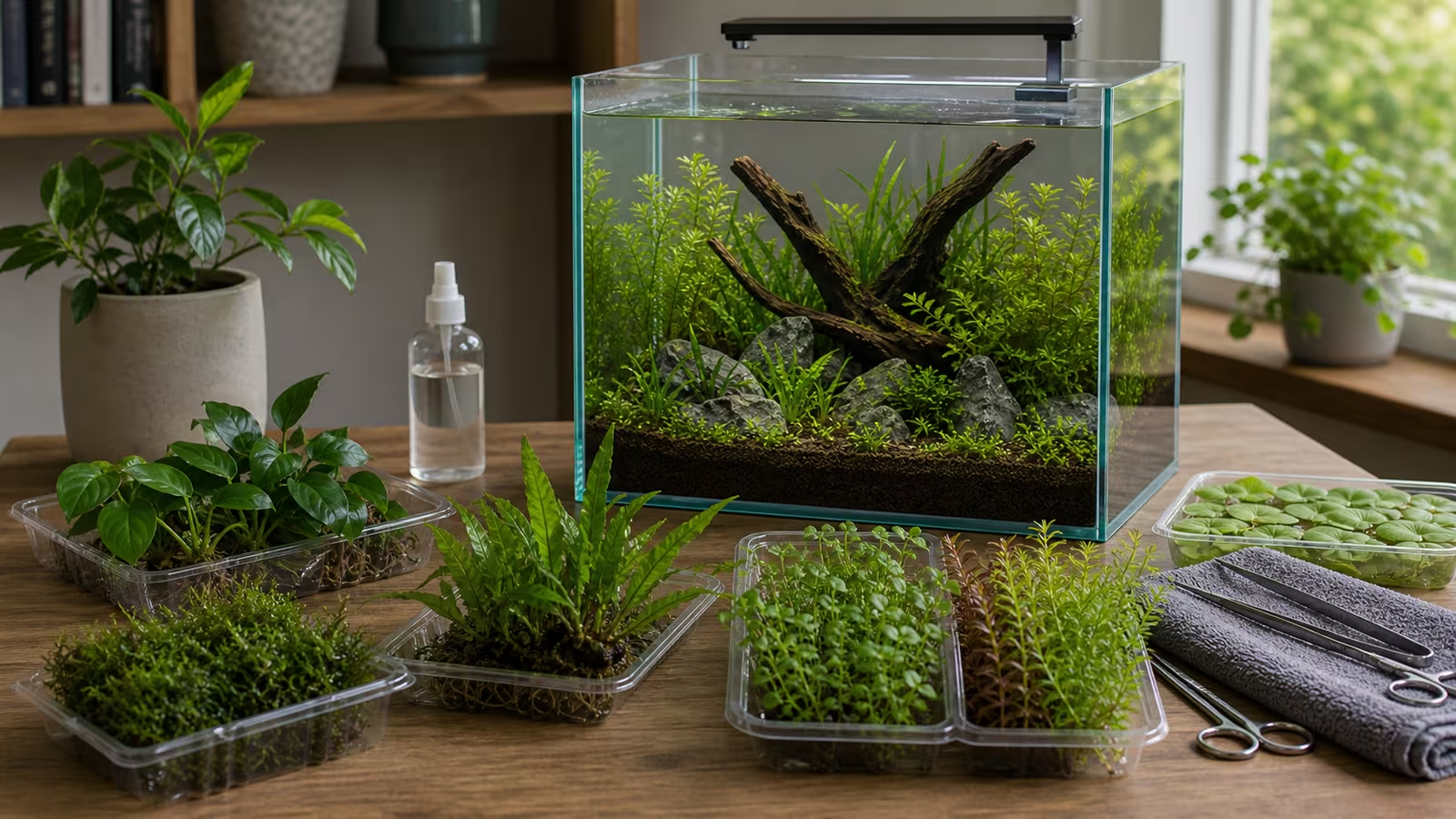
Anubias and Java fern attach to wood or rock and do not need to be buried. Mosses can soften hardscape and provide grazing surfaces for shrimp. Crypts are slower rooted plants that may melt after planting but often recover from the roots. Floating plants can absorb nutrients quickly, though they must be controlled so they do not block all light.
Undemanding stems can also help because they grow fast and compete with algae. They need trimming, but they make the tank feel alive while slower plants settle.
Match Plant To Place
| Area | Beginner-Friendly Options |
|---|---|
| Hardscape | Anubias, Java fern, Bucephalandra if budget allows, moss |
| Midground | Crypts, small swords with enough room, compact stems |
| Background | Fast stems, taller crypts, Vallisneria where legal and suitable |
| Surface | Floaters managed with a ring or open feeding area |
What To Avoid At First
Some plants are sold as easy but need stronger light, CO2, soft water, frequent trimming, or careful nutrition. Carpeting plants are a common example. Red plants can be possible, but many beginners buy them before the tank can support color and compact growth.
Also avoid non-aquatic houseplants sold for aquariums. They may survive submerged for a while and then rot, polluting the tank.
Common Mistakes
- Burying rhizomes on Anubias or Java fern.
- Buying one tiny plant and expecting it to outcompete algae.
- Choosing plants only from a social-media photo.
- Letting floaters block every surface opening.
- Throwing away crypts during normal transition melt.
Related Fondsites Path
- Epiphyte Plants: Anubias and Java Fern for hardscape plants.
- Carpeting Plants Reality Check before buying a foreground carpet.
- Houseplant Clinic for the habit of reading plants from patterns, not panic.
Try This Next
Build a first plant list with at least one slow hardscape plant, one rooted plant, and one fast nutrient competitor. Then check whether each plant fits your light, tank size, and local rules.